As an Amazon Associate, we earn from qualifying purchases. Some links on this site are affiliate links at no extra cost to you. Our recommendations are based on thorough research and editorial judgment.


Recognizing and Treating Tennis Elbow

Tennis elbow, or lateral epicondylitis, causes pain on the outer elbow from repetitive arm motions. Symptoms include tenderness, weakened grip strength, and discomfort during twisting movements. Diagnosis involves physical examination and imaging tests. Treatment includes rest, ice therapy, anti-inflammatory medications, and physical therapy exercises focusing on stretching and strengthening. Bracing and corticosteroid injections may provide relief. Severe cases might require platelet-rich plasma therapy or surgery. Prevention involves proper technique, equipment adjustments, and gradual activity increases. Most cases resolve with conservative treatment within 6-12 months.
# Recognizing and Treating Tennis Elbow
Tennis elbow, or lateral epicondylitis, is marked by pain on the outer elbow, often from overuse. Common in those aged 30-60, it stems from repetitive motions, particularly in sports or occupations. Key symptoms include localized tenderness and reduced grip strength. Treatment generally begins with rest, bracing, and NSAIDs like ibuprofen (200-400 mg every 4-6 hours). When conservative methods fail for six months, surgery offers an 80-90% success rate. Discover further insights on effective management strategies.
Key Takeaways
- Tennis elbow is characterized by outer elbow pain and grip weakness, often due to repetitive motions or improper technique.
- Symptoms include localized tenderness at the lateral epicondyle and discomfort with pressure or resisted wrist movements.
- Initial treatment focuses on rest, bracing, NSAIDs, and ergonomic adjustments to minimize strain on the elbow.
- Rehabilitation involves targeted stretching and strengthening exercises, with a program lasting 6 to 12 weeks for optimal recovery.
- If symptoms persist after six months of conservative treatment, consider surgery, which has an 80-90% success rate.
Understanding Tennis Elbow
Tennis elbow, or lateral epicondylitis, is a common condition affecting many individuals, often unrelated to tennis. It results from overuse of the forearm muscles that attach to the lateral epicondyle of the humerus. This area is essential in elbow anatomy, as it serves as the attachment point for tendons that facilitate movement. Tendon health is important, as the condition can lead to degeneration, microtearing, or inflammation of these tendons. Pain typically manifests on the outer elbow, sometimes radiating to the forearm or wrist, and may cause grip weakness. Most cases affect the dominant arm due to repetitive strain. Understanding these factors can help in recognizing the symptoms and seeking appropriate care early on. During recovery and play, wearing moisture-wicking fabrics can help maintain comfort and reduce additional strain on the affected arm.
Common Causes of Tennis Elbow
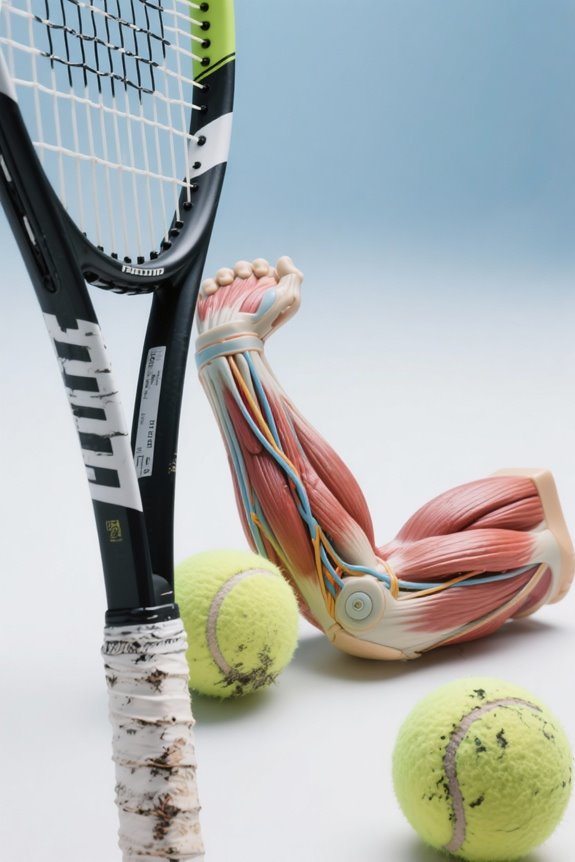
Though often associated with sports, the causes of tennis elbow extend far beyond the tennis court. Common triggers include repetitive motions characteristic of various occupations. Professionals like painters, carpenters, or cooks frequently engage in actions that strain the forearm muscles, leading to microscopic tendon tears. Activities such as typing or using a computer mouse for extended periods can also contribute to tendon stress. Additionally, improper technique in sports or using poorly fitted equipment raises the risk further. Age plays a role, as adults between 30 and 60 experience increased tendon vulnerability. Occupational hazards often overlap with recreational sports, demonstrating how diverse triggers can lead to tennis elbow, impacting individuals across different facets of life. Investing in proper cushioning technologies for athletic footwear can help reduce joint impact and minimize strain during physical activities that contribute to overuse injuries.
Who Is at Risk?
Various groups of people are at a higher risk for developing tennis elbow, often due to their daily activities and lifestyle choices. According to demographic profiles, this condition most frequently affects individuals aged 30 to 50 years, with both males and females equally impacted in some studies. Occupational hazards play a significant role, especially for manual laborers engaged in agricultural work or trades like plumbing and carpentry, where repetitive arm use prevails. Employees lifting heavy loads, roughly over 20 kg, also face increased risks. Additionally, activities like racquet sports contribute to this condition, with improper technique exacerbating the strain on the forearm muscles. Lifestyle factors, including obesity and smoking, further elevate vulnerability to developing tennis elbow. For those experiencing symptoms, using supportive elbow braces can help alleviate pain and provide stability during daily activities and sports participation.
Identifying Symptoms
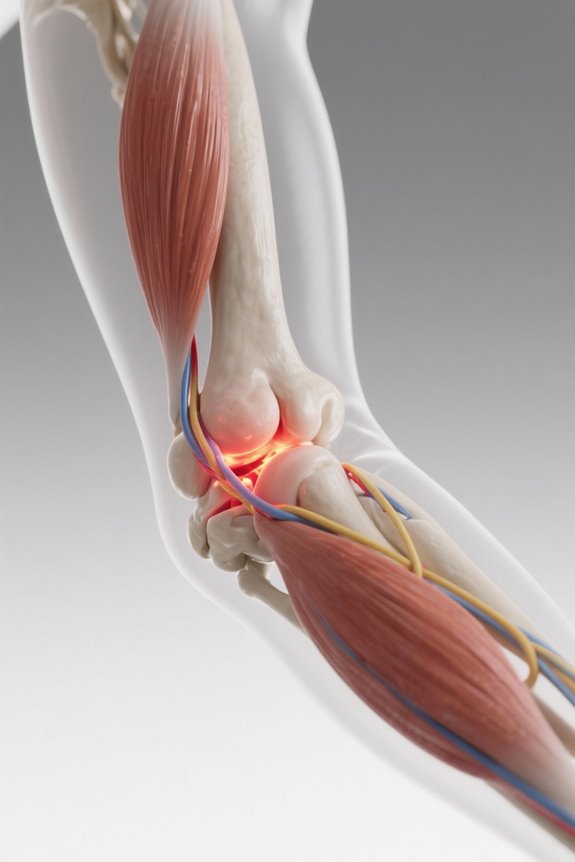
Identifying the symptoms of tennis elbow is essential for anyone who suspects they might be affected by this condition. Key signs include localized tenderness at the lateral epicondyle, where the common extensor tendons attach. Patients often experience increased discomfort with direct pressure on this area. Additionally, reduced grip strength can make everyday tasks challenging, such as shaking hands or using tools. Pain frequently arises during resisted wrist or finger movements, and may worsen with repetitive actions. While forearm muscle tightness is common, some individuals report less typical symptoms like tingling. For effective symptom recognition, careful attention to these signs can help in obtaining timely treatment and a faster return to regular activities. Using supportive equipment such as wrist compression straps can help alleviate pain during recovery and prevent further strain during activities that stress the wrist and forearm.
Pain Location and Intensity
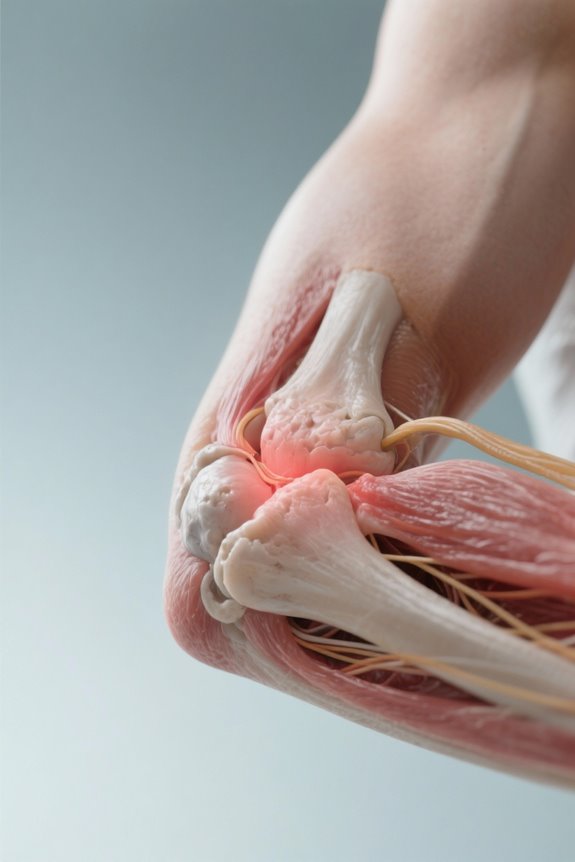
When experiencing tennis elbow, pain typically manifests on the outer side of the elbow, which is where the tendons connect to the lateral epicondyle. This pain may spread to the upper arm, forearm, or hand, creating specific pain patterns that can be challenging to manage. Movement of the elbow often intensifies discomfort, making daily tasks, like unscrewing a bottle, particularly difficult. Many report a burning sensation in this area, indicating tendon irritation. Significantly, symptoms can worsen at night, disrupting sleep. Strong grip weakness accompanies the condition, affecting overall function. Understanding these pain patterns is essential for effective pain management, allowing individuals to take action toward relief and prevention of further injury. Players experiencing elbow discomfort should ensure proper fit and support in their athletic footwear, as shoes with advanced cushioning technologies like EVA foam can help reduce impact forces that travel up through the arm during play.
Triggers for Tennis Elbow Symptoms
Tennis elbow symptoms often arise from specific movements and activities that place undue strain on the elbow. Common symptom triggers include repetitive activities like gripping small objects, performing wrist extensions, and twisting motions. Sports such as tennis, baseball, and bowling contribute to these strains, with poor technique exacerbating the impact. Professions involving constant manual labor—like plumbing or painting—pose high risks due to excessive repetition. Daily tasks such as typing or using a mouse for over two hours can also lead to discomfort. Poor biomechanics, like an improper grip size, further increase the likelihood of developing symptoms. For pickleball players experiencing elbow pain, selecting paddles with shock absorption technologies and lightweight designs under 8 ounces can significantly reduce arm fatigue and strain. By recognizing these triggers, individuals can better manage their activities to prevent pain associated with tennis elbow.
The Importance of Physical Examination
A thorough physical examination serves as the cornerstone for diagnosing tennis elbow accurately. The physical assessment identifies key signs such as localized pain at the lateral epicondyle during palpation. Provocative tests like Mill’s and Cozen’s tests are essential for diagnostic accuracy, reproducing pain in specific movements. Grip strength assessment further provides insight into the severity of the condition. By comparing affected and non-affected elbows, practitioners can discern asymmetry in tenderness. The importance of a detailed physical exam cannot be overstated; it effectively differentiates tennis elbow from other conditions, such as ligament injuries or nerve compression. Early identification through these methods fosters timely, tailored treatment plans, greatly enhancing the potential for successful recovery. Similar to how adjustable compression straps provide targeted support for knee injuries, properly fitted braces can aid in tennis elbow recovery by delivering consistent pressure to affected tendons.
Diagnostic Imaging and Tests
Diagnostic imaging plays an essential role in the evaluation of tennis elbow, particularly when symptoms do not align with typical presentations. Various imaging modalities are employed, starting with X-rays, which primarily rule out fractures and arthritis, though often appearing normal in classic cases. Ultrasound, a non-invasive diagnostic test, effectively visualizes soft tissue changes, boasting sensitivity rates between 64% and 100%. Conversely, MRI offers detailed insights into tendon pathology, particularly useful for complex situations or surgical planning. Despite their benefits, the accuracy of these imaging techniques can vary, influenced by operator skill and equipment quality. Overall, imaging is an imperative tool in accurately diagnosing tennis elbow, especially in refractory or unusual symptom cases. Similar to how individuals with plantar fasciitis benefit from regular assessment of their condition, patients experiencing persistent tennis elbow symptoms should consult specialists to evaluate whether proper footwear and support modifications might alleviate strain on affected tendons during physical activities.
Assessing Symptoms and Clinical Presentation
When evaluating lateral elbow pain in patients, analyzing symptoms and clinical presentation is essential for accurate diagnosis. Patients typically report localized pain and tenderness at the lateral epicondyle. Symptoms often worsen with wrist extension, gripping, or middle-finger extension, highlighting activity-related aggravation. A thorough patient history may reveal insidious onset linked to repetitive wrist motions. Physical examination reveals maximal tenderness over the elbow and may reproduce pain with resisted wrist extension. Evaluating these factors aids in establishing a differential diagnosis, excluding conditions like nerve entrapment. Effective symptom management is vital, as functional limitations can interfere with daily tasks. During recovery, patients may benefit from supportive equipment such as moisture-wicking wristbands to maintain comfort during therapeutic exercises and gradual return to activity. Recognizing these clinical features allows healthcare professionals to provide targeted evaluation and guide appropriate treatment protocols for tennis elbow.
Conservative Treatment Approaches
Conservative treatment approaches for tennis elbow focus on alleviating pain and promoting healing without resorting to surgical options. Incorporating rest strategies is essential; you should avoid repetitive wrist motions that strain your elbow. Bracing techniques, such as counterforce straps, can reduce stress on your extensor tendons, offering symptomatic relief. Pharmacologic options include oral NSAIDs for inflammation and occasional corticosteroid injections for short-term relief. Therapy modalities, like ultrasound and deep friction massage, provide temporary symptom improvement. Additionally, emerging treatments, including Platelet-Rich Plasma therapy, are being explored. Activity modifications, ensuring ergonomic techniques during sports or work, play an important role in managing your condition. For athletes returning to racquet sports, selecting equipment with the right grip size is crucial, as an improper fit can lead to wrist injuries and exacerbate elbow strain. Together, these methods create a strong foundation for conservative care and effective symptom management.
Recommended Products

HELPS MASSAGE TISSUE & REDUCE SWELLING: repeated arm movements every day can lead to sharp forearm/elbow pain. The tissues are over-strained and become swollen and inflamed. The support helps massage the tissue during exercise and stimulates the metabolism. This can help the swelling to go down quickly. Integrated elastic cushion that relieves pressure on the tendon attachments at precisely the right points.

PROTECTION: Protects athletes against lateral forces

FOREARM RELIEF DURING SPORTS ACTIVITIES: Provides relief for the forearm muscles around the elbow by delivering targeted compression during sporting activities, particularly tennis, golf and various racket sports.
Role of Exercises and Rehabilitation
Engaging in exercises and rehabilitation is crucial for effectively managing tennis elbow. A combination of stretching and strengthening exercises plays a critical role. Stretching techniques, such as the wrist extensor and flexor stretches, improve flexibility and range of motion. Practicing these stretches 2-3 times daily for 10-15 seconds can greatly reduce stiffness. Incorporating exercise variations, like eccentric wrist extensions and wrist flexion strengthening, enhances overall muscle strength. Consistency is key; aim for 3-7 sessions weekly. Rehabilitation programs ideally last 6 to 12 weeks and should be tailored to individual progress. Regular monitoring and adjustment of exercises promote prime recovery. Together, these rehabilitation techniques create a robust framework for successful tennis elbow management and prevention of future injuries.
Recommended Products

【16 STRENGTH LEVEL】: 16 Different Weights Represent 13 Distinct Training Levels, Allowing You To Gradually Increase The Strength Of Your Fingers, Wrists, And Arms.

ADJUSTABLE WRIST & FOREARM STRENGTHENER: Unlike fixed-resistance therapy bars, GD Twist Grip features adjustable resistance so you can match your strength and training goals. Strengthen your wrists, forearms, grip, and hands with one versatile tool for rehabilitation exercises, mobility, and progressive strength training
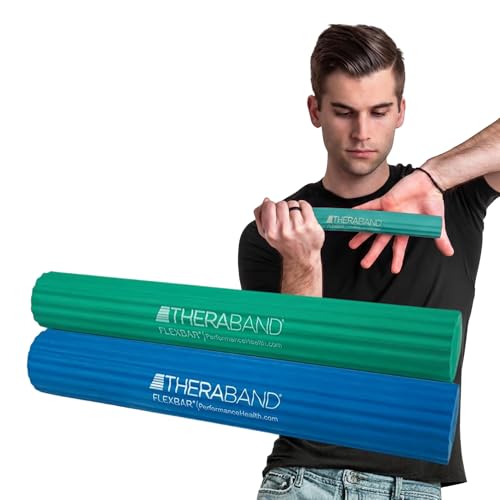
TWO RESISTANCE LEVELS FOR CUSTOMIZED TRAINING: Green (15 lb) and Blue (20 lb) bars each measure 12" long and vary in diameter for progression; made from durable dry natural rubber for consistent performance across therapy stages
Medications for Pain Relief
Pain management is a fundamental aspect of treating tennis elbow. Nonsteroidal anti-inflammatory drugs (NSAIDs) are among the primary medication types used. Common choices include ibuprofen and naproxen, taken in specific dosage guidelines: typically, ibuprofen is dosed at 200–400 mg every 4–6 hours, while naproxen is 220–440 mg every 12 hours. Topical options, like diclofenac gel, can also provide relief with fewer systemic effects. While NSAIDs effectively alleviate pain, they don’t change the underlying condition. It’s essential for patients to discuss potential side effects, especially gastrointestinal, cardiovascular, and renal risks. Combining NSAID therapy with rest and physical rehabilitation often yields the best outcomes, enhancing overall treatment effectiveness for tennis elbow.
Recommended Products

DUAL TEMPERATURE THERAPY: Experience effective relief from pain and swelling with this elbow compression ice wrap. Providing you with a combination of temperature therapy and compression, this elbow wrap ensures 360 degrees of pain relief for tendonitis, tennis elbow, bursitis, and other conditions or injuries. Promote recovery while alleviating swelling and tension in your elbow with this targeted compression wrap.

3-in-1 Heat & Vibration Therapy for Elbow Pain: If you're searching for an elbow massager for pain relief that actually works, this wearable wrap delivers 5 precise heat levels (113–149°F / 45–65°C) and 3 vibration modes. Use heat only, massage only, or both together to target stiffness, tendonitis, and tennis elbow. It’s the heated elbow brace you can wear while working, resting, or recovering

【Elbow Heating Pad for Tendonitis and Tennis Elbow】 If you deal with soreness or tightness in your arms or elbows, Works great for pain in my elbow, great for elbow pain and nerve pain throughout the elbow.It’s a great option for anyone dealing with tennis elbow, strain from lifting, or general muscle fatigue.
When to Consider Surgery
Maneuvering the complexities of tennis elbow treatment often leads to a critical decision: when to contemplate surgery. Surgical considerations arise when symptoms persist despite six months of conservative treatment. Patients experiencing no improvement may need surgical evaluation, especially if pain restricts daily activities or severely impacts quality of life. Before moving forward, it is essential to rule out other potential conditions that may mimic tennis elbow symptoms, mitigating the risk of misdiagnosis. Success rates for surgical interventions range from 80% to 90%, but outcomes can vary. Patient counseling becomes important, informing individuals about favorable recovery prospects without surgery. Ultimately, the decision for surgery should be made collaboratively, weighing risks, benefits, and personal circumstances carefully.
Recommended Products

✅ Available in sizes XS (Bicep: 13.5", Elbow: 11-12.75"), S (Bicep: 15.5-18", Elbow: 12.75-14.5"), M (Bicep: 18-19.5", Elbow: 14.5-15.25"), M+ (Bicep: 19.5-21", Elbow: 15.25-16.25"), L (Bicep: 21-24", Elbow: 16.25-18") to ensure a perfect fit for a variety of bicep and elbow circumferences.

T Scope Premier hinge offers extension adjustability between -10⁰ and 110⁰, while flexion may be adjusted between -10⁰ and 120⁰ (ROM control in 10⁰ increments)

✅ FIND YOUR PERFECT FIT – BICEP SIZE GUIDE Measure forearm circumference to select the correct size: S: 9–10.5" (23–27 cm), M: 10.5–12" (27–30 cm), L: 12–13.5" (30–34 cm), XL: 13.5–15" (34–38 cm), XXL: 15–16.5" (38–42 cm). Ensures secure fit for targeted elbow support during activity or recovery.
Effective Prevention Strategies
Tennis elbow, a common ailment for both athletes and non-athletes, can often be prevented with strategic approaches. Implementing exercise variations, such as wrist curls and grip strengthening routines, is crucial for enhancing forearm strength. Consistent practice of these exercises builds resilience against repetitive strain. Additionally, utilizing preventive equipment can make a substantial difference. Choosing a racquet with the correct grip size and weight minimizes stress on the elbow. Ergonomic adjustments in both sports and workplace settings promote proper mechanics, reducing the risk of injury. Finally, incorporating coaching or video analysis can help individuals correct flawed techniques. Together, these strategies offer a thorough approach to preventing tennis elbow while maintaining superior activity levels.
Recommended Products

Diablo tensioner and linear pull for the most delicate strings. Glide to Activate string gripper allows tensioning with one hand. Super fast.

The 700 ES Features Patented Time Saving Down-Press Clamps and Gravity Assisted Release

True Constant Pull Tensioning with extremely sensitive electronic tensioner with advanced microprocessor technology
Frequently Asked Questions
Can Tennis Elbow Affect Both Elbows Simultaneously?
Yes, tennis elbow can exhibit bilateral impact, affecting both elbows simultaneously. Such occurrences often correlate with joint sensitivity and repetitive activities that strain both arms, increasing the likelihood of developing symptoms on both sides.
Is Tennis Elbow More Common in Men or Women?
Tennis elbow exhibits mixed prevalence differences, with some studies indicating no significant gender impact, while others report a slight male predominance, particularly in specific occupational or recreational activities, highlighting the complexity of its demographic influences.
How Long Does It Take for Tennis Elbow to Heal?
Time heals all wounds, and for tennis elbow, the healing timeline typically spans 6 to 12 weeks, influenced by recovery factors like severity of damage, adherence to treatment, and overall health. Full recovery may take longer.
Can Tennis Elbow Recur After Treatment?
Yes, tennis elbow can recur after treatment. Recurrence prevention strategies, including activity modification and tailored rehabilitation, are essential for minimizing the risk and promoting long-term recovery, as patients often experience varying outcomes based on individual circumstances.
Are There Alternative Therapies for Tennis Elbow Relief?
Alternative therapies for tennis elbow relief include acupuncture therapy and massage therapy, both of which show potential in alleviating pain. These methods can complement traditional treatments, enhancing recovery by promoting relaxation and improving blood flow to affected areas.


