As an Amazon Associate, we earn from qualifying purchases. Some links on this site are affiliate links at no extra cost to you. Our recommendations are based on thorough research and editorial judgment.

Managing Muscle Cramps During Play

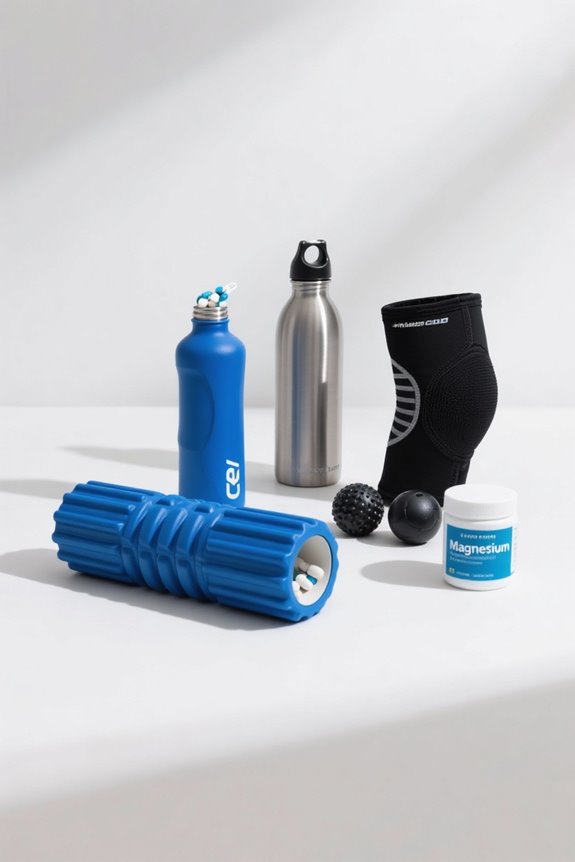
Professional studio photograph showcasing essential muscle cramp management tools for athletes. Featured on pristine white backdrop: premium foam roller in deep blue, stainless steel water bottle with electrolyte tablets, professional-grade compression sleeve in black, massage ball set, and magnesium supplement container. Items arranged in balanced composition with soft gradient shadows. Studio lighting emphasizes texture details and material quality. Vibrant colors pop against clean background. Perfect commercial catalog presentation highlighting emergency sports care essentials. Sharp focus throughout, premium finish, designed for high-end athletic equipment retailers.
# Managing Muscle Cramps During Play
Managing muscle cramps during play requires a proactive approach. Start with proper hydration; consume two cups of water two hours before and during activity. Incorporate sodium-rich fluids to maintain electrolyte balance. Stretching, like pulling your toes towards your body, and gentle massage can relieve cramps swiftly. Regular conditioning activities, such as HIIT, can also enhance muscle endurance. Be aware of environmental factors like heat and humidity that may heighten cramp risk. Explore effective strategies for prevention and relief to keep you in the game.
Key Takeaways
- Stay well-hydrated before, during, and after play to prevent dehydration-related cramps.
- Incorporate electrolyte-rich drinks to help maintain sodium and potassium levels during extended physical activity.
- Use stretching techniques and gentle massages to relieve cramps when they occur during play.
- Wear appropriate footwear with proper arch support to minimize strain and reduce cramping risks.
- Regular conditioning, including strength training and flexibility exercises, can enhance muscle endurance and decrease cramping likelihood.
Understanding Exercise-Associated Muscle Cramps
What exactly causes exercise-associated muscle cramps (EAMCs) during intense physical activity? EAMCs are sudden, involuntary contractions that can occur in various muscle groups, particularly the calves, thighs, and foot arches. Their exact causes remain unclear, but muscle contraction mechanisms and cramp susceptibility factors play significant roles. Factors such as dehydration, electrolyte imbalances, and neuromuscular excitability contribute to this painful phenomenon. Athletes often experience increased susceptibility, especially during prolonged exertion. These cramps can last from seconds to several minutes, leaving the affected muscle stiff and tender. Strategies like maintaining proper hydration and nutrition can help minimize the risk of EAMCs during exercise. Wearing shoes with proper arch support can also help reduce the likelihood of cramps in the foot and calf muscles during play. Understanding these factors can empower athletes to manage and prevent cramps effectively.
Causes of Muscle Cramps During Play
Muscle cramps during play can strike unexpectedly, disrupting performance and causing discomfort. These cramps are often linked to muscle fatigue, particularly in endurance sports. Dehydration and electrolyte imbalances, especially low levels of potassium and magnesium, can also elevate cramping intensity. Conditions like nerve compression and inadequate blood flow further exacerbate the risk of cramping during activity. Factors such as age and physical conditioning play significant roles, making older athletes or those untrained more susceptible. Additionally, pregnant women and individuals with certain medical conditions may face increased occurrence. Understanding these causes is essential for effective prevention and enhancing muscle recovery during and after sports activities. Being aware of them guarantees players can manage their performance effectively. Wearing shoes with proper arch support can help prevent foot-related issues that may contribute to muscle fatigue and cramping during extended play.
Immediate Relief Techniques for Cramps
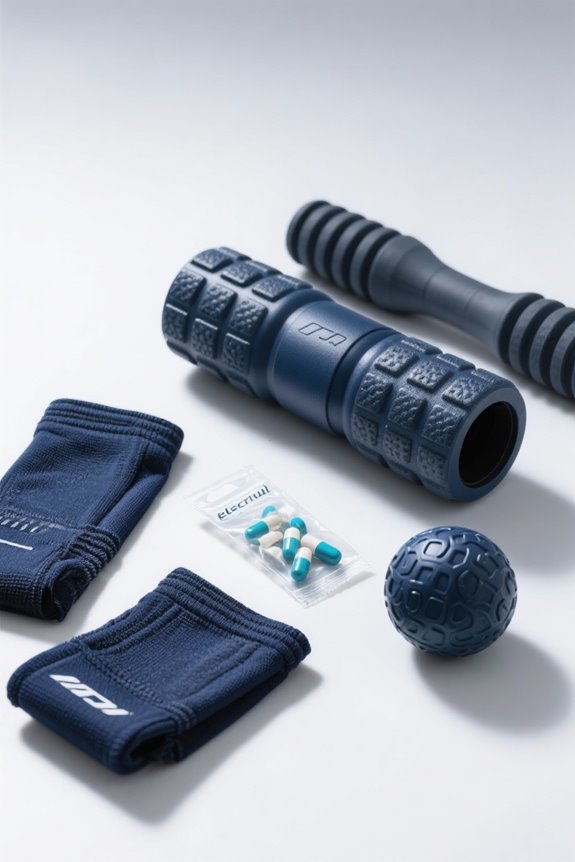
Occasionally, athletes may find themselves facing sudden muscle cramps during intense physical activity. Immediate relief techniques can be highly effective. Stretching techniques, such as pulling your toes toward your body while seated to relieve calf cramps, work wonders. For front lower leg cramps, standing on your toes can help stretch those tight muscles. Gentle massage methods can also promote relaxation; applying direct pressure to the cramped area will alleviate the spasm. Utilizing heat, like warm baths after stretching, enhances blood flow and assists in muscle recovery. Alternatively, ice can be applied post-stretching to limit inflammation. Wearing shoes with proper arch support can help prevent muscle cramps by maintaining foot alignment and reducing strain during play. Being aware of these techniques can empower athletes to handle cramps swiftly, allowing for a more enjoyable and uninterrupted sporting experience.
Recommended Products

sku=36768103-6


Gore-tex 100% Waterproof Technology combines optimized breathability and wet weather protection
Importance of Hydration
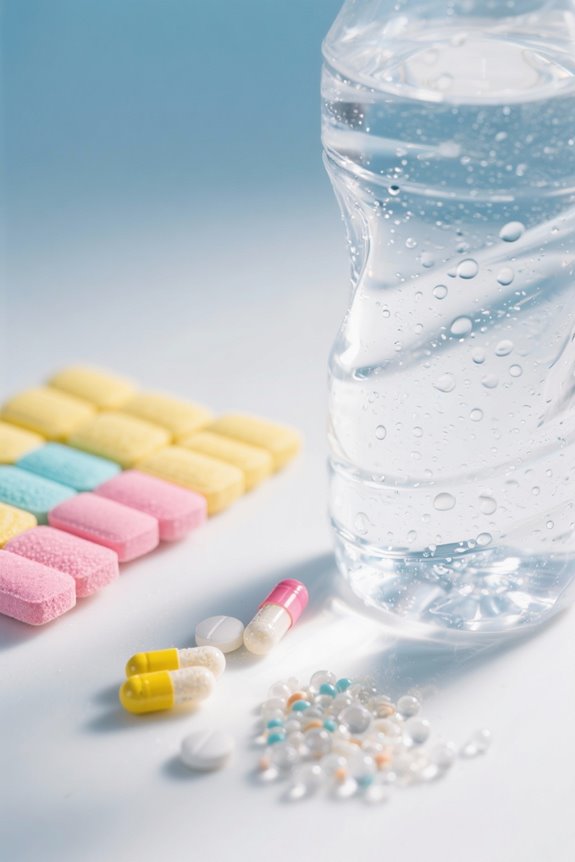
During physical activity, staying hydrated stands out as a fundamental practice for athletes. Dehydration can lead to muscle cramps by causing a loss of essential minerals like sodium and potassium. To harness hydration benefits, athletes should implement effective hydration techniques. For example, drinking fluids based on body weight and activity level is vital. Even a 1% loss in body weight can increase cramping risks, particularly in sweaty conditions. Both water and electrolyte-rich beverages are integral for maintaining fluid balance. Consuming sodium-rich drinks may further reduce muscle cramp severity during exercise. Additionally, athletes should prioritize pre-event hydration, while ensuring they rehydrate properly after workouts. Maintaining proper grip during play also reduces hand fatigue and cramping, as an improper grip size can cause muscle strain and cramping in the hands and forearms. By following these strategies, athletes can optimize performance and mitigate cramping incidents effectively.
Recommended Products


Zero 6 Flavor - Qwik Stik - Sugar-Free Electrolyte Powdered Beverage Mix (600 Pack)
Role of Electrolytes in Muscle Function
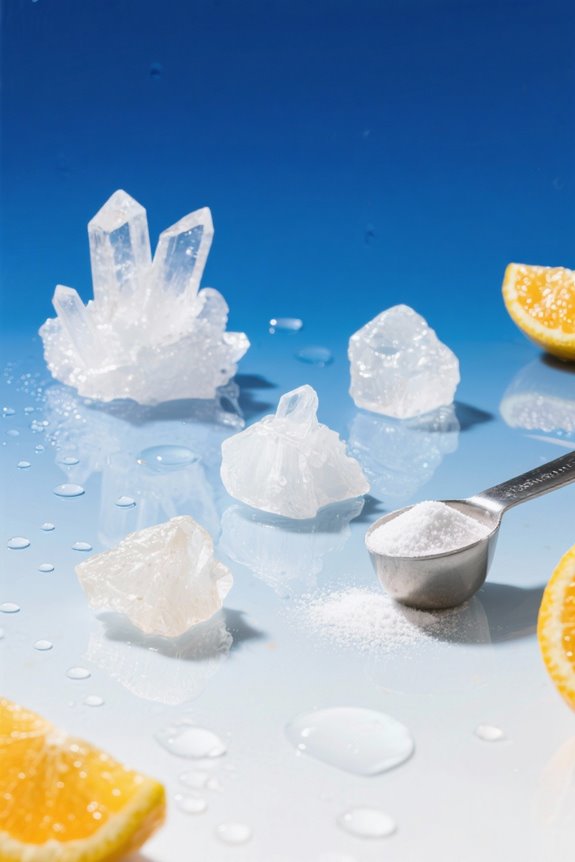
Electrolytes play an essential role in sustaining proper muscle function, making them significant for anyone engaged in physical activities. These charged minerals, including sodium, potassium, calcium, and magnesium, are fundamental for muscle contractions and relaxation. Sodium and potassium generate action potentials across muscle cell membranes, initiating contractions. Calcium binds to proteins in muscle fibers to trigger contraction, while magnesium aids in relaxation by allowing fibers to slide apart. An imbalance of these electrolytes, such as low potassium or magnesium, can lead to weakness and cramps. Maintaining ideal electrolyte levels is vital, as even minor deficiencies can impair muscle function and lead to fatigue. During intense physical activity, sweat absorption becomes critical as the body loses significant amounts of electrolytes through perspiration, which can accelerate the onset of muscle cramps if not properly replenished. Careful management of electrolyte intake supports better performance and reduces the risk of cramps during exercise.
Recommended Products

Versatile Cell Salt Kit: The Classic Tissue Cell Salt Kit offers all 12 Schuessler Cell Salts, providing a broad selection of essential minerals for various potential uses. Whether for general wellness or other purposes, this kit covers your needs.
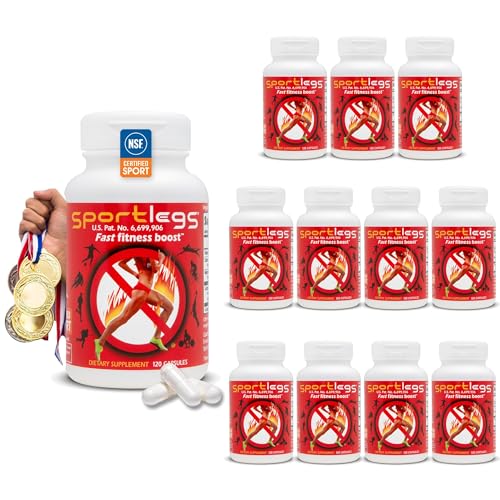
A DIFFERENT KIND OF PRE-WORKOUT. Not a stimulant and not an electrolyte drink. SportLegs prepares working muscles before hard efforts so movement feels smoother and more sustainable from the start.

ReMag¬ liquid magnesium was developed to deliver pure, stabilized magnesium ions similar in size to the magnesium available from plants.
Strategies for Maintaining Electrolyte Balance
Maintaining electrolyte balance is essential for peak athletic performance. Athletes should focus on hydration timing to enhance their exercise outcomes. Consuming 5-7 ml of fluid per kilogram of body weight about four hours before exercise is advisable. Incorporating electrolyte sources, like bananas and sodium-rich foods, can stimulate thirst and aid fluid retention. During prolonged or high-intensity activities, it’s best to opt for electrolyte drinks such as Gatorade or Powerade, alternating with water to maintain hydration balance. After exercise, a mix of water and electrolyte-rich beverages helps restore fluid levels. Monitoring urine color can also guide hydration needs, ensuring the athlete stays adequately hydrated without the risk of overhydration, hence preventing electrolyte imbalances and muscle cramps. Using insulated water bottles with vacuum insulation technology can keep electrolyte drinks cold for over six hours during long pickleball sessions, ensuring optimal refreshment throughout play.
Recommended Products

Instant Organic Coconut Water Powder - Just Add Water to Create Refreshing Organic Coconut Water

Instant Coconut Water Powder - Just Add Water to Create Refreshing Coconut Water. 2 tbsp makes a tall, 12 oz glass of Coconut Water

Effective Warm-Up Routines
Launching into an effective warm-up routine sets the stage for ideal performance and injury prevention in any sporting activity. A structured warm-up should last 5 to 10 minutes, incorporating dynamic warm ups that raise muscle temperature and heart rate. Begin with low-intensity aerobic activities like walking or jogging. Follow these with progressive stretching exercises, including butt kicks and high knees, to enhance flexibility and muscle readiness. Engaging in ankle mobility exercises also supports deeper squats, reducing stiffness. This gradual elevation in intensity allows muscles to prepare adequately, preventing abrupt physiological changes that could lead to cramps. Proper footwear with adequate arch support helps distribute body weight evenly during warm-ups, reducing strain and the risk of cramps. Overall, effective warm-up routines are essential for optimizing performance and minimizing injury risks during play.
Recommended Products

POLISHABLE FULL-GRAIN LEATHER boots made lighter and more flexible with strategically-placed ripstop ballistic nylon. Entire upper is polishable

Durable leather and abrasion-resistant fabric upper, military class membrane waterproof and moisture-wicking mesh lining

Waterproof Nubuck leather upper, 500D Cordura fabric, military class membrane waterproof and moisture-wicking mesh lining
Conditioning to Prevent Muscle Fatigue
Conditioning plays an essential role in preventing muscle fatigue during physical activities. Effective muscle conditioning improves aerobic capacity, enhancing endurance training and oxygen delivery to active muscle tissues. Incorporating cross training, such as mixing aerobic exercises with strength workouts, helps alleviate overall fatigue. Gradually increasing the intensity and volume of activities like running or cycling builds capillary and mitochondrial density, enhancing fatigue resistance. High Intensity Interval Training (HIIT) efficiently boosts endurance by alternating intense activity with recovery periods. Additionally, improving muscle strength supports joints and maintains form, reducing energy expenditure. Remember, proper hydration and recovery techniques also play critical roles in preserving your stamina and preventing fatigue during play. Wearing athletic shoes with shock absorption technologies can further protect your joints and reduce the risk of cramping during extended play sessions. Prioritize these strategies to sustain your performance and enjoy longer sessions without cramping.
Environmental Factors Influencing Cramps
Environmental factors greatly influence the occurrence of muscle cramps, particularly during physical exertion. High temperatures are known to increase cramp incidence, especially in sports like football, where up to 95% of cramps occur in hot weather. Athletes often struggle more during preseason when heat acclimatization strategies are not yet established. Additionally, humidity effects exacerbate the situation by impairing sweat evaporation, raising the risk of dehydration and electrolyte loss. As a result, athletes in humid climates frequently report cramps. Monitoring weather conditions, particularly wet bulb globe temperature, can provide valuable insights for evaluating cramp risk. Understanding these environmental influences is crucial for athletes aiming to optimize performance and minimize the likelihood of cramps during play. Serious players can also protect their equipment from temperature fluctuations by investing in tennis bags with thermal technology, which shield racquets from extreme heat or cold that might affect string tension and performance.
Physiological Aspects of Muscle Cramps
Muscle cramps involve complex physiological processes that can greatly affect athletic performance. These cramps result from neural mechanisms linked to muscle fatigue, where abnormal spinal reflex activity disrupts motor neuron control. Specifically, muscle fatigue alters the balance between muscle spindle and Golgi tendon organ afferents, leading to cramps. During these episodes, fast-twitch muscle fibers, known for their quick fatigue, are largely activated. This selective recruitment of muscle fiber impacts the cramping sensation. Additionally, disruptions in ion channels can amplify sensory inputs, increasing involuntary contractions. Athletes prone to cramps may demonstrate lower thresholds for triggering these neural mechanisms, highlighting the importance of understanding individual variations. Recognizing these physiological factors can aid in proper management and prevention strategies. Incorporating resistance band exercises into training routines can help strengthen muscles prone to cramping and support injury prevention through targeted conditioning.
When to Seek Medical Attention
Recognizing the signs that indicate a need for medical attention can be essential for maintaining overall health. Severe muscle cramps impacting multiple areas may signal an electrolyte imbalance or conditions like thyroid disease. If cramps are accompanied by swelling or muscle weakness, prompt evaluation is necessary. Persistent pain that lasts beyond a few days or worsens despite rest should be assessed for possible muscle strain or injury. Additionally, cramps linked to poor blood flow or nerve compression require investigation. If you experience difficulty moving or systemic symptoms like chest pain, seek urgent care immediately. Remember, posture correction during activity can help prevent cramps, but ignoring these warning signs could complicate your health further.
Long-Term Management of Recurring Cramps
While it may seem challenging to manage recurring muscle cramps effectively, a structured approach can yield significant long-term benefits. Implementing lifestyle modifications is essential; regular stretching exercises and low-impact aerobic activities can drastically reduce cramp occurrences. Additionally, focusing on nutritional support is vital. Ensuring adequate hydration and consuming foods rich in magnesium and potassium will bolster muscle health. Regular intake of electrolyte-rich beverages during intense activity enhances performance while preventing cramps. For those facing persistent issues, magnesium supplementation might be beneficial, particularly for pregnant women. By adopting these strategies, individuals can develop a thorough plan to manage and eventually reduce the frequency of muscle cramps, improving overall physical performance and quality of life.
Frequently Asked Questions
Can Specific Foods Help Prevent Muscle Cramps?
Specific foods, like bananas, provide essential potassium, supporting muscle function and reducing cramp risk. Proper hydration timing, particularly before and during exertion, is vital for maintaining electrolyte balance and preventing muscle cramps effectively.
How Do Certain Medications Affect Muscle Cramping?
Echoing the sharpness of lightning, certain medications disrupt muscle harmony, causing painful cramping. Awareness of drug interactions and effective pain management become essential, especially with diuretics and beta-blockers, which commonly deplete crucial electrolytes, exacerbating discomfort.
Is There a Connection Between Cramps and Hydration Methods?
Research suggests a connection between cramps and hydration methods, emphasizing hydration timing and its effects on electrolyte balance. Properly timed hydration strategies may help maintain electrolyte levels, potentially reducing the incidence of muscle cramps during exertion.
What Role Does Body Temperature Play in Cramping?
In the heat of summer’s gladiatorial games, body temperature influences cramping considerably. Ineffective thermoregulation effects and poor temperature control elevate muscle excitability, increasing cramp risk due to impaired blood flow and nutrient delivery during exertion.
Are There Age-Related Risks for Muscle Cramps?
Age-related risks for muscle cramps affect both youth athletes and older adults. Senior fitness requirements increase susceptibility due to muscle loss and decreased coordination, while young athletes may experience cramps from overexertion and inadequate hydration during training.


