As an Amazon Associate, we earn from qualifying purchases. Some links on this site are affiliate links at no extra cost to you. Our recommendations are based on thorough research and editorial judgment.


Recovery Nutrition for Tennis Players

Premium sports nutrition supplement designed specifically for tennis athletes. Features advanced recovery formula with essential electrolytes, BCAAs, and carbohydrates to replenish energy stores after intense matches and training sessions. Sleek, modern packaging showcases professional-grade quality. The formula supports muscle recovery, reduces fatigue, and optimizes hydration levels. Scientifically formulated blend helps tennis players maintain peak performance throughout tournaments. Compact, portable design fits easily in tennis bags. High-quality ingredients ensure rapid absorption and maximum effectiveness. Perfect for competitive players seeking superior post-match recovery and enhanced on-court endurance.
# Recovery Nutrition for Tennis Players
Recovery nutrition is essential for tennis players to enhance performance and expedite recovery. Aim to consume a balanced meal rich in carbohydrates and protein within 30 minutes after play. Opt for a 3:1 carbohydrate-to-protein ratio, such as a protein bar or pasta with lean meat. Hydration is equally important; drink 200-400 mL of fluids during matches. Incorporating anti-inflammatory foods, like fatty fish and berries, supports muscle repair. For expert insights and practical meal ideas, continue exploring further.
Key Takeaways
- Prioritize a recovery meal within 30-60 minutes post-match, focusing on a 3:1 to 4:1 carbohydrate-to-protein ratio.
- Aim for 20-25 g of protein and 60 g of carbohydrates immediately after exertion to stimulate muscle repair.
- Hydrate with electrolytes before and during matches, consuming 200-400 mL of fluids during changeovers to prevent dehydration.
- Incorporate anti-inflammatory foods like fatty fish, berries, and nuts to enhance recovery and reduce muscle soreness.
- Plan balanced meals 2-3 hours post-match, including whole grains, lean proteins, and healthy fats for optimal energy restoration.
Importance of Recovery Nutrition in Tennis
Understanding the importance of recovery nutrition in tennis involves recognizing that proper nutrition plays a essential role in an athlete’s performance and recovery. Adequate protein intake, about 1.6 grams per kilogram of body weight, is crucial for muscle repair. Post-match, players often utilize recovery supplements, such as protein shakes, to expedite this process. Effective meal planning is necessary, as failing to organize nutrition can hinder recovery and increase injury risk. Hydration is equally important; many athletes overlook it, leading to muscle fatigue, which negatively impacts performance. A well-structured recovery strategy, incorporating personalized nutrition plans, can enhance overall training adaptations, ensuring players perform at their peak. Prioritizing these elements can markedly influence success on the court.
Macronutrient Ratios for Optimal Recovery

To achieve ideal recovery, tennis players must pay close attention to their macronutrient ratios. A recommended protein intake of 1.5 to 1.7 g/kg/day is indispensable for muscle repair throughout training phases. Post-exercise, a 3:1 to 4:1 carbohydrate-to-protein ratio further enhances recovery, making it essential for players to consume a recovery meal containing approximately 60 grams of carbs and 15-20 grams of protein within 30-60 minutes after exertion. Healthy fats should account for 20-30% of total calories, supporting energy and nutrient absorption without impeding digestion. These well-structured macronutrient ratios are critical components of effective recovery strategies. By balancing these nutrients, players can effectively recover and prepare for future challenges on the court. Just as selecting the right string material impacts performance and durability on court, choosing appropriate nutrition strategies significantly influences recovery outcomes and long-term athletic success.
Carbohydrate Guidelines for Sustained Performance
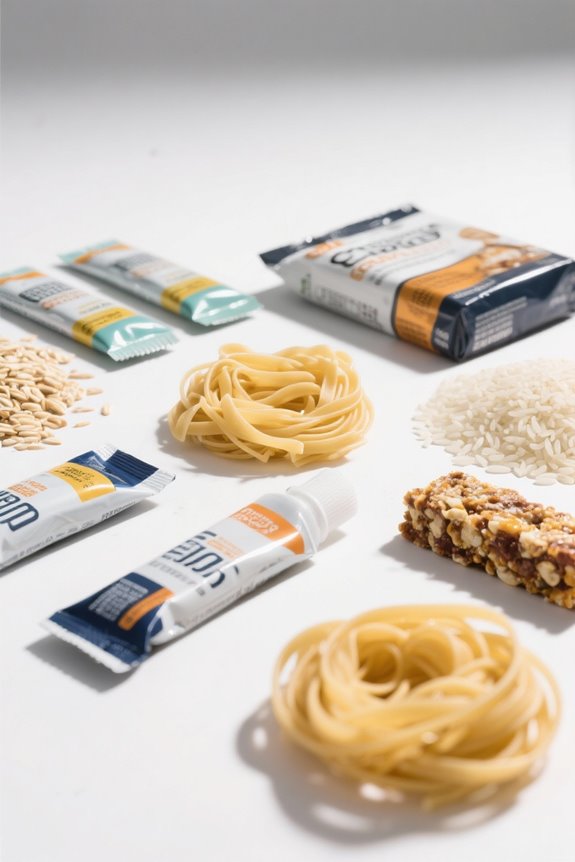
Carbohydrates fuel tennis players, providing the energy needed for peak performance on the court. Elite athletes should consume 6-10 grams of carbohydrates per kilogram of body weight daily, particularly during high-intensity training or competition weeks. This intake varies based on training variations, meal frequency, and digestive timing. Carbohydrate sources like whole grains and fruits promote energy density and enhance performance endurance. For ideal fueling strategies, aim for a balanced meal two hours before play. During matches exceeding 60 minutes, absorb 30-60 grams of carbohydrates per hour to maintain energy levels. Effective food combinations, such as glucose with fructose, can improve metabolic flexibility, ensuring sustained performance throughout intense matches. Prioritize consistent carbohydrate intake over last-minute efforts for best results. Complementing nutrition with resistance band training can further enhance strength and overall athletic performance between matches.
Recommended Products

SUSTAINED ENERGY WITH LOW GLYCEMIC CARBS: Demo Day provides 25g of carbohydrates per serving from Carb10, Cluster Dextrin, and Palatinose, delivering sustained energy without the crash. These low-glycemic carbs fuel your workout while maintaining stable blood sugar levels for improved endurance and performance.

Patented 4:1 ratio of carbohydrate to protein to speed the movement of carbohydrate into the muscle

HIGHLY BRANCHED CYCLIC DEXTRIN – An advanced complex carbohydrate source, Cluster Dextrin makes Super Carb superior to other sugary sports drink. With a low glycemic index and high osmolarity, Super Carb provides long lasting energy without gastric distress or spiking blood sugar.
Protein Requirements for Muscle Repair
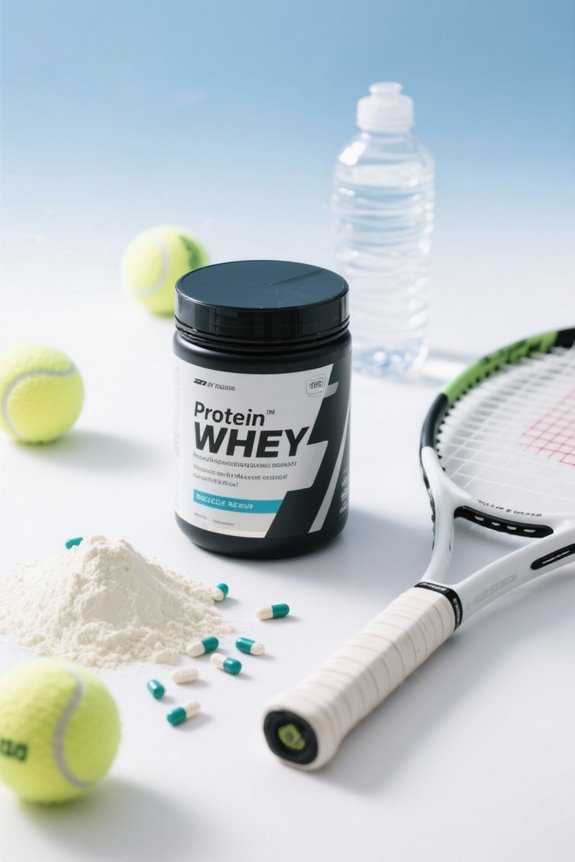
Following a solid carbohydrate intake, the focus shifts to protein requirements, which are essential for muscle repair in tennis players. Daily intake should be around 1.5 to 1.7 grams of protein per kilogram of body weight. To kickstart muscle synthesis, consuming 20 to 25 grams of protein immediately post-exercise is advisable. Prioritizing high-quality protein sources, like meat, fish, eggs, and dairy, guarantees essential amino acids are included. Rapid protein digestion is pivotal, so it’s best to eat within 30 minutes after play. Regular protein consumption every 3 to 4 hours aids ongoing muscle repair. Just as proper nutrition supports muscle recovery, maintaining your equipment through regular restringing can prevent arm discomfort and reduce physical strain during play. Adhering to these guidelines can markedly enhance recovery, reduce muscle fatigue, and support overall athletic performance, paving the way for future successes.
Recommended Products

Fits 2005 - 2021 Nissan Frontier (w/ factory side bed rail caps only) 6' 1" Bed (73.3")

ATP ENERGY RECYCLING & EXPLOSIVE POWER: Formulated with pure, high-grade Creatine Monohydrate to accelerate cellular ATP regeneration, fueling explosive muscle contractions, power output, and physical stamina during heavy exertion.
Great for Garden: Our decorative garden fence could be set up as barrier for your garden, yard and landscape patio to keep animal away from your flower, plants and vegetable
Role of Fat in Recovery Nutrition

Dietary fats play a crucial role in recovery nutrition for tennis players, providing significant benefits beyond immediate energy replenishment. Fat serves as a secondary energy source during recovery, especially during low-intensity periods. Research suggests that tennis players should consume fats representing 20-30% of total daily calories, equating to 30-100 grams daily based on energy needs. Each gram of fat supplies 9 kcal, more than carbohydrates and proteins. While fat absorption is slower, it aids in longer-term recovery and stabilizes blood sugar levels. Unsaturated fats, from sources like avocados and fish, are preferable for their health benefits. Adequate fat consumption supports hormone production, essential for muscle repair and immune function, further enhancing recovery outcomes. Just as selecting the proper grip size is critical for comfort and performance with tennis equipment, choosing the right balance of dietary fats is essential for optimizing recovery and maintaining peak athletic performance.
High-Quality Protein Sources
Recovery nutrition isn’t solely about fats; high-quality protein sources are equally vital for tennis players. Animal-based options like chicken, eggs, and fish provide a complete amino acid profile important for muscle repair. Whey protein isolates, often found in recovery smoothies, are rapidly absorbed to speed up recovery. For convenience, beef jerky serves as a portable, protein-dense snack during tournaments. Plant-based sources, such as tofu and pea protein, offer alternatives that maintain essential amino acid profiles. Nut butters can also enhance your recovery through a blend of protein and healthy fats. Combining these protein blends guarantees you’re optimizing recovery, setting the stage for peak performance on the court. Just as proper nutrition aids recovery, selecting footwear with adequate cushioning helps absorb shock and reduce pressure on your feet during extended play. Prioritize sourcing a variety of these options for the best results.
Recommended Products

Provides clean energy for athletic performance, mental clarity, metabolic health, and deep sleep

Work hard, recover fast: Get past the sore muscles with help from pure serrapeptase, a powerful enzyme that naturally supports recovery so you can get back to doing what you love
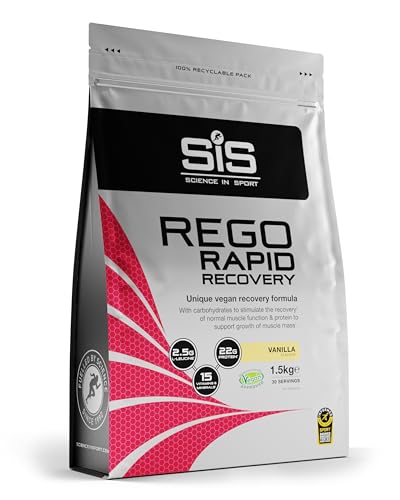
Protein Powder Supplement: SiS REGO Rapid Recovery delivers 21g of protein with carbohydrates to support post-training recovery for elite athletes
Timing of Nutrient Intake After Matches
How quickly should tennis players refuel after a match to maximize their performance? Immediate post-match recovery is vital. Tennis players should aim to consume a snack or medium-sized meal within 30 minutes. This meal should combine two parts carbohydrates with one part protein for ideal nutrient absorption. Suitable options include carbohydrate/protein bars or pasta with lean meats. Additionally, liquid carbohydrates like smoothies can expedite recovery. Within 2-3 hours post-match, a balanced meal featuring diverse carbohydrate sources and protein is essential for restoring energy and initiating muscle repair. Incorporating hydration during this window further supports recovery, as it takes roughly 3 grams of water to store 1 gram of glycogen. Just as proper nutrition timing aids recovery, selecting the right equipment like a lightweight racquet can reduce player fatigue and support extended play without compromising performance. Prioritizing these timing strategies can greatly enhance recovery and performance.
Hydration Strategies for Tennis Players
Effective hydration plays an essential role in ensuring tennis players maintain peak performance during matches and tournaments. To optimize hydration, players should begin matches well-hydrated, consuming fluids with electrolytes, which enhances fluid retention and maintains plasma volume. Aim for about 200 to 400 mL of fluid intake during changeovers, especially during intense heat. Frequent sips every 15–20 minutes can help prevent dehydration and sustain energy levels. Sodium intake, approximately 50 mmol/L, is vital; it aids fluid balance and enhances thirst sensation. In addition, players should be cautious of alcohol and caffeine before matches, as they can promote dehydration. Staying aware of your body’s needs and adjusting based on environmental conditions can lead to improved performance on the court. Just as proper equipment maintenance requires attention to detail, such as understanding string tension ranges for optimal racket performance, monitoring your hydration needs with precision can give you a competitive edge.
Electrolyte Replacement After Intense Play
After a grueling match, proper electrolyte replacement is crucial for tennis players aiming to recover quickly and effectively. Electrolyte strategies are imperative, especially after significant sodium loss through perspiration. Using products like SaltStick capsules, priced around $25 for a month’s supply, can prevent muscle cramps and enhance recovery. Tennis players should also consider oral hydration methods, such as electrolyte-rich drinks like GU Hydration Drink Tabs, which are effective and convenient. Consuming foods high in potassium, like bananas and avocados, can further support natural electrolyte replenishment. Tailoring hydration plans based on sweat loss can optimize recovery speed and overall performance. Just as proper footwear with adequate cushioning helps prevent heel pain during play, appropriate post-match nutrition supports the body’s recovery mechanisms. Therefore, combining these methods will guarantee players maintain peak energy levels and readiness for subsequent matches.
Anti-Inflammatory Foods for Recovery
While players may feel fatigued after an intense match, incorporating anti-inflammatory foods into their recovery routine can greatly enhance healing and performance. Anti-inflammatory berries like blueberries and tart cherries are rich in polyphenols and anthocyanins, which help reduce oxidative stress and inflammation. Including fatty fish, such as salmon, provides omega-3 benefits like decreased pro-inflammatory cytokines. Consuming nuts and seeds, especially walnuts and chia seeds, contributes essential antioxidants and vitamin E for muscle repair. Curcumin, found in turmeric, has demonstrated efficacy in reducing inflammation markers, aiding recovery further. These dietary choices not only support muscle repair but also improve overall recovery efficiency. Just as choosing the right equipment—like selecting tennis balls based on court surface compatibility—can optimize performance, pairing proper nutrition with training ensures players maximize their recovery potential. With the right anti-inflammatory foods, players can bounce back stronger and more resilient for their next match.
Practical Post-Match Meal Ideas
To optimize recovery post-match, tennis players should focus on practical meal ideas that effectively replenish nutrients. Smoothie recipes featuring fruit, Greek yogurt, and nut butter offer a quick nutrient boost. Sandwich combinations like tuna salad or chicken on wholemeal bread provide balanced protein and carbohydrates. For wrap ideas, consider falafel and tzatziki with fresh vegetables, guaranteeing a convenient and nutritious meal. Nutritious meals such as spinach omelets with toast or chickpea curry with brown rice supply digestible protein and carbs. Recovery snacks can include yogurt topped with fruits and nuts. Emphasizing easily digestible ingredients within 30 minutes helps maximize absorption and supports rapid recovery after a match. Just as proper nutrition aids recovery, wearing tennis shoes with adequate cushioning helps prevent injuries like plantar fasciitis during intense play. Consistent intake guarantees sustained replenishment as players prepare for subsequent matches.
Recommended Products

The Breville Super Q is a super-quick, stronger and more personal, commercial grade blender; The most powerful motor, 5 one touch programs and 12 speed settings ensure smooth and soft textures with less noise due to blender's noise suppression technology

24 grams of protein per serving!

Classic peanut butter flavor in a powdered form
Snack Options to Enhance Recovery
Snack options play a vital role in enhancing recovery for tennis players. Effective snack combinations can greatly aid in quick recovery post-match. For instance, a banana with almond butter offers potassium and healthy fats, while Greek yogurt with honey combines protein and carbohydrates for energy. Beef jerky serves as a simple protein source, ideal for replenishment. Fresh fruits and sport bars provide rapid carbohydrate intake, essential for glycogen restoration. A trail mix of nuts and dried fruits delivers an excellent balance of carbohydrates and protein. Meanwhile, a protein shake is an easy solution for swift protein absorption. These snacks not only foster recovery but also prepare players for their next performance, enabling them to maintain ideal energy levels and muscle function.
Importance of Consistency in Nutrition Timing
Consistency in nutrition timing is vital for tennis players aiming to maximize their performance and recovery. Regular meal scheduling aligns with the cyclical nature of training, ensuring athletes’ bodies receive nutrients at ideal times. For example, consuming carbohydrates before matches fuels glycogen stores, enhancing endurance. Spacing protein intake fosters muscle repair after intense training sessions, essential for recovery. Additionally, intra-match nutrition, including carbohydrates and hydration, helps maintain energy during prolonged play. Following matches, timely nutrient intake, featuring a mix of protein and carbohydrates, accelerates muscle glycogen replenishment. By adhering to consistent nutrition timing and effective nutrient cycling, players can achieve a steady state of energy, enhancing both physical and mental performance on the court.
Impact of Nutrition on Injury Prevention
While athletes often focus on skill and physical conditioning, the impact of nutrition on injury prevention cannot be overstated. Proper nutrition plays a crucial role in reducing the risk of injuries in tennis players. Nutrient deficiencies, particularly of calcium and vitamin D, can lead to weakened bones, increasing the likelihood of injuries. Adequate consumption of macronutrients, like protein, carbohydrates, and omega-3 fatty acids, supports muscle repair and reduces inflammation. Furthermore, ensuring dietary variety is essential to meet micronutrient needs critical for tissue health. Antioxidants also combat oxidative stress, enhancing recovery and injury management. By addressing these nutritional aspects, players can bolster their performance and safeguard against injuries on and off the court.
Frequently Asked Questions
How Does Recovery Nutrition Impact My Overall Tennis Performance?
Recovery nutrition greatly enhances overall tennis performance by facilitating muscle repair and glycogen replenishment. Proper post-match meals, rich in carbohydrates and protein, optimize recovery, enabling players to maintain high energy levels and sustain competitive performance.
Can Dietary Supplements Replace Whole Foods for Recovery?
Dietary supplements cannot replace whole foods for recovery; they merely mimic a single color in a vibrant painting. Whole foods offer a rich tapestry of nutrients, while supplements often lack the synergy and health benefits of nature’s bounty.
What’s the Role of Micronutrients in Recovery Nutrition?
Micronutrients play an essential role in recovery by supporting immune function and energy metabolism. Effective absorption rates from diverse micronutrient sources enhance recovery, minimizing fatigue and promoting muscle repair essential for peak performance in demanding activities.
How Can I Personalize My Recovery Nutrition Plan?
Like a sculptor shaping a masterpiece, one can personalize recovery nutrition through custom meal planning and hydration strategies, ensuring tailored macronutrient ratios and fluid replacements that meet individual needs and enhance overall performance and recovery.
What Common Mistakes Do Players Make in Recovery Nutrition?
Players often overlook post-match hydration and delay recovery meals, neglecting ideal snack choices that combine carbohydrates and proteins. This misstep hinders effective glycogen replenishment and muscle repair, ultimately affecting their performance and recovery between matches.


