As an Amazon Associate, we earn from qualifying purchases. Some links on this site are affiliate links at no extra cost to you. Our recommendations are based on thorough research and editorial judgment.


How to Prevent Pickleball Knee Pain

Pickleball’s rapid directional changes and repetitive movements can strain knee joints. Protect yourself by wearing proper court shoes with lateral support and cushioning. Always warm up with dynamic stretches and strengthen surrounding muscles through targeted exercises like squats and lunges. Maintain proper form during play, focusing on knee alignment over toes. Use knee braces for additional support if needed. Cool down post-game and apply ice to reduce inflammation. Stay hydrated and maintain healthy body weight to minimize joint stress. Listen to your body—rest when pain occurs and consult healthcare professionals for persistent discomfort.
# How to Prevent Pickleball Knee Pain
To prevent knee pain in pickleball, start with a proper warm-up that includes dynamic stretches. Focus on exercises like squats and lunges to strengthen key muscles. Choose shoes designed for pickleball, with good cushioning and lateral support, to protect your joints. Adapt your movement techniques to reduce stress on the knees. Using a compression knee brace can provide added stability during play. Keep moving, and you’ll find more ways to enhance your knee health.
Key Takeaways
- Incorporate a dynamic warm-up routine to prepare muscles and reduce the risk of knee injuries during play.
- Choose proper footwear with good cushioning and lateral support to protect your knees during quick movements on the court.
- Engage in targeted strengthening exercises, such as squats and lunges, to build muscle support around the knee joint.
- Use compression knee braces during play to enhance blood flow and provide additional stability to your knees.
- Regularly assess and monitor knee health, addressing any discomfort early to prevent long-term damage.
Understanding the Causes of Knee Pain in Pickleball
Understanding the causes of knee pain in pickleball is essential for players wanting to maintain their game and health. Various knee conditions, such as osteoarthritis and meniscus injuries, often arise from the repetitive motions common in pickleball. These movements stress knee anatomy, leading to injuries like sprains and patellar tendinitis. Players should be aware that changing directions quickly can place high loads on ligaments and cartilage, increasing the risk of injury. Additionally, age-related factors greatly impact knee health, particularly for older players. Focusing on injury prevention through strength training and proper techniques can enhance stability. Wearing compression knee braces can provide non-invasive relief from pain and inflammation while improving blood flow during play. Recognizing these causes allows players to adjust their strategies, reducing the likelihood of long-term knee issues while enjoying the game.
Importance of Proper Warm-Up and Stretching
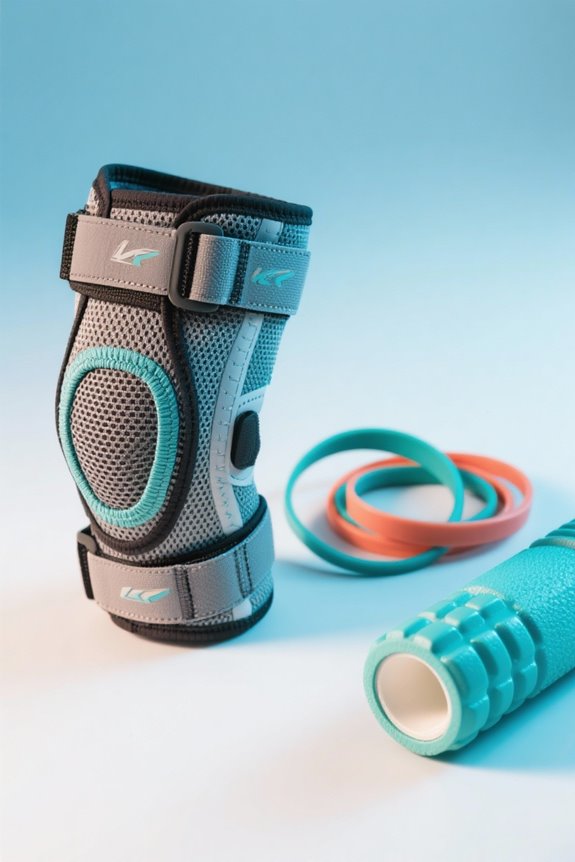
A proper warm-up and stretching routine is essential for any pickleball player. Engaging in dynamic flexibility exercises enhances performance by mimicking the sport’s movements, effectively warming up muscles without leading to fatigue. These warm-up routines considerably reduce the risk of injuries by preparing the body for sudden motion. Specific exercises, such as calf stretches and hip rotations, boost flexibility and readiness while elevating the heart rate for peak performance. A consistent five-minute warm-up, including light exercises like shuffles and karaoke drills, can make a noticeable difference. Dynamic stretching, performed just before play, better activates muscles than static alternatives, ensuring athletes are primed to play confidently and safely. Just as lightweight racket designs reduce strain and improve agility in tennis, using properly weighted equipment in pickleball can help minimize stress on your knees during play. Prioritizing these practices leads to a significant improvement in on-court performance.
Recommended Products
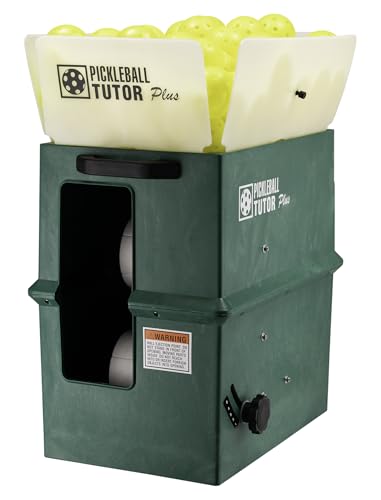
EASY-TO-USE KNOB CONTROLS - No programming or phone app required.

EASY-TO-USE KNOB CONTROLS - No programming or phone app required.
Effective Strengthening Exercises for Knee Support
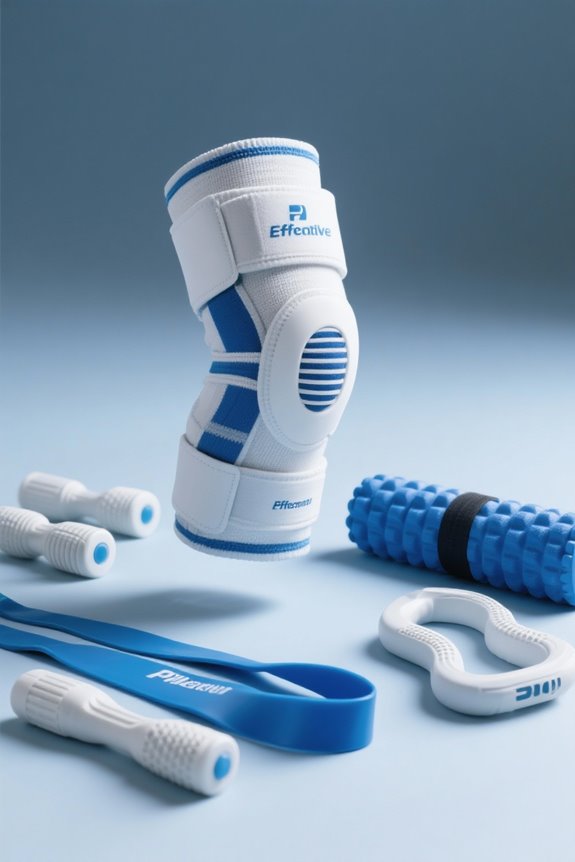
Knee strength is vital for pickleball players seeking to enhance performance and prevent injuries. Engaging in targeted exercises can notably improve knee stability. Squats and lunges promote functional strengthening, mimicking on-court movements that require quick direction shifts. Isometric quad sets and hamstring exercises, like deadlifts, bolster muscle support around the knee, reducing pain risks. Additionally, single-leg balance drills enhance proprioception, essential for quick lateral movements. Resistance band exercises reinforce balance among muscle groups, preventing pain-related imbalances. By incorporating these exercises into a regular training regimen, players can experience increased stability and reduced injury risk. Similar to tennis players who benefit from lightweight racquet designs that reduce arm and shoulder fatigue, pickleball players should focus on equipment and training choices that minimize stress on their joints. Remember, proper strength around the knee translates to better play and longevity in pickleball.
Recommended Products

MULTIPLE WEIGHT OPTIONS: Cuff offers 20 color-coded ankle and wrist weights ranging from 0.25 lbs. all the way up to 25 lbs., making them versatile for all strength levels. Multiple weight options allow for a customized workout.

NEXT LEVEL RESISTANCE GUARANTEED - Whether you’re looking for a better way to stretch or simply want a new challenge to your workout regiment, the Gymreapers Resistance Bands are made for you. Our bands enable you to tone, strengthen, and tighten any muscle group no matter where you are. The portable and lightweight bands are ideal for recovery, strength building, conditioning, or as a substitute for your favorite gym machine

300% More Durable Than The Competition - When you're shopping for resistance bands, it's important to know how they are manufactured. The cheap $40-$50 bands you find on Amazon are molded into a single piece of latex. This process is cheaper and results in many bands breaking under moderate use. We have upgraded all of our bands to a layered manufacturing process. This is much more expensive for us to produce, but results in bands that are 300% more durable and resistant to breaks and tears.
Choosing the Right Footwear for Play
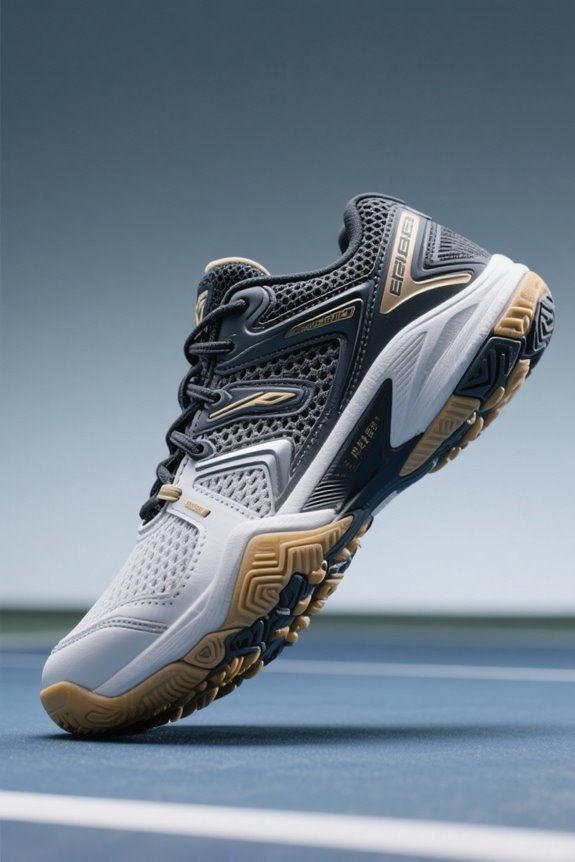
Cushioning and support are vital for players wanting to protect their joints during pickleball matches. The right footwear is essential. Shoes designed specifically for pickleball utilize advanced shoe materials and footwear technology to enhance cushioning and impact absorption. A firm midsole, typically made of EVA or PU blends, balances comfort with lateral stability. Ideally, shoes should feature multidirectional outsoles for best grip during fast movements. Look for reinforced toe caps, as they prolong durability in high-wear areas. Secure fits minimize joint movement, reducing strain. Investing in quality insoles can also address arch pain, indirectly benefiting the knees. Models with energized midsoles can reduce fatigue during extended play while providing the cushioning necessary to protect your knees. Choosing pickleball-specific footwear guarantees you tackle the court confidently while prioritizing knee health.
Recommended Products

Nike React technology is a lightweight, durable foam that delivers a smooth, responsive ride.
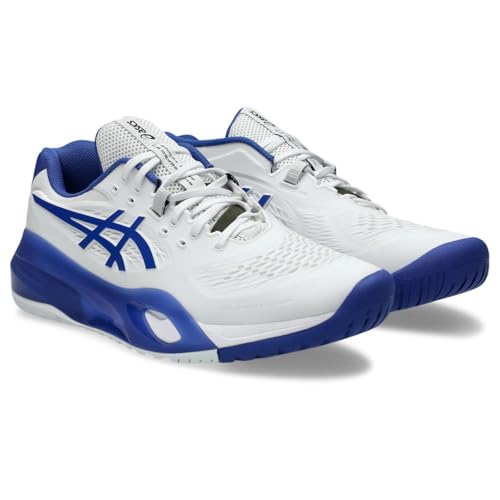
Optimises lateral movements and allows easy return to the starting position.
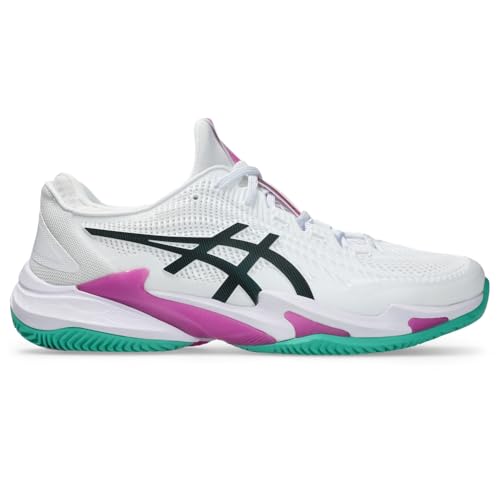
Advanced technology for superior cushioning and optimal energy return.
Importance of Movement and Technique Adaptations
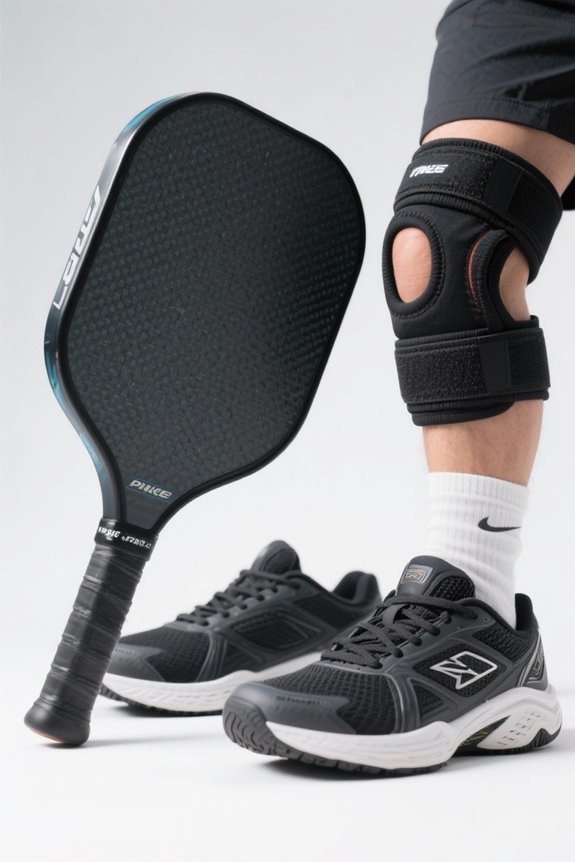
Effective movement and technique adaptations can considerably reduce the risk of knee pain in pickleball players. By focusing on proper movement patterns, players can minimize stress on their knees during play. This includes emphasizing short, controlled steps while performing balance drills to improve stability. Engaging the hips and core guarantees that the knees aren’t over-reliant for balance, which can lead to injuries. In addition, retraining running, jumping, and squatting techniques helps decrease unnecessary strain on the patella. Prioritizing these adaptations not only enhances performance but also protects against the repetitive stresses common in the game. Wearing supportive accessories like performance wristbands can help manage sweat and maintain grip stability, reducing compensatory movements that might strain your knees. Implementing these strategies can effectively contribute to long-term knee health, allowing for a more enjoyable playing experience.
Recommended Products

The Fusion OA Plus knee brace provides patients with medial compartment off-loading for unicompartmental osteoarthritis

Supports muscle and joints during activities

Sleek & strong frame made of advance composite material for a lightweight, low-profile design while maintaining maximum strength. The Human Motion hinge provides progressive motion control and mimics the anatomical motion of the knee. Flexible cuffs are designed to conform to various leg shapes and accommodate muscle movements for comfort and ease of motion. The Quick-Loc Clip System & low-profile straps anchor the brace to the leg quickly and easily. Each brace comes standard with a thick and thin condyle pad set, three pairs of tool-free extension stops and one set of tibial shims.
Utilizing Protective Gear for Knee Stability
When considering ways to improve knee stability during pickleball, utilizing protective gear can play an essential role. Various knee brace types, such as hinged braces and unloader braces, offer targeted support to prevent injuries. Hinged braces provide maximum protection for players with ligament instability, while unloader braces effectively redistribute joint load for those with chronic pain. Compression sleeve benefits include reducing swelling and enhancing joint support, allowing for extended play without discomfort. Players should guarantee a snug but comfortable fit, prioritizing breathable materials for long sessions. Regular use of knee supports can considerably minimize injury risks and maintain performance levels, helping players feel confident in their movements on the court. Similar to elbow braces that provide adjustable compression supports, knee braces with customizable fit features allow players to personalize their level of support based on activity intensity and individual comfort needs.
Recommended Products

Moderate to severe ACL instabilities

❗ MEDIUM ACL STABILIZER KNEE BRACE (RIGHT LEG): While standing, measure thigh circumference 6 inches above the kneecap for a fit of 18.5–21 inches.

ENSURE CORRECT FIT AND SIZING: With your knee slightly bent, use the center of the kneecap as your starting point and measure 5 1/2" up your thigh. Measure around thigh for circumference. Using center of kneecap for starting point, measure 4 3/4" down your calf. Measure around calf for circumference. Make sure measure tape is not too tight or too loose. Refer to sizing chart & video for correct sizing.
Injury Management Techniques for Knee Issues
Although knee pain can be a common setback for pickleball players, effective injury management techniques can greatly aid in recovery and prevention. Quick injury assessment is important to determine the severity of the pain. Ice application for 20 minutes can significantly reduce inflammation and provide pain relief. Compression wraps offer joint support while aiding in swelling reduction. Relative rest allows players to continue activity with modifications, fostering healing without complete cessation. Elevation further assists in minimizing swelling. Early intervention is essential if symptoms persist beyond two to three weeks. Engaging in physical therapy, focusing on tailored exercise regimens, provides long-term injury prevention and promotes overall knee health. Additionally, wearing shoes with responsive cushioning supports natural foot movement and helps absorb impact, reducing stress on the knees during play. These techniques are significant for maintaining active participation in pickleball.
Gradual Return-to-Play Strategies
Properly returning to play after a knee injury involves careful consideration of several factors. A thorough return assessment evaluates knee functionality and stability before re-engagement in activities. This guarantees safety and promotes a smoother recovery. Begin with strengthening exercises, like squats and leg presses, focusing on gradual progression in intensity. Incorporating supportive gear, such as knee braces, can provide additional stability during play. Similarly, ankle braces can enhance lower body support and improve overall confidence during your return to the court. It’s crucial to manage your pace, avoiding sudden movements that could strain the knee. Maintaining a positive mindset can enhance motivation and recovery. Finally, prioritize balance and proprioception training through exercises like single-leg hops to bolster stability over time. These strategies pave the way for a successful return while minimizing the risk of re-injury.
Long-Term Maintenance of Knee Health
Maintaining long-term knee health requires a proactive approach that encompasses strength training, flexibility, and proper nutrition. Regular weight training, especially targeting the quadriceps, hamstrings, and hip abductors, greatly enhances knee mobility. This stability reduces injury risk during dynamic pickleball movements. Incorporating consistent stretching routines and dynamic warm-ups guarantees flexibility, combating stiffness and improving muscle recovery. Additionally, adequate calcium and vitamin D intake plays an essential role in bone health, important for reducing fractures. Opt for court-specific footwear with good lateral support to enhance knee stability. Finally, monitoring for any signs of discomfort is vital. Early recognition of issues can prevent long-lasting damage. Maintenance strategies like these can enhance performance and promote long-lasting knee health in pickleball enthusiasts. When practicing or playing casual games, consider using a portable pickleball net that allows you to play on various surfaces, helping you choose lower-impact terrains that are gentler on your knees.
Frequently Asked Questions
How Can I Identify Early Signs of Knee Pain While Playing Pickleball?
Identifying early signs of knee pain involves monitoring discomfort indicators like stiffness, soreness, swelling, limited mobility, and pain during squatting. Implementing pain monitoring techniques during and after play helps assess potential issues early on.
What Are the Best Warm-Up Exercises Specifically for Pickleball Players?
Like a well-tuned orchestra, pickleball players benefit from a warm-up of dynamic stretches and mobility drills. High knees, lunges, lateral shuffles, and leg swings harmonize to prepare muscles, ensuring ideal performance on the court.
Are There Dietary Recommendations to Support Joint Health for Athletes?
Athletes benefit from joint-friendly foods rich in omega-3s, such as fatty fish and nuts, which reduce inflammation. Incorporating these foods into their diet supports joint health and enhances overall performance and recovery.
Can Age Affect the Likelihood of Experiencing Knee Pain in Pickleball?
Age-related factors considerably increase the likelihood of experiencing knee pain in pickleball, much like a tree with cracked bark weakening under pressure. Diminished knee strength in older players heightens injury risks, accentuating their vulnerability during play.
What Role Does Hydration Play in Preventing Knee Injuries During Play?
Hydration plays an essential role in injury prevention by maintaining joint lubrication, enhancing shock absorption, and reducing inflammation. Adequate hydration benefits overall tissue health, considerably lowering the risk of knee injuries during play.


