As an Amazon Associate, we earn from qualifying purchases. Some links on this site are affiliate links at no extra cost to you. Our recommendations are based on thorough research and editorial judgment.

Community Building Through Pickleball

Pickleball is transforming American communities through participation, inclusivity, and health benefits. With 19.8 million active players and a 311% growth since 2021, the sport bridges age gaps and fosters social bonds. Nearly 2 million teens engaged in play in 2026, while schools see a 30% increase in gym attendance. Community investments are essential for new courts, with approximately $855 million required over 5-7 years. Explore how this dynamic sport continues to strengthen community connections and promote well-being.
Key Takeaways
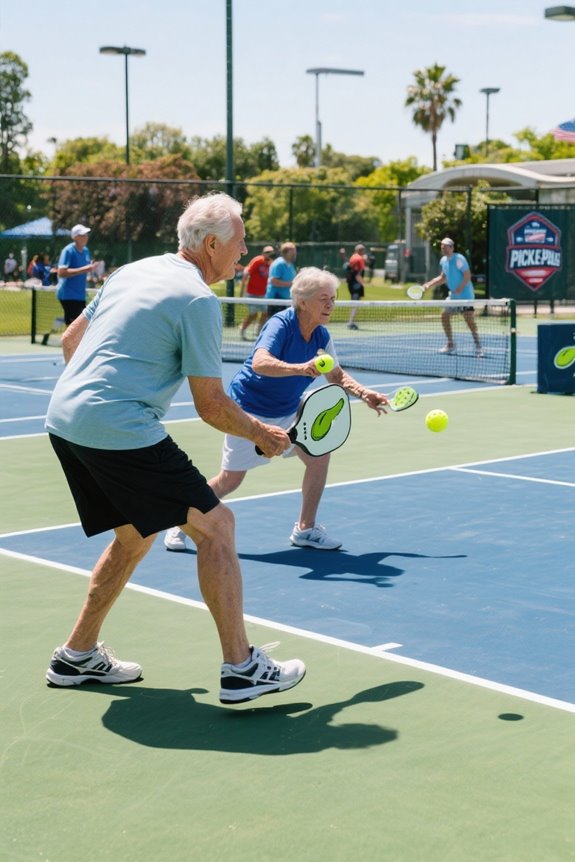
- Pickleball fosters intergenerational connections, encouraging family bonding through shared gameplay among diverse age groups and backgrounds.
- Schools incorporating pickleball in physical education enhance social connections and increase gym attendance, as seen with Lincoln Middle School’s 30% rise.
- Community events, leagues, and fundraisers driven by local advocates promote participation and strengthen bonds within neighborhoods.
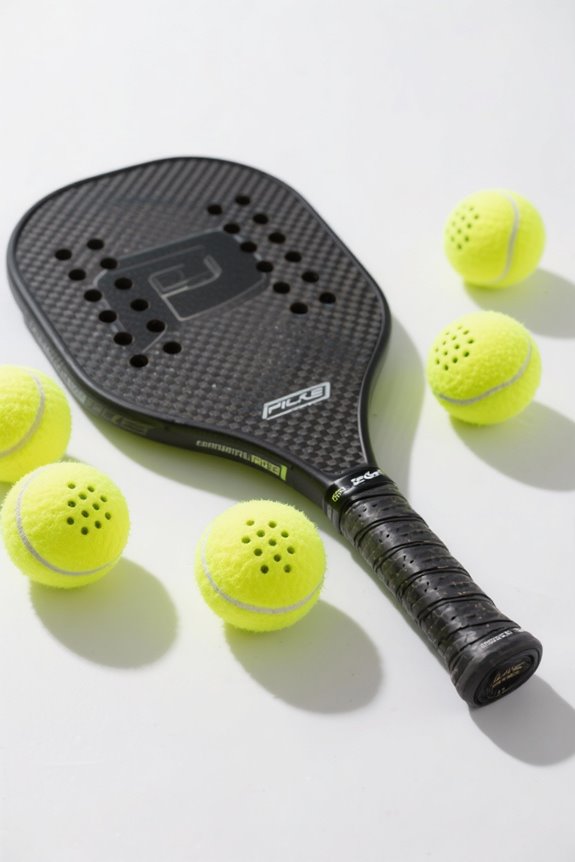
- Pickleball’s minimal equipment requirements and adaptable setups make it accessible, facilitating participation in community parks and backyards.
- Regular play contributes to improved mental health and physical fitness, creating a sense of well-being among community members.
The Rise of Pickleball in America
As pickleball continues to gain momentum across the United States, it has emerged as the fastest-growing sport, capturing the interest of millions. This rapid rise stems from its engaging blend of accessibility and social interaction, transforming pickleball from a simple backyard game into a significant cultural phenomenon. Between 2021 and 2026, participation surged by 311%, reaching 19.8 million active players. Over 48 million adults played at least once in the past year—a sizable 19% of the U.S. adult population. The infrastructure has expanded impressively, with over 68,000 courts nationwide and 130 new locations added monthly. This growth reflects not just the history of pickleball but also its role in fostering community through diverse age groups and backgrounds in shared recreational spaces. Players seeking to elevate their skills can benefit from ball machines that offer programmable drills and adjustable speeds, making solo practice sessions more effective and accessible for all skill levels.
Demographic Trends Among Players
The growth of pickleball has attracted a diverse array of players, revealing notable demographic trends that shape the sport’s landscape. While men represent 59.1% of participants, women’s involvement is increasing rapidly, with a notable 17.6% growth in gender participation. Age demographics show that the largest group of players falls between the ages of 25-34, while younger players aged 18-24 comprise 13.3%. Curiously, the 65 and older age group represents 32.7% of core players, highlighting player diversity. Regional differences also contribute to participation, with the South Atlantic boasting 2.8 million players, driving significant engagement. As players across all demographics seek to enhance their game, selecting equipment with features like expanded sweet spots and improved control has become increasingly important for maintaining competitive play. Overall, these trends illustrate pickleball’s expanding appeal across various age groups and geographic areas.
Infrastructure Development and Court Accessibility
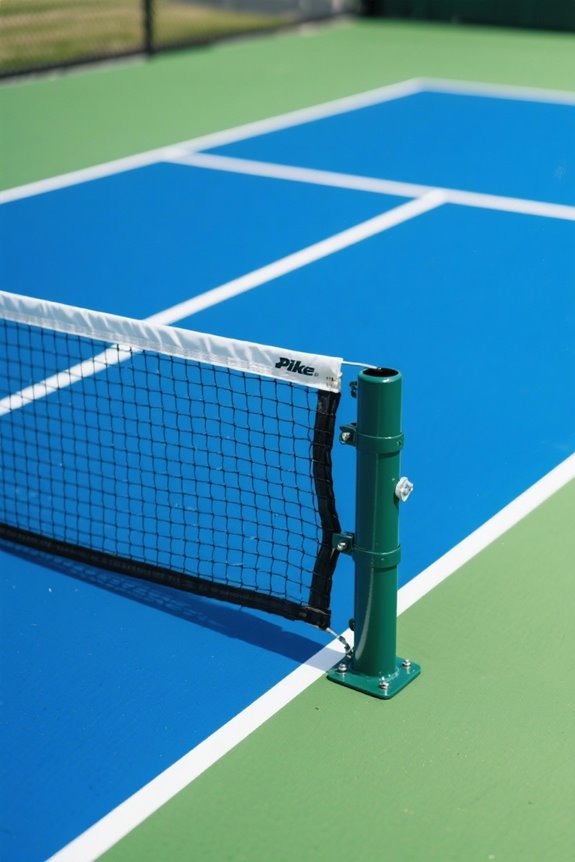
While many players enjoy pickleball’s fast-paced action, they may be unaware of the infrastructure developments that support their favorite sport. To accommodate the growing player base, court funding initiatives are crucial. An estimated investment of $855 million is needed in the U.S. over the next 5-7 years to build approximately 25,000 new courts. Although over 68,000 courts exist, accessibility issues persist, especially in major cities where dedicated court density is 92% below the national average. Facility standards are evolving, with investments exceeding $300 million in 2023, focusing on multi-court complexes and indoor facilities. These improvements aim to meet player demands and facilitate consistent participation across diverse regions, making pickleball more accessible and enjoyable for everyone. Ensuring facilities include regulation pickleball nets that meet USA Pickleball standards—22 feet wide and 34 inches high at the center—is essential for maintaining competitive play quality across all venues.
Recommended Products
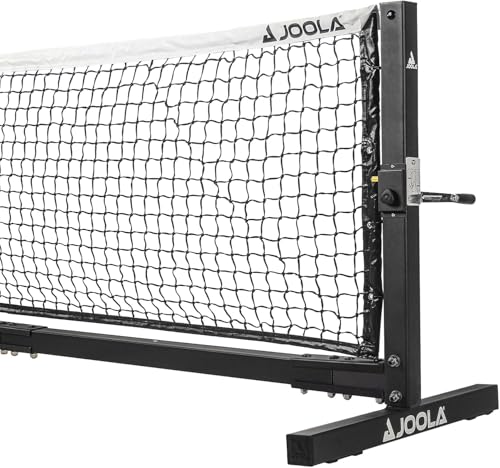
OFFICIAL PADDLE SPONSOR OF WORLD #1 PICKLEBALL PLAYER BEN JOHNS & THE PPA TOUR: An innovator & global leader in table tennis for 70+ years, JOOLA teams up with Ben Johns to create a new line of pickleball equipment that will forever change the game
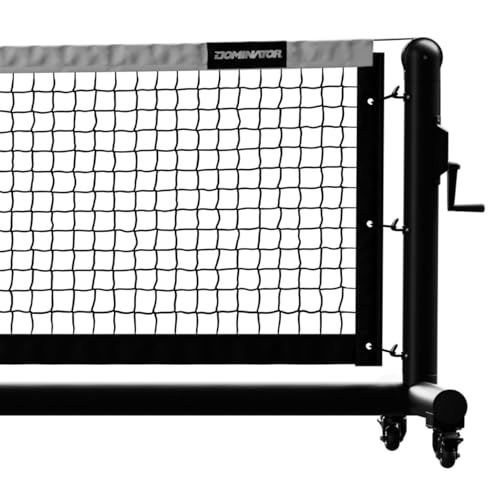
RUST PROOF & WEATHER RESISTANT: Constructed of aluminum and stainless steel making it completely water and weather resistant (Excluding Net)

PORTABLE PICKLEBALL NET SYSTEM WITH WHEELS: Seliyoo's portable pickleball net set features 304 stainless steel brackets with large locking wheels for effortless mobility between driveway, backyard, gym, and club courts. One-step locking system ensures tournament-ready stability (34" center height) during intense play - move it anywhere, lock it in seconds
The Role of Community Engagement
Community engagement plays a pivotal role in enhancing the pickleball experience and fortifying local sports culture. Local advocates drive efforts through community partnerships, organizing events, leagues, and fundraisers that boost participation. These dedicated volunteers contribute thousands of hours annually to support tournaments and clinics. Outreach strategies effectively target underrepresented groups, fostering inclusivity. They create gathering spaces that promote social interaction and neighborhood cohesion. Collaboration with city officials guarantees proper planning and funding for facilities, sustaining community growth. Additionally, pickleball’s economic impact is notable, with national events generating over $3.6 million and driving investments exceeding $150 million in local facilities. Such initiatives not only build excitement around the sport but also strengthen community ties. Investing in quality pickleball shoes ensures players can perform their best while reducing injury risk during community tournaments and recreational play.
Social Interaction and Inclusivity
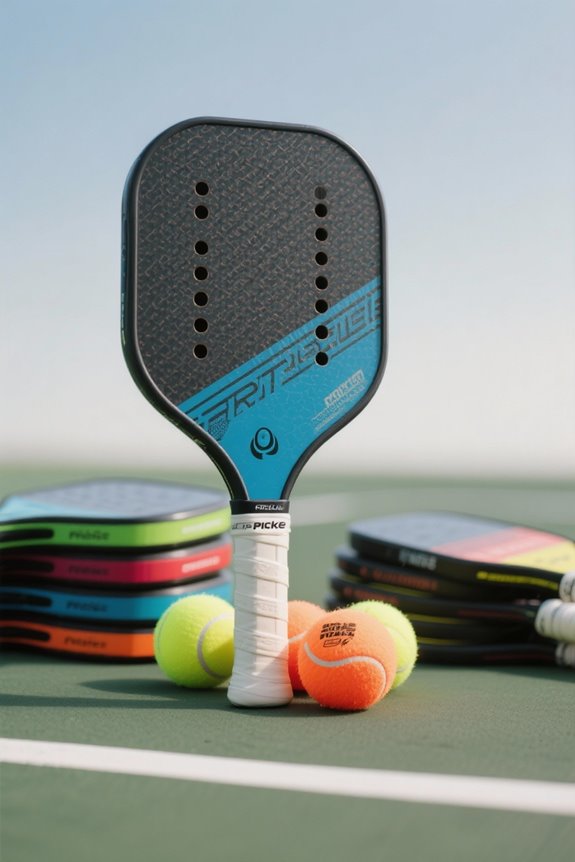
Certainly, engaging in pickleball not only enhances physical fitness but also fosters essential social interactions that contribute to community inclusivity. The sport naturally cultivates camaraderie and friendly competition among players, leading to deepened player experiences and lasting friendships. Many pickleball enthusiasts actively participate in community initiatives, forming leagues and organizing tournaments that unite diverse participants. This inclusivity spans various age groups, effectively bridging generational divides and offering accessible gameplay for everyone. The atmosphere encourages cross-cultural engagement, welcoming individuals from a range of backgrounds. Events designed for all skill levels guarantee that nobody feels excluded, making pickleball a sport that not only entertains but enriches community bonds through shared experiences and collective joy on and off the court. With USAPA approved equipment standards ensuring consistent gameplay, tournaments across the country bring communities together in a shared commitment to quality and fair competition.
Facilities That Foster Connections
As pickleball continues to grow in popularity, the development of dedicated facilities is essential for fostering connections among players. The 55% year-over-year increase in dedicated facilities reflects rising demand, providing spaces where community partnerships can flourish. Effective facility design prioritizes accessibility, ensuring locations are near residential areas and equipped with quality surfaces. Investing approximately $855 million for courts over the next 5-7 years indicates significant infrastructure needs to accommodate players of diverse backgrounds. Additionally, many courts are being repurposed from tennis and basketball to meet this demand. Just as proper support equipment enhances athletic performance, facilities should consider providing resources like ankle braces to help players prevent injuries and maintain comfort during extended play sessions. By integrating these thoughtful designs and community efforts, facilities can enhance player experiences, contribute to local economies, and promote a healthier, more connected community dedicated to the sport of pickleball.
Recommended Products

MULTIPLE WEIGHT OPTIONS: Cuff offers 20 color-coded ankle and wrist weights ranging from 0.25 lbs. all the way up to 25 lbs., making them versatile for all strength levels. Multiple weight options allow for a customized workout.

NDure upper technology designed for superior durability

Regular fit
Youth Involvement Through Schools and Colleges
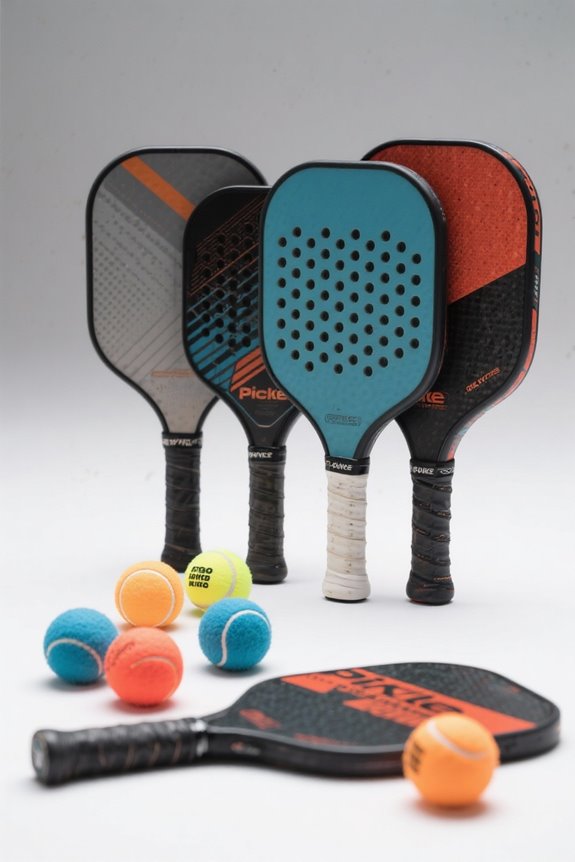
The rising popularity of pickleball has made its way into educational settings, where schools and colleges are recognizing its potential to engage youth. Pickleball integration is evident as K-12 schools adopt the sport in physical education and after-school activities, resulting in increased participation. For instance, Lincoln Middle School reported a 30% rise in gym attendance after introducing pickleball. In colleges, informal and organized play is thriving, with dedicated courts being built to meet student demand. This surge reflects a commitment to youth engagement, as nearly 2 million teens played pickleball in 2026. By fostering social connections and inclusivity, pickleball is not only enhancing physical fitness but also strengthening community bonds among youth across various educational institutions. As students advance in their skills, many invest in advanced pickleball paddles made with T700 carbon fiber, which can enhance spin by up to 40% over standard paddles.
Economic Impact of Pickleball
While many sports contribute to local economies, pickleball stands out for its impressive economic impact across various sectors. In 2022, the USA Pickleball National Championships generated about $9 million for its host city, showcasing significant local revenue from major events. With 142 tournaments planned nationwide in 2026, the sport is driving increased visitation and spending, benefiting hospitality and retail services. Additionally, the global market is projected to grow to $3.52 billion by 2032, opening up new sponsorship opportunities and boosting merchandise sales. As pickleball continues to expand, it fosters job creation in event management and sports marketing while enhancing local tourism and property values across communities. The growing equipment market, including protective accessories like paddle edge guards, contributes to increased retail sales and supports the broader economic ecosystem of the sport.
Recommended Products

Midweight Range: 7.7 – 8.1 oz. | Grip Circumference: 4 1/4" | Grip: Selkirk Geo Grip | Handle Length: 4 3/8" | Paddle Length: 15 3/4" | Paddle Width: 8"

Competition-Ready Paddle: Engineered for UPA-A and USAP PBCoR.43 events

Elongated Design for Enhanced Reach: 16.5" overall length with 11.125" x 7.5" hitting surface and 5.375" mid-length handle offers comfortable control and extra leverage for precise dinks, drives, and returns.
Professional Leagues and Tournaments
Professional pickleball leagues and tournaments are transforming the competitive landscape of this rapidly growing sport. Major League Pickleball features two levels: Premier and Challenger, accommodating 22 co-ed teams in total. The Premier Level showcases the top 96 players, emphasizing high-stakes competition. Meanwhile, the Challenger Level serves as a nurturing ground for emerging talent, allowing players to prove themselves. The National Pickleball League enhances excitement with real-time tracking of team standings. Tournament formats include co-ed team competitions and mixed doubles, ensuring dynamic matchups. With 22.7 million U.S. players and rising international interest, these professional leagues and events greatly contribute to the sport’s expanding popularity. Increased sponsorships and prize money further underscore the growing opportunities available within professional pickleball. As competitive play intensifies, professional players often select paddles with USAPA approved specifications to ensure compliance with tournament regulations.
Urban Growth and Regional Development
Urban growth and regional development have seen a notable shift with the rise of pickleball. As of 2026, the U.S. boasts over 68,000 pickleball courts, with 18,000 added in just one year. This rapid expansion exemplifies urban revitalization efforts, as cities create new recreational spaces that require less land than traditional sports facilities. The economic impact is significant, with over $855 million invested, stimulating local businesses and job creation. Municipalities benefit from increased park usage and tourism around these facilities. Urban centers like Atlanta and Seattle report that over 2% of their populations actively engage in pickleball, demonstrating its role in promoting recreational economics and attracting diverse residents to thriving communities. With approximately 85% of serious players preferring outdoor courts, cities are prioritizing durable court surfaces and equipment that can withstand varying weather conditions while maintaining optimal performance standards.
Health Benefits of Playing Pickleball
The health benefits of playing pickleball are substantial, making it an appealing choice for individuals looking to enhance their well-being. Engaging in pickleball elicits moderate to vigorous activity, with players over 60 averaging heart rates around 111 beats per minute. With just 4.5 hours of play each week, participants meet the recommended 150 minutes of moderate-intensity exercise, promoting heart health. In addition, the fitness benefits extend to improved mental health, as players often experience decreased stress and increased life satisfaction. Playing also encourages significant movement, with singles players averaging over 3,300 steps per hour. This thorough exercise supports not only cardiovascular and muscular health but also fosters social connections, making pickleball a holistic approach to enhancing overall fitness and well-being.
Recommended Products

ADJUSTABLE BALL SPEED & SPIN CONTROL: Fine-tune your pickleball sessions with adjustable ball speeds up to 65 MPH. Simulate gentle volleys to high-speed ground strokes while adding heavy topspin or backspin for competitive game situations.

📱【PUSUN App Drill Control】:Scan the QR code on the machine to download and use the PUSUN App, compatible with both iOS and Android devices. Use the App to adjust speed, feed interval, spin, height, landing points, and training modes. Practice dinks, volleys, drives, cross-court shots, deep returns, and random feeds with this automatic pickleball launcher.
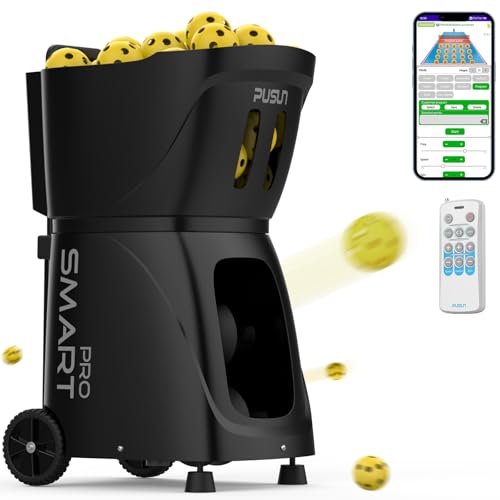
📱 APP Control Automatic Serving- Smartphone APP comprehensively adjusts speed, frequency, angle, spin and all parameters
Accessibility for All Ages
Accessibility in pickleball is an important aspect of its appeal for players of all ages. This sport attracts individuals ranging from young adults to seniors, fostering intergenerational play. With about 1 million new youth players entering the game in 2023, pickleball encourages family and community bonding. Its minimal equipment requirement—costing considerably less than many sports—further enhances accessibility, inviting involvement regardless of economic status. Courts are easy to set up and can fit into various locations, such as community parks and backyards. Additionally, the introduction of adaptive equipment and wheelchair-friendly designs guarantees that everyone can participate. These factors not only promote inclusivity but also boost community engagement in a welcoming environment for players of diverse backgrounds and abilities.
Multi-Use Facilities and Innovative Designs
Many community centers and facilities are now prioritizing multi-use designs to meet the increasing demand for versatile recreational spaces. These flexible layouts maximize space by clustering multiple courts, accommodating activities like pickleball, tennis, and basketball. Recommended dimensions of 30×60 feet per court, with additional buffer zones, enhance player safety and comfort. Innovative surface materials, such as cushioned acrylic, provide shock absorption and improve player experience. Acoustic control strategies, like sound-absorbing panels, effectively manage noise during events. Additionally, clear span structures and adaptable court markings enable seamless shifts between sports. By focusing on multi-use facilities, communities enhance engagement, ensuring these venues remain dynamic and relevant for diverse recreational needs.
Recommended Products

LONG-LASTING MATERIAL: Made of aircraft structural aluminum, eliminating rust and corrosion.

【REUSABLE - BUY ONCE, USE FOREVER】 Crafted from heavy-duty calcium phosphate hollow board, this stencil kit is engineered to withstand water, mud, and repeated use without warping or dissolving. Unlike paper or cardboard templates that fall apart after one rain. When your court lines fade after months of play, simply pull out the templates, reposition, and respray. No need to buy new stencils ever again—one investment gives you a perfect court year after year.

High-Durability Vibram Outsole - Vibram is the world leader in rubber outsole manufacturing and we have collaborated with them on our outsole design. They have formulated an X Abrade compound specific to use on painted silica grit treated pickleball courts to ensure performance grip, stability, and durability.
Building Lasting Community Bonds Through Sport
As participation in sports continues to rise, pickleball stands out as an effective medium for fostering community bonds. With its remarkable 223.5% increase in players over three years, pickleball cultivates a strong community spirit. The sport draws a diverse crowd, appealing especially to those aged 18 to 44, which enhances social connectivity. Local community centers often host pickleball sessions, serving as essential hubs for engagement. In addition, with over 16,700 courts nationwide, accessibility to these facilities strengthens intergenerational connections, appealing to both youth and seniors alike. Consequently, pickleball serves as an excellent platform for nurturing sport passion and building lasting relationships, enriching community life and facilitating genuine connections among players of different backgrounds and age groups.
Frequently Asked Questions
How Can I Start a Local Pickleball Community Group?
To start a local pickleball community group, one must focus on community outreach and effective group organization. Identify goals, secure venues, promote through social media, and host events to engage participants and build interest.
What Events Can I Organize to Promote Pickleball Locally?
What engaging activities could spark interest in pickleball? Organizing community outreach initiatives such as themed mixers, skill clinics, and night tournaments can greatly enhance promotional events, inviting diverse participants to experience the joy of this growing sport.
Are There Beginner Classes Available for New Players?
Yes, numerous class locations offer beginner classes for new players. These programs provide beginner tips on strokes, rules, and gameplay, ensuring a supportive environment for skill development and community engagement in the sport.
How Do Pickleball Tournaments Support Local Charities?
Biting the bullet, pickleball tournaments bolster local charities through strategic tournament partnerships and effective fundraising strategies. By engaging participants, businesses, and communities, these events raise significant funds and amplify awareness for various charitable causes.
What Are Some Recommended Pickleball-Related Social Activities?
Recommended pickleball-related social activities include organizing pickleball potlucks to share food and foster interaction, along with court clean-ups that promote community pride, enhance player relationships, and contribute to the overall maintenance of shared spaces.