As an Amazon Associate, we earn from qualifying purchases. Some links on this site are affiliate links at no extra cost to you. Our recommendations are based on thorough research and editorial judgment.

Tennis Fashion Evolution Over Decades

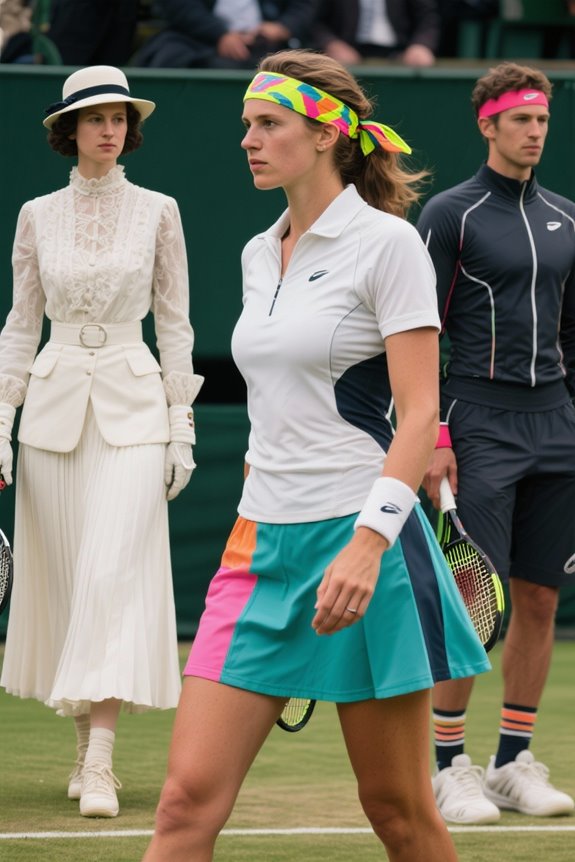
Tennis fashion has transformed dramatically from elegant Victorian whites to today’s high-performance athletic wear. The 1920s featured long skirts and formal attire, while the 1970s introduced bold colors and shorter hemlines. The 1980s brought neon patterns and headbands, followed by the sleek, technical fabrics of the 2000s. Modern tennis fashion combines cutting-edge moisture-wicking materials with sophisticated designs, emphasizing both functionality and style. This evolution reflects changing social norms, technological advances in textile engineering, and the sport’s journey from exclusive country clubs to global athletic competition, showcasing how performance needs and fashion trends continually reshape tennis apparel.
# Tennis Fashion Evolution Over Decades
Tennis fashion has evolved considerably over the decades. Early styles were influenced by Victorian modesty, featuring long gowns that restricted movement. The 1920s brought calf-length skirts, enhancing player mobility. Men’s apparel changed to comfortable shorts and lightweight fabrics by the mid-20th century. In recent years, sustainability has gained importance, with eco-friendly materials becoming standard. Today, designs integrate performance and individuality, reflecting the diverse expression of players. Understanding these shifts can reveal intriguing insights into the sport’s culture.
Key Takeaways
- Early women’s tennis attire was influenced by Victorian fashion, featuring long gowns and heavy fabrics that limited movement and performance.
- The 1920s saw a shift to practical, feminine styles with shorter skirts and sleeveless tops, reflecting women’s empowerment in sports.
- Men’s tennis fashion evolved in the mid-20th century toward casual styles, emphasizing comfort with lightweight shirts and shorts.
- The 1970s introduced bold designs and graphic prints, challenging traditional attire and allowing players to express individuality on the court.
- Modern tennis fashion combines high-tech materials with a focus on sustainability, leading to eco-friendly practices and customizable apparel.
Early Tennis Fashion: The Victorian Influence
In the sphere of early tennis fashion, the Victorian influence shaped not only how women dressed but also how they engaged with the sport. Women’s tennis attire adhered to Victorian modesty, characterized by long, full-length gowns made of white fabric. These garments, featuring high collars and long sleeves, imposed significant athletic restrictions that limited movement essential for effective play. Heavy, starched materials added weight, effectively stifling performance. Despite these fashion expectations, some women, like Maud Watson, excelled in tennis, highlighting the historical significance of early female athleticism. The prioritization of decorum over practicality illustrated society’s rigid views on femininity, setting a complex precedent for women’s sports that balanced tradition with emerging competitive spirit on the court. Today’s tennis dresses have evolved dramatically, now incorporating moisture-wicking fabrics and built-in shorts that prioritize both performance and comfort on the court.
The Dawn of Modernity: Feminine Practicality in the 1920s
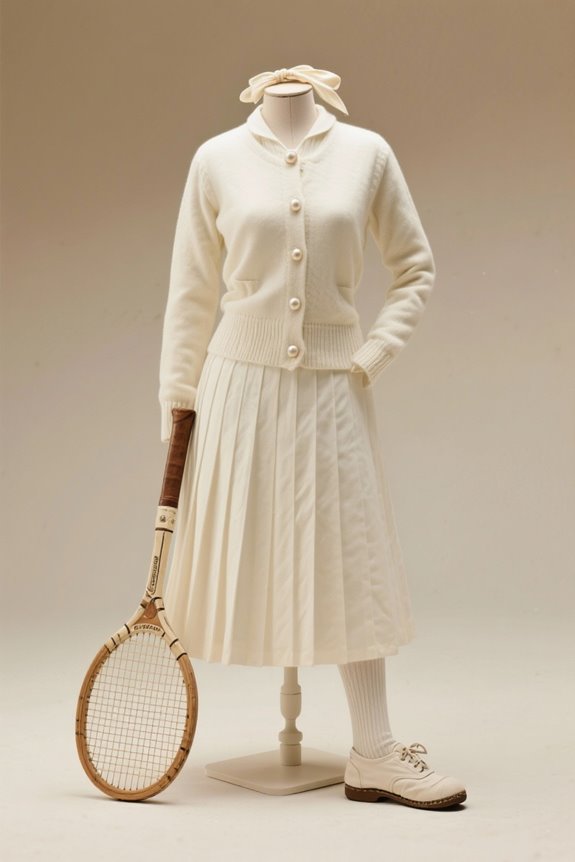
Emerging from the constraints of the Victorian era, the 1920s marked a significant shift in women’s tennis fashion. With figures like Suzanne Lenglen leading the way, feminine empowerment and fashion expression became integral to the sport. Lenglen’s calf-length skirts and sleeveless blouses allowed for increased mobility, replacing constricting corsets. Her influence turned tennis attire into a statement of comfort and freedom, drawing large crowds at events like Wimbledon. Accessories, such as flapper-style headbands and decorative bandeaus, further defined this era. The adoption of higher hemlines and flexible garments symbolized a change toward practicality in women’s sportswear. This revolution in tennis fashion laid the foundation for future styles, directly impacting how women engaged with the sport. Modern players continue to benefit from lightweight designs that reduce strain and improve agility on the court.
Shifts in Men’s Apparel: Comfort and Casual Style
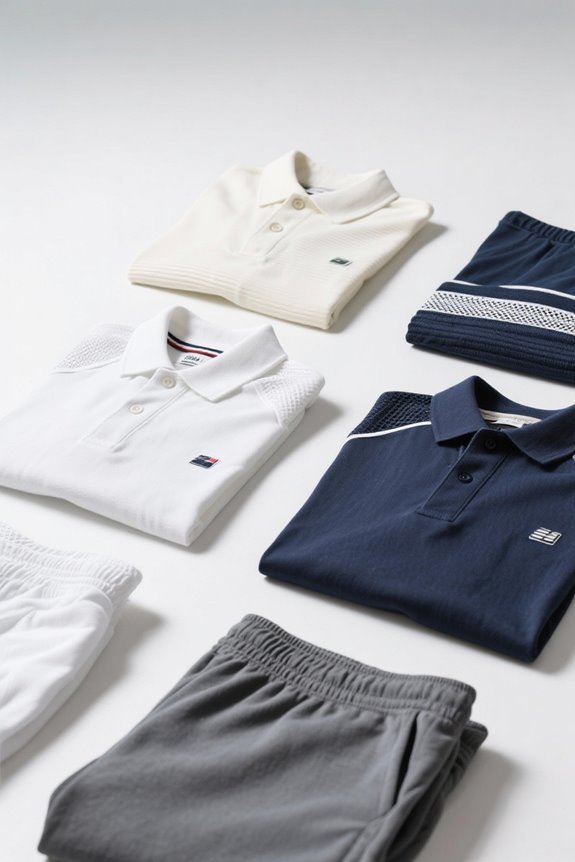
As tennis evolved in the mid-20th century, men’s apparel began shifting towards a focus on comfort and casual style. The introduction of brands like Adidas and Nike revolutionized footwear and apparel, prioritizing performance alongside a sporty aesthetic. Casual silhouettes, including shorts and lightweight shirts, became standard, creating a relaxed environment on the court. The influence of players like John McEnroe further popularized colorful designs, bridging the gap between sport and everyday wear. As players embraced advanced fabrics, like moisture-wicking materials, their movement became more fluid and comfortable. Modern tennis shoes now incorporate technologies like Cloudfoam cushioning and breathable mesh uppers, ensuring optimal comfort during extended play. Ultimately, these changes not only enhanced performance but also reflected a broader societal shift towards inclusivity, making tennis fashion accessible and appealing to a wider audience.
The Late 1940s and 1950s: Tailored Elegance
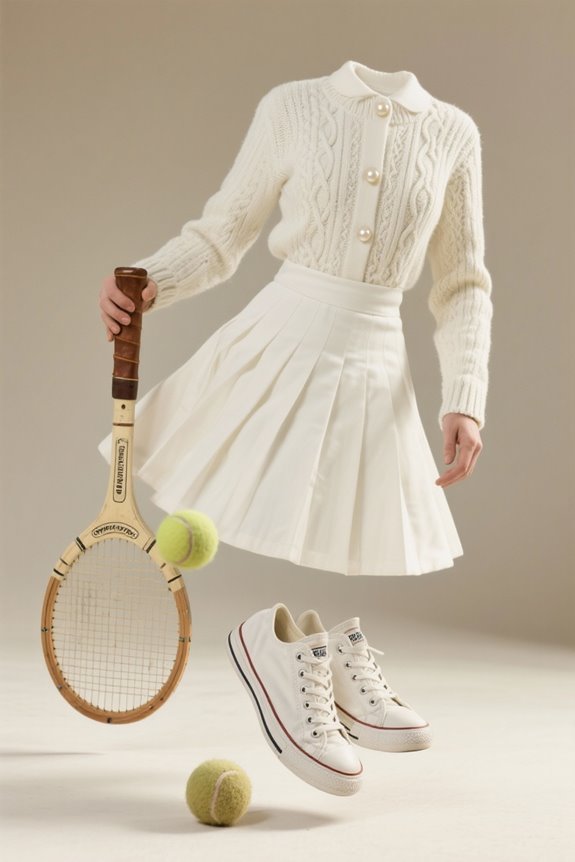
Tennis fashion in the late 1940s and 1950s marked a significant evolution towards tailored elegance, particularly for women. This era saw the emergence of tailored silhouettes that accentuated the female form, making powerful statements on the court. Icons like Gussie Moran wore daring outfits with ruffles and lace details, introducing a unique blend of artistry and sport. Maureen Connolly showcased cinched waists and pleated skirts, embodying 1950s femininity and sophistication. In addition, decorative cardigans added layers of style, while high-waisted shorts worn by Pauline Betz balanced athleticism with elegance. This tailored approach not only transformed players’ appearances but also shifted cultural perceptions, enhancing the allure of women’s tennis and its fashion influence beyond the sport. While style remained paramount, players also needed proper arch support in their footwear to maintain comfort and performance during long matches on the court.
Introduction of Breathable Fabrics: The 1960s Revolution
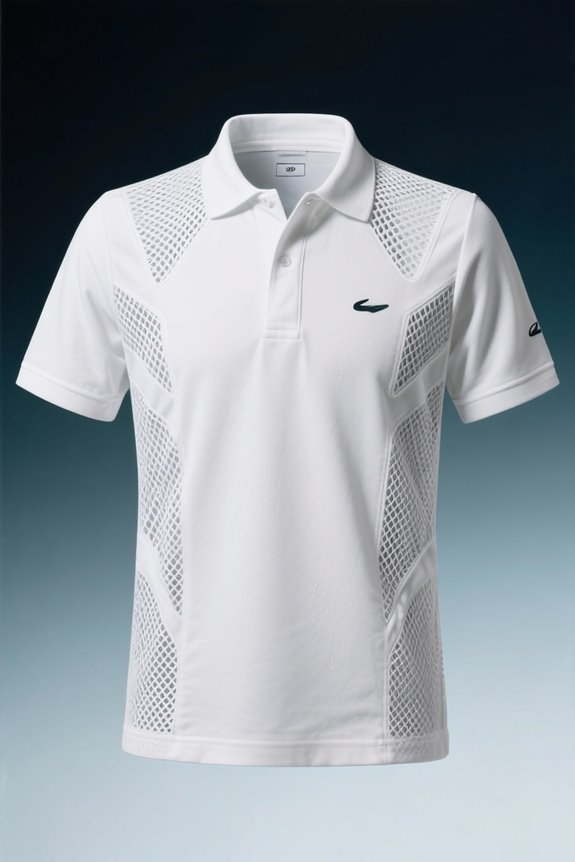
The 1960s marked a pivotal transformation in tennis attire, particularly with the introduction of breathable fabrics that revolutionized players’ experiences. This era saw the emergence of man-made materials like nylon and polyester, replacing heavy cotton. These fabric advancements offered immense breathable benefits, enhancing comfort and moisture control during matches. Pioneering designers, such as Ted Tinling, introduced stylish, functional pieces that allowed for greater flexibility and reduced overheating. Iconic players like Billie Jean King showcased these innovations, blending aesthetics with performance. The lightweight, drip-dry textiles minimized water retention, enabling improved agility and endurance on the court. Modern tennis footwear continues this legacy of breathability, with contemporary designs featuring breathable mesh materials that enhance airflow and keep feet cool during extended play. As breathable fabrics became standard in tennis wear, they set the stage for future developments, transforming the landscape of athletic fashion.
Recommended Products

Comfortable Fabric:The cool, breathable and high strentchy casual shirt is just as easy and comfortable as a tee, but looks a notch more put together.

Master every seasonal challenge with the most versatile outer shell ever devised. The Delta Pro Wading Jacket delivers rugged, waterproof breathable protection in an uninsulated design easily partnered with other system layers.

Waterproof breathable and windproof protective outer shell with fully taped seams. PFAS Free.
The Bold and Graphic: 1970s Tennis Style
Bold and expressive, the 1970s transformed tennis fashion into a vibrant statement of individuality. This decade saw a significant shift from traditional whites to colorful patterns and graphic prints. Mid-thigh hemlines revealed more skin, exemplified by Chris Evert’s frilly pink bloomers, which celebrated femininity on the court. Pioneering designer Ted Tinling played an important role, designing custom dresses that merged aesthetics with practicality. These designs allowed players greater freedom of movement, essential for aggressive play. With sporty elements incorporated into dresses, tennis attire became more functional and empowering. The 1970s marked a significant evolution in women’s sportswear, challenging gender norms and embracing both style and performance in a bold, new way. Just as equipment innovations like synthetic gut strings enhanced playability and comfort for players of all skill levels, fashion advancements in this era prioritized both performance and personal expression on the court. Each outfit made striking fashion statements, bridging style with athletic competence.
The Impact of Technology: 1990s Fashion Innovations
In the 1990s, a wave of innovation swept through the world of tennis fashion, fundamentally altering how players approached their game and their style. Technology advancements in fabrics introduced moisture-wicking materials like polyester and Lycra, revolutionizing sweat management. This enhancement allowed players to stay comfortable and perform better during matches. Form-fitting garments, made possible by stretchable fibers, improved agility on court. Additionally, major fashion branding efforts from companies like Nike and Adidas boosted visibility and performance-oriented designs. Players like Andre Agassi popularized vibrant, tech-enhanced styles that combined functionality and flair. Lightweight shoes with advanced cushioning and ankle support further contributed to injury prevention, showcasing how technology transformed tennis apparel and footwear in this dynamic decade.
Recommended Products

Authentic Aelfric Eden Brand: Crafted by the iconic streetwear label Aelfric Eden, this tee features exclusive graphic detailing on the chest for a bold, recognizable look.

Coolness Fabric: breathable, comfortable, lightweight, durable, moisture wicking. Fast drying, No fading, wrinkle free in water and after washing. Always keep bright and colorful.

The slim fit of this jersey creates a sleek, tailored silhouette. adidas AEROREADY technology absorbs moisture to keep the body dry in any setting. Jeremy Scott's bold allover print adds vibrant energy inspired by '90s art and club culture.
Collaborative Efforts: Designers and Players Unite
Collaboration between designers and players has transformed tennis fashion into a dynamic blend of performance and personal expression. Historically, early player-designer collaborations set the stage for fashion innovation on the court. Suzanne Lenglen’s partnership with Jean Patou in the 1920s exemplified this approach, merging haute couture with sportswear. In later decades, Ted Tinling’s theatrical designs for Billie Jean King added flair, while Nike’s collaborations with athletes like Federer and Williams manifested strategic brand partnerships. Today, emerging stars like Coco Gauff collaborate closely with sponsors, shaping their gear’s fabric and aesthetic. These partnerships increasingly emphasize Air Zoom technology and other performance-enhancing features that provide energy return and comfort during competitive play. These collaborations reflect a broader trend where player input considerably influences fashion, showcasing athleticism through innovative designs that resonate well beyond the tennis world.
Entering the 21st Century: Fashion Meets Function
The 21st century marked a pivotal shift in tennis fashion, where performance and style began to coexist harmoniously. High-tech materials became essential, with moisture-wicking fabrics keeping players cool, while compression gear supported muscles and reduced fatigue. Lightweight and breathable, these innovative materials facilitated comfort during intense matches. Players now enjoyed fashionable functionality, integrating bold designs with cutting-edge technology. For example, the rise of smart textiles enabled monitoring of biometric data, enhancing training insights. Collaborations between players and designers further customized apparel, allowing for personal expression on the court. Modern technologies like CLIMACOOL and AEROREADY have become industry standards, actively managing sweat and enhancing breathability to maintain peak performance throughout extended matches. With striking visuals and ergonomic designs, tennis fashion now reflects a blend of performance needs and individual style, making a powerful statement in contemporary sportswear.
Recommended Products

UA Storm technology repels water without sacrificing breathability

Strobel Construction - The upper is stitched directly to the last to grant higher flexibility and support.

UPPER MATERIAL – Full-grain leather vamp and 12" shaft
Embracing Sustainability: Eco-Friendly Fabrics
As the focus on environmental responsibility grows, the tennis apparel industry is increasingly turning to eco-friendly fabrics. Sustainable sourcing practices now include certifications like OEKO-TEX® and bluesign®, ensuring materials meet high environmental and labor standards. For instance, organic cotton uses 91% less water and 62% less energy than conventional cotton, promoting biodiversity and reducing pollution. In addition, brands are incorporating recycled synthetic fabrics, which now represent 89% of some production lines. The sustainable fabrics market is projected to soar to over USD 115.72 billion by 2035, driven by consumer demand and technological advances. Circular economy initiatives, such as Nike’s repurposing of plastic bottles, highlight the industry’s commitment to reducing waste while emphasizing the importance of eco-friendly fibers in modern tennis wear. Similarly, tennis equipment manufacturers are adopting multi-pack options that significantly reduce packaging waste and carbon emissions, demonstrating that sustainability extends beyond apparel to all aspects of the sport.
Recommended Products

INNOVATIVE & NANO-TECHNOLOGY - Suitable for pole dancers who struggle with sweaty palms, slipping on the spinning pole and reduced confidence due to difficulty with grip. It is also proven extremely useful for rock climbing, golf, weight lifting and many other sports. The two sides of the pillow work together to provide an extra layer of grip to make sure that you aren’t going anywhere!
SIZE UP: If you hesitate between two sizes, we recommend choosing a larger size than your usual size.

Fleece interior with performance rating: 3000K Water Proof / 6000K Breathability
Breaking Gender Norms: Diversity in Tennis Fashion
In the evolving landscape of tennis fashion, breaking gender norms has become a focal point for both players and fans. This shift traces back to Suzanne Lenglen’s innovative designs in the early 20th century, moving from restrictive clothing to functional styles. The 1970s saw Rachel King embodying empowerment through vibrant outfits, symbolizing a broader fight for gender equality. By the 1980s, outfits like Anne White’s daring catsuit showcased a unique blend of gender expression and individuality. Today, icons like Serena Williams and Naomi Osaka challenge conventional aesthetics, integrating cultural influences into their attire. Modern tennis apparel prioritizes moisture-wicking fabrics and racerback designs that enhance performance while allowing athletes to express their personal style. This transformation emphasizes personal style and promotes diversity, marking a significant change in how athletes express themselves beyond traditional gender constraints.
Wimbledon’s Strict Adherence: The All-White Tradition
While many tennis tournaments embrace vibrant colors and diverse styles, Wimbledon steadfastly upholds its iconic all-white dress code. Established in 1877, this dress code history began as a practical choice to hide sweat stains. By the 1960s, the all-white tradition formalized, symbolizing elegance and conformity. Over the years, rules surrounding white uniformity have tightened, with restrictions on color trims implemented in 1993. Certain exceptions were made, such as allowing dark undershorts for women in 2022, prioritizing player comfort. The all-white rule not only reflects Wimbledon’s aristocratic roots but also enhances its prestigious image. Nonetheless, the strict adherence elevates Wimbledon above others, maintaining a unique cultural identity in the world of tennis fashion.
Recommended Products

BRILLIANT LAB GROWN DIAMOND TENNIS BRACELET – Available in 1.00 carat, 2.00 carat, and 3.00 carat total weight, featuring perfectly matched round lab grown diamonds with F-G color and VS clarity for exceptional brilliance, fire, and sparkle. A timeless diamond tennis bracelet for women designed for everyday luxury and special occasions
Brilliant Lab Grown Diamonds – Available in 1ct, 2ct, and 3ct F-G/VS round cut lab grown diamonds, delivering exceptional sparkle and brilliance

DIAMONDS AND STERLING SILVER — 3.00 ct. t.w. bezel-set diamond tennis bracelet in sterling silver. Round brilliant-cut diamonds. Polished finish. 7 in. long. 3/16 in. wide. Figure 8 safety. Push-button clasp.
The Future of Tennis Fashion: Trends and Predictions
Tennis fashion is poised for an exciting transformation as innovations in materials and styles capture the essence of modern athletes. The next decade will see the rise of smart textiles, integrating adaptive temperature control and performance-tracking sensors within apparel. Brands like Asics and Wilson lead this shift, enhancing comfort and recovery for players. Alongside these advances, sustainable materials are becoming essential, with companies like Adidas and Nike focusing on eco-friendly fibers and recycled components. This trend responds to consumer demand for ethical production practices. As tenniscore styles and bold color palettes emerge, outfits will blend retro influences with cutting-edge functionality. Expect vibrant, energy-filled designs to take center stage both on and off the court, appealing to a diverse audience.
Frequently Asked Questions
How Do Socio-Political Changes Influence Tennis Fashion Trends?
Socio-political changes shape tennis fashion trends considerably; for instance, 75% of female players adopt attire reflecting cultural movements and gender equality, creating fashion revolutions and political statements, ultimately redefining norms and expectations within the sport.
What Role Do Sponsorships Play in Athletes’ Fashion Choices?
Sponsorships markedly influence athletes’ fashion choices, as brand partnerships dictate apparel selections. Athlete endorsements create a balance between personal style and sponsor identity, shaping public perception while generating substantial financial support for the players.
Which Fashion Designers Have Most Influenced Tennis Attire Recently?
Recently, Prada and Chanel have dominated tennis attire, merging celebrity collaborations with innovative materials. Their pieces shimmered on runways, enchanting audiences and seamlessly blending luxury with athleticism, creating a stylish synthesis of sport and high fashion.
How Has Tennis Fashion Responded to the Rise of Athleisure?
Tennis fashion has embraced athleisure by integrating casual comfort and performance materials, adopting lightweight, moisture-wicking fabrics. This shift emphasizes mobility, allowing athletes to express individuality while merging on-court attire with everyday sportswear aesthetics.
What Impact Does Social Media Have on Tennis Fashion Visibility?
In a digital garden where influencers blossom, social media amplifies tennis fashion visibility through vibrant collaborations and innovative marketing campaigns. This fertile ground nurtures brand awareness, transforming athletic attire into coveted fashion statements embraced by a broader audience.