As an Amazon Associate, we earn from qualifying purchases. Some links on this site are affiliate links at no extra cost to you. Our recommendations are based on thorough research and editorial judgment.

Core Exercises That Improve Tennis Power

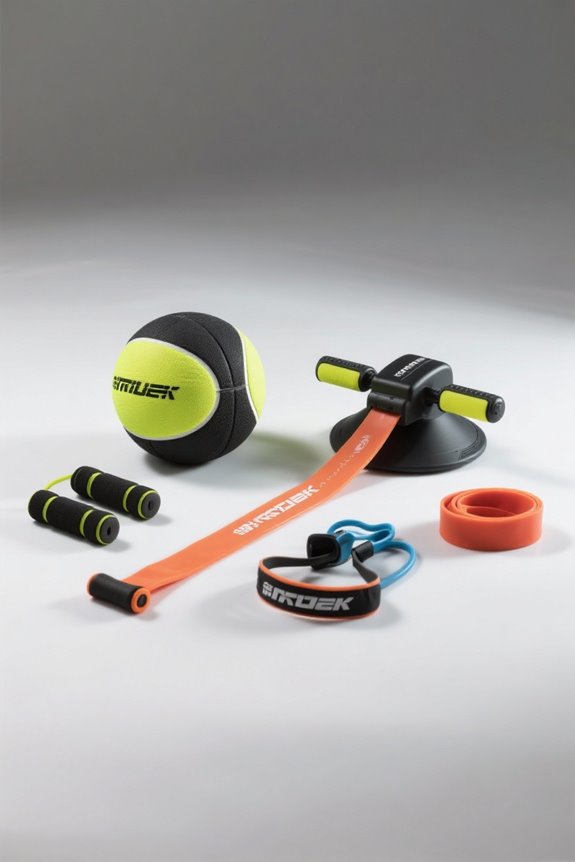
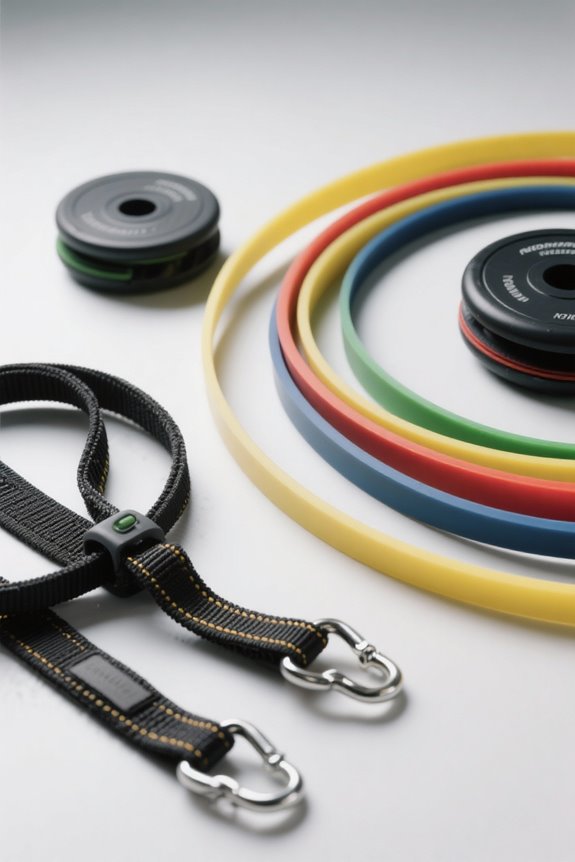
Professional studio photograph showcasing essential tennis training equipment on pristine white background. Featured items include premium medicine balls, resistance bands, stability trainer, and core strengthening tools arranged in balanced composition. Studio lighting creates soft, dimensional shadows while highlighting equipment textures and vibrant colors. Sharp focus emphasizes superior product quality and craftsmanship. Commercial-grade photography captured at 8k resolution displays professional sports gear in clean, minimalist e-commerce style. Centered placement ensures optimal product visibility for high-end athletic equipment catalog presentation, demonstrating tools used by athletes to develop explosive rotational power and court performance.
# Core Exercises That Improve Tennis Power
Core exercises greatly bolster your tennis power by enhancing strength, stability, and agility. Key movements include planks, Russian twists, and medicine ball slams. These dynamic and rotational workouts engage core muscle groups, optimizing energy transfer for powerful strokes. A consistent regimen not only boosts serve speed but also minimizes injury risks. Setting aside time to incorporate these exercises into your routine will yield impressive results on the court. Discover further insights into effective training techniques.
Key Takeaways
- Incorporate dynamic exercises like medicine ball slams and rotational throws to enhance explosive core force and shot power in tennis.
- Utilize stability challenges such as planks and mountain climbers to build overall core strength and improve balance during intense play.
- Perform rotational drills like cable chops to strengthen core connectivity and increase racket speed for powerful serves and strokes.
- Regularly integrate plyometric training to boost reactive core power and improve agility for quick directional changes on the court.
- Track progress through time holds and repetitions to monitor improvements in core strength and its positive impact on tennis performance.
Importance of Core Strength in Tennis
The importance of core strength in tennis cannot be overstated. A strong core muscle notably enhances tennis performance by facilitating energy transfer from the ground to the upper body. This process increases stroke power and racket speed, essential for powerful serves and decisive shots. Strong core stability minimizes kinetic chain weaknesses, reducing energy loss during each stroke. Efficient core activation is especially crucial for the explosive rotational movements required in modern tennis, like serves and groundstrokes. Additionally, consistent core training promotes agility, allowing players to quickly change direction without losing balance. Just as hybrid tennis strings combine materials to optimize power transfer and control, a well-conditioned core integrates multiple muscle groups to maximize energy efficiency throughout each stroke. Consequently, players who prioritize core strength will notice improved movement, greater shot accuracy, and enhanced overall performance on the court, establishing a solid foundation for success in competitive play.
Understanding the Core Muscle Groups
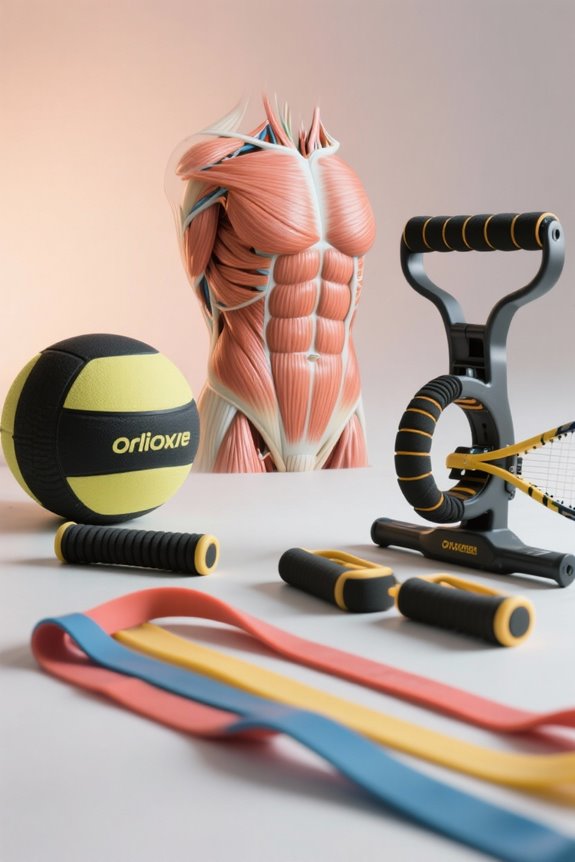
Core muscles serve as an essential foundation for peak tennis performance. The core muscle anatomy encompasses more than just the abdominal muscles; it includes crucial structures that stabilize the spine and pelvis, such as the rectus abdominis, obliques, and erector spinae. These muscles collaborate with hip flexors and extensors to enhance tennis movement dynamics, ensuring stability and fluidity during play. Weakness in any core muscle group can lead to compromised energy transfer and decreased performance. For instance, the transverse abdominis wraps around the torso, aiding in spinal stability and protecting against injury. To excel on the court, players must understand and strengthen these critical muscle groups to boost power, balance, and overall athletic efficiency. Additionally, maintaining proper stability and movement requires wearing footwear with adequate cushioning that absorbs shock and reduces joint impact during explosive movements on the court.
Dynamic Core Exercises for Power
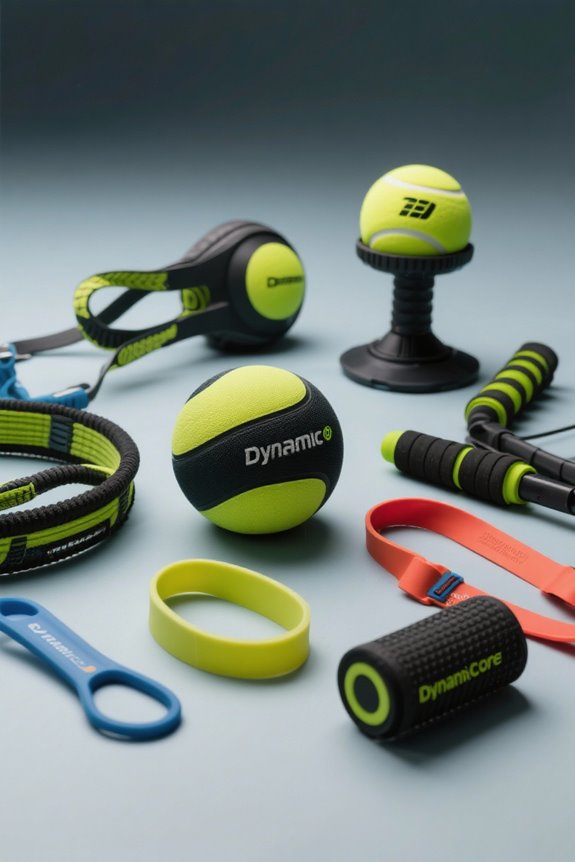
To enhance power on the tennis court, athletes should incorporate dynamic core exercises into their training regimen. Med ball drills, such as slams and rotational throws, effectively improve explosive core force essential for shot acceleration. Additionally, plyometric exercises enhance reactive core power, crucial for dynamic movement patterns during matches. Stability challenge exercises, including dynamic planks and mountain climbers, develop core strength while improving balance and coordination. By employing high-velocity movements in these routines, players can increase fast twitch muscle fiber recruitment. Consistent practice of these exercises not only builds explosive strength but also enhances overall performance, making dynamic core training critical for successful tennis athletes aiming to elevate their game. For players seeking to maximize training efficiency, portable tennis ball machines with customizable drill settings can complement core workouts by allowing solo practice sessions that reinforce the power generated through strengthened core muscles.
Recommended Products
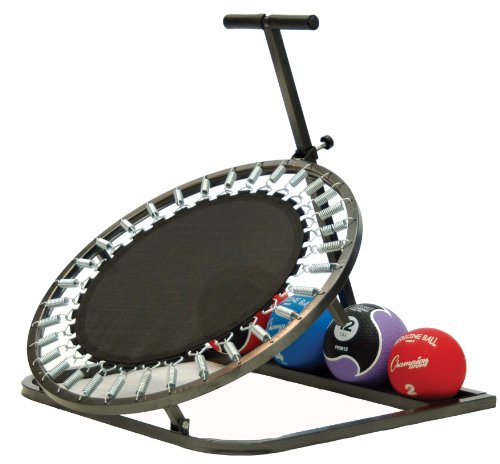
28" diameter multi-purpose rebounder is perfect for medicine ball beginner and rehabilitation exercises

MEDICINE BALL REBOUNDER TRAINER – Designed for explosive strength training, this medicine ball rebounder supports overhead throws, sit-up tosses, core drills, and dynamic rebound exercises.
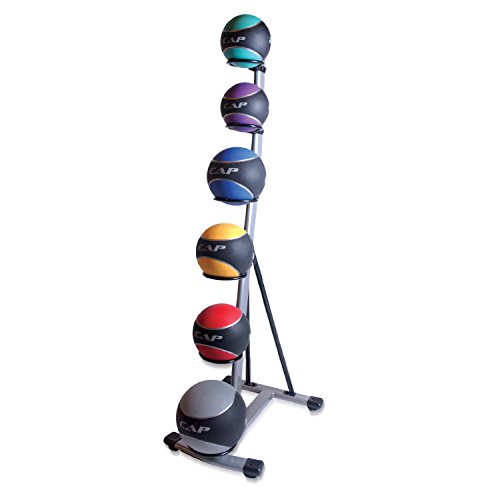
CONSTRUCTION – Unique textured gripping surface for better control during use; The two tone colors with silver accents will add personality to any workout area; NOTE: Item may ship in more than one box and may arrive separately
Rotational Exercises for Tennis Athletes

Rotational exercises hold tremendous value for tennis athletes looking to boost their on-court performance. These exercises enhance rotational stability and core connectivity, directly impacting shot velocity. Elite players often display superior trunk rotational strength compared to novices, leading to increased power in serves and groundstrokes. Balanced rotational strength between both sides reduces the risk of injury, preventing muscular imbalances. Effective movements include medicine ball throws and cable chops, which develop explosive power essential for competitive play. Additionally, drills like Russian twists and anti-rotation exercises build core strength while ensuring proper spinal stability. Prioritizing rotational training not only improves performance but also fosters essential mobility and flexibility, guarding against potential injuries during intense matches. Just as proper footwear with herringbone patterns provides superior traction for lateral movements on court, rotational training enhances stability during the explosive pivots required in tennis.
Recommended Products

Mega soft medicine balls- 4 ,6, 8, 10, 12, 14, 16, 18, 20, 22, 25 lbs

Ideal for abdominal training, rotational movement and strength training

Ideal for abdominal training, rotational movement and strength training
Neuromuscular Training for Enhanced Performance
In tennis, enhanced performance depends on the intricate connection between the nervous system and the muscles. Neuromuscular training (NMT) focuses on these connections to improve performance metrics such as speed, agility, and muscular power. Implementing NMT interventions, like plyometric and core stability exercises, has been shown to yield significant neuromuscular adaptations, even in young athletes. After just six weeks of focused training, players can see noticeable improvements in sprint performance and dynamic balance. Coaches should customize NMT programs based on age and skill level to maximize effectiveness. Regular integration of NMT with tennis practices leads to sustained performance gains. Ultimately, well-structured NMT not only enhances on-court performance but also contributes to injury prevention. Players should also ensure they wear tennis shoes with proper arch support and cushioning to reduce strain during high-intensity training sessions.
Functional Core Training Techniques
Functional core training techniques harness the power of the core to enhance tennis performance effectively. These exercises focus on integrated movement rather than isolated strength, reflecting the actual demands of the sport. For instance, incorporating rotational power through medicine ball throws mimics strokes and aids in developing dynamic flexibility. Ground-based exercises like dead bugs and glute bridges improve proximal stability for distal mobility, essential for powerful serves and groundstrokes. Including lateral trunk flexion drills, such as side planks with leg lifts, enhances control during play. Additionally, balancing on a single leg enhances core strength, mirroring the unpredictable nature of matches. By emphasizing these functional techniques, players can mitigate injury risks while boosting their on-court explosiveness. Just as proper tension maintenance in strings ensures consistent racquet performance, maintaining core stability through functional training provides the foundation for reliable power generation throughout a match.
Plyometric Exercises for Explosive Power
Plyometric exercises are fundamental for developing explosive power on the tennis court. These explosive drills train muscles to harness their natural elasticity, enabling rapid and powerful movements important for winning points. Plyometric variations, such as frog jumps and clapping pushups, mimic tennis-specific actions, enhancing the transfer of power from the lower to the upper body. This improves your speed and agility, essential for fast sprints and directional changes. Incorporating these drills boosts vertical jump performance, crucial for serves and overheads. In addition, these exercises increase muscular efficiency, reducing fatigue during matches. With the right plyometric training, players can experience significant improvements in court coverage and shot execution, ultimately enhancing overall performance. Maintaining proper grip stability during these explosive movements is essential, as it ensures you can transfer the power generated through your core and legs into controlled, forceful shots.
Resistance Training and Its Impact on Tennis
Effective resistance training can greatly enhance a tennis player’s performance on the court. Studies reveal that resistance training produces a significant increase in serve speed, highlighting its resistance benefits. Players who engage in multimodal training can experience even greater improvements. A 6-week program focusing on elastic resistance significantly increased serve velocity by 5% in junior players. Additionally, resistance training strengthens muscles, reducing the risk of common injuries like sprains or strains. Enhanced muscular endurance through a structured training frequency allows players to sustain performance throughout matches, delaying fatigue. To further protect against injuries to wrists and elbows during intense play, consider using equipment that provides vibration absorption to reduce impact stress on joints. Overall, integrating resistance training into your routine not only boosts power but also fortifies injury resilience, leading to more consistent and safer play on the court.
Recommended Products

100% PURE MULBERRY SILK: Mulberry silk is a natural protein fiber with 18 types of amino acids, which fits the human skin. Mulberry silk has excellent breathability and temperature regulation functions, making it warm in winter and cool in summer, suitable for those who sleep hot and cold. Low friction can effectively protect hair from damage.
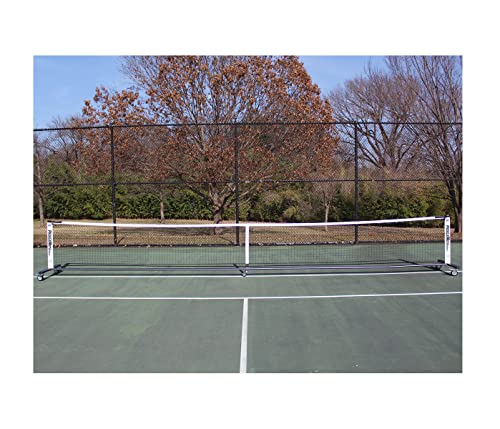
PORTABLE: The PickleNet Deluxe Includes Wheels for Easy Maneuverability and is now made with over 50% aluminum making it lighter than ever! Fast and Easy Assembly.

UA Storm technology repels water without sacrificing breathability
Biomechanics of Power Generation in Tennis
Understanding the biomechanics of power generation in tennis can considerably enhance a player’s performance. The kinetic chain begins with the legs, which are the primary power source. This energy flows through the core, where it stabilizes and optimizes energy transfer to the racket. Engaging the core allows efficient muscle use, essential for maintaining balance during strokes. Additionally, pre-stretching muscles can store elastic energy, which greatly boosts power output. Body rotation, especially of the hips and shoulders, is critical for maximizing racket speed. Timely coordination guarantees that each segment of the kinetic chain contributes effectively. Proper footwork also positions the body to harness this energy, allowing for powerful strokes and effective play on the court. Just as moisture-wicking materials reduce friction in athletic wear, proper core engagement minimizes energy loss during power transfer from the lower body to the racket.
Injury Prevention Through Core Training
As players focus on enhancing their tennis skills, integrating core training can play an essential role in injury prevention. Effective core engagement strengthens the body’s foundation, which can substantially reduce injury risk. Common injuries in tennis, like ankle sprains and muscle strains, highlight the need for a dedicated approach to training. Core exercises improve balance, coordination, and overall stability, which are critical for avoiding falls and enhancing performance. Incorporating flexibility and mobility training alongside core routines is equally important, as these exercises target specific movements in the sport. By prioritizing thorough core workouts, players can develop stronger muscles that support lower and upper body movements, ultimately leading to a healthier and more productive tennis career. For players recovering from ankle injuries or seeking additional support, ankle braces with adjustable strapping can provide the stability needed to maintain confidence during training and match play.
Core Stability and Postural Control
Core stability plays an essential role in enhancing postural control, particularly for tennis players. A strong core guarantees equilibrium of the vertebral column, allowing efficient force transfer from the upper to lower body during play. Improved core stability markedly reduces postural displacement, enabling athletes to handle unexpected movements and execute shots with greater precision. Research indicates that a targeted core training program can enhance postural control parameters, such as center-of-pressure length and sway area. Additionally, integrating proprioceptive elements into training can further boost these outcomes. Players demonstrating improved core stability not only experience enhanced dynamic balance during strokes but also reduce their risk of injury, leading to prolonged performance on the court.
Developing Symmetrical Strength
To enhance your performance on the tennis court, developing symmetrical strength is vital. Symmetrical training focuses on equal power output from both sides of your body, important for executing forehand and backhand shots effectively. By addressing muscle imbalances with targeted exercises, tennis players reduce injury risk, particularly in the lower limbs. Incorporating moves like plank rotations, medicine ball throws, and Russian twists can improve your rotational strength evenly. Additionally, leg presses guarantee balanced development in your legs, while balance boards enhance dynamic stability. These strategies not only bolster your physical capabilities but also optimize your overall tennis performance. Commit to a symmetrical training routine, and watch as your game reaches new heights while minimizing the chance of injuries.
Warm-Up Routines for Core Activation
Effective performance on the tennis court starts well before the first serve. A proper warm-up routine enhances core activation, essential for peak movement. Begin with dynamic warm ups, such as light jogging around the court, which loosens muscles and boosts circulation. Incorporate tennis drills like side shuffles to mimic game movements while improving lateral speed. Engaging in dynamic stretching—like torso twists and leg swings—can further activate the core and enhance flexibility. Additional activities, including jumping jacks and knee hugs, promote overall body movement. Completing these exercises prepares you physically and mentally, ensuring your body is primed for the exertion ahead. Taking the time to warm up properly makes a significant difference in performance level during play.
Recommended Products

Waterproof: This jacket is built to keep you warm and dry on any outdoor adventure. The shell of the jacket is waterproof, allowing water to bead off. The interior has a moisture-wicking fleece that will keep you warm even on the windiest of days.


Combining Training Modalities for Optimal Results
While athletes often focus on isolated training methods, combining different modalities can greatly enhance tennis performance. Cross training advantages such as integrating resistance training, plyometrics, and motor control drills elevate core strength. By increasing training frequency through varied drills, players develop muscular endurance and explosive power. Resistance bands or medicine balls during core exercises promote rotational strength. Incorporating plyometric movements with core conditioning enhances the transfer of force during strokes. Additionally, practicing motor control fosters coordinated core activation essential for tennis. Such synergies not only improve athleticism but also facilitate injury prevention. By embracing a diverse training regimen, players can develop a stronger, more resilient core, ultimately translating to improved performance on the court.
Practical Tips for Implementing Core Training
Implementing an effective core training routine can greatly enhance a tennis player’s performance on the court. Begin with foundational isometric exercises, such as planks, to build spinal stability. Incorporate dynamic movements, like medicine ball chops, for tennis-specific power. To guarantee well-rounded development, practice both knee planks and advanced walking planks, catering to your skill level. Aim for exercise frequency of 2-3 times per week, performing 3 sets of each exercise, with 20-60 seconds holds or 10-15 repetitions. Integrate these routines during warm-ups or cool-downs, maintaining efficient form throughout. Remember, tracking your progress through time holds can shed light on areas needing improvement, ultimately boosting your tennis performance while reducing injury risk.
Frequently Asked Questions
How Often Should I Perform Core Exercises for Tennis?
The recommended core workout frequency is two to three times weekly, ensuring a well-structured core training schedule. Consistent practice enhances strength and stability, essential for performance and injury prevention on the tennis court.
Can Core Workouts Be Done Without Equipment?
Yes, core workouts can be performed without equipment. Bodyweight exercises enhance core stability effectively, allowing individuals to strengthen their core muscles anywhere. This approach supports functional strength and helps maintain stability during dynamic physical activities.
What Is the Best Time to Train My Core?
The best time to train the core varies by individual preference, with morning sessions potentially maximizing muscle activation due to higher testosterone levels, while evening workouts may suit those with differing daily energy patterns or schedules.
How Long Should Each Core Training Session Last?
Each core training session should last between 15 to 30 minutes, with a training frequency of 2 to 3 sessions per week recommended to optimize strength gains and prevent overtraining while ensuring effective performance.
Are There Specific Core Exercises for Beginners?
Ah, the intimidating world of core exercises. For beginners, embracing modified planks, bird dogs, and glute bridges fosters basic stability. With gentle adjustments, budding athletes can seamlessly cultivate strength without collapsing into a heap of confusion.


