As an Amazon Associate, we earn from qualifying purchases. Some links on this site are affiliate links at no extra cost to you. Our recommendations are based on thorough research and editorial judgment.


Yoga Poses for Pickleball Flexibility

Enhance your pickleball performance with targeted yoga sequences designed specifically for court athletes. This comprehensive guide features poses that improve hip mobility, shoulder flexibility, and core stability—essential elements for powerful serves and quick lateral movements. From downward dog variations to spinal twists, each pose addresses common pickleball tension points while building the dynamic flexibility needed for explosive play. Perfect for pre-game warm-ups or post-match recovery, these yoga flows help prevent injuries and extend your playing career. Suitable for all skill levels, from beginners to tournament competitors.
# Yoga Poses for Pickleball Flexibility
Yoga poses for pickleball flexibility include stretches for the upper body and lower body. Poses like Cross-Body Shoulder Stretch and Low Lunge enhance mobility, essential for dynamic movements. Incorporating Downward Facing Dog improves hamstring flexibility, allowing for better low shots. Regular practice boosts muscle elasticity, reducing injury risks considerably. Aim for 20–30 minutes of yoga, 2-3 times a week. This structured approach can elevate your performance and stability on the court. Discover more effective techniques to optimize your game.
Key Takeaways
- Incorporate poses like Downward Facing Dog to enhance hamstring flexibility for bending into low shots during gameplay.
- Use Low Lunge stretches to improve hip flexor flexibility, contributing to better mobility and stride length on the court.
- Shoulder stretches like Cross-Body and Overhead Triceps help improve upper body mobility, alleviating tightness for more effective shots.
- Dynamic arm rotations, such as Arm Circles, prepare shoulders for high-impact movements, boosting overall agility and gameplay performance.
- Regular planks and anti-extension exercises develop core strength, crucial for stability and power transfer in pickleball movements.
Importance of Flexibility in Pickleball
When considering the sport of pickleball, one key aspect that often gets overlooked is flexibility. Flexibility plays an essential role in preventing injuries, reducing the likelihood of common complaints that affect 69% of players annually. For newer players, those with less than five years of experience are at a 50% higher risk for injuries, making flexibility training critical. Engaging in proper warm-up routines enhances muscle elasticity, preparing players for the sudden movements inherent in the game. Focused stretching of major muscle groups, like calves and quadriceps, can considerably lower injury risks. Additionally, wearing breathable performance fabrics during play can help maintain comfort and full range of motion, which further supports injury prevention efforts. By prioritizing flexibility benefits, players not only support their physical readiness but also extend their ability to enjoy the sport safely and effectively.
Upper Body Flexibility Poses
Upper body flexibility is essential for pickleball players aiming to improve performance and reduce the risk of injury. Effective shoulder stretches, such as the Cross-Body Shoulder Stretch and the Overhead Triceps Stretch, enhance mobility and alleviate tightness. Incorporating dynamic arm rotations like Arm Circles prepares the shoulders for high-impact shots, increasing overall range of motion. Additionally, the Thoracic Spine Rotation aids in developing rotational flexibility significant for effective swing mechanics. These poses, when practiced regularly, can counteract the stiffness that arises from extensive gameplay. Combining these stretches into a pre-game warm-up routine promotes ideal upper body function, enhancing both performance and resilience against injuries. Proper footwear with features like breathable mesh materials can further support your flexibility routine by keeping feet comfortable during post-yoga court play. Prioritize these poses for a stronger, more flexible upper body on the court.
Recommended Products

Titleist Tour Hat

Classic Preppy Polo Design with Elevated Details: This 2 piece tennis outfit features a contrast color polo collar and structured short sleeves with ribbed striped cuffs and hem for a polished, country club inspired look. Designed with a flattering shoulder line that keeps its shape, this set blends sporty performance with timeless preppy style.
Hip and Lower Body Flexibility Poses
Flexibility in the hips and lower body plays an essential role in a pickleball player’s performance on the court. Effective hip flexor stretches, such as the *Low Lunge (Anjaneyasana)*, enhance your mobility and stride length. Regularly practicing these stretches can reduce the tightness that limits your lateral movements. Additionally, hamstring flexibility is vital for bending into low shots. Poses like *Downward Facing Dog* promote elongation of these important muscles, increasing your reach during gameplay. Dynamic stretches before matches keep blood flowing, while longer holds post-play aid recovery. Incorporating variations of foot rotation in your hamstring stretches guarantees thorough flexibility. Tightness in these areas may lead to discomfort, so prioritize your hip and lower body flexibility to enhance performance. Just as athletic apparel with stretch for flexibility enhances movement on the court, maintaining hip and lower body suppleness through yoga ensures you can execute quick directional changes without restriction.
Recommended Products

𝗔𝗱𝗱𝗿𝗲𝘀𝘀𝗲𝘀 𝗖𝗼𝗺𝗺𝗼𝗻 𝗣𝗮𝗶𝗻 𝗣𝗼𝗶𝗻𝘁𝘀: Designed to alleviate back pain, plantar fasciitis, sciatica, herniated discs, tight hamstrings, achilles tendonitis, and poor posture, offering a comprehensive solution for better mobility and overall wellness.

The MULTI-POSITIONING TOWER is the most important piece of equipment used in Posture and Alignment Therapy, PAIN FREE AT SEA THERAPY. It’s considered the “Bread and Butter of Posture Therapy”.

Premium comfort: Table features deluxe cushioning, providing the ultimate comfort for your clients. The table top is composed of a plush 2" thick layer of high-density foam.
Dynamic Movement and Agility
Dynamic movement and agility are pivotal for success in pickleball, especially as the game demands quick lateral and forward motions. Incorporating agility drills into your training regimen enhances dynamic mobility. Techniques like arm swings, trunk twists, and skipping drills prepare the body for explosive actions. Multi-directional lower body exercises, such as lateral lunges and skier drills, develop essential strength and flexibility. This training promotes neuromuscular control for quick direction changes on the court. Additionally, practicing split steps and shuffle drills improves reaction time and balance during play. Engaging in these targeted movements not only enhances performance but also reduces the risk of injury, ensuring players remain agile and ready to tackle any challenge that arises during matches. Supporting your agility training with proper footwear featuring Adiwear outsoles provides the essential traction and grip needed for maintaining stability during rapid directional changes.
Recommended Products

Flexibility: High- The more flexibility that you have in the midsole and outsole, the more you can move naturally. We laser-siped the outsole for better flexibility, whether you're jumping, planking or powering through plyometrics. We also rounded the big-toe side of the forefoot for better agility and quickness when making sudden movements.

NDure upper technology designed for superior durability

NATURAL-FIT WIDE Toe-box
Core Strength and Stability for Better Performance
Building core strength and stability plays an indispensable role in enhancing pickleball performance. Core engagement is crucial during every shot, from dinking to powerful overheads. Players benefit greatly from integrating rotational strength exercises, like standing rotational chops, into their training. These movements improve stability and balance, preventing unnecessary arching of the back. A strong core not only supports quick directional changes but also aids in shot execution, facilitating more controlled movements. Consistency with core-focused drills, including planks and anti-extension exercises, guarantees continual performance improvement. Ultimately, a robust core generates greater power transfer from the lower to upper body, giving players a competitive edge. Incorporating resistance bands into core training offers a portable and versatile solution that targets multiple muscle groups while supporting injury prevention through controlled, low-impact exercises. Prioritize these core strengthening techniques to elevate your pickleball game.
Joint Health and Injury Prevention Strategies
In pickleball, maintaining joint health is vital for reducing injury risk and optimizing performance. Engaging in exercises that enhance joint mobility contributes significantly to injury prevention. Strength training, for instance, builds core and lower body stability, fortifying joints against common injuries such as sprains and fractures. Furthermore, proper court conditions and equipment, like supportive shoes and paddles, can greatly decrease injury likelihood. Incorporating yoga poses, such as Downward-Facing Dog and Warrior Pose, helps improve flexibility and balance, further supporting joint integrity. Regular warm-ups, cool-down stretches, and fitness assessments are also essential for addressing physical limitations and preventing muscle strains. Selecting footwear with proper arch support helps distribute body weight evenly across the feet, reducing strain on joints and minimizing the risk of overpronation-related injuries during play. Together, these strategies create a thorough approach to promoting joint health in pickleball players.
Recommended Products


Nike React technology is a lightweight, durable foam that delivers a smooth, responsive ride.
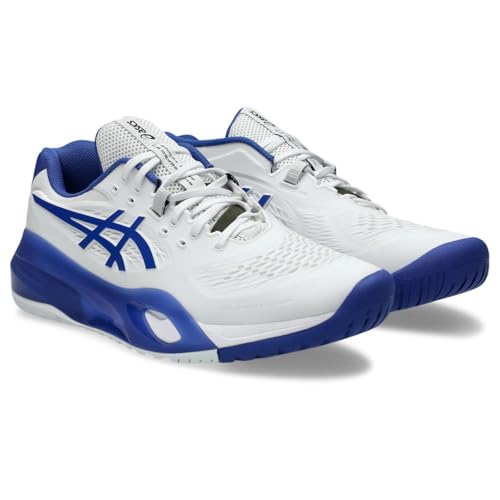
Optimises lateral movements and allows easy return to the starting position.
Enhancing Mental Focus Through Yoga
While many athletes focus on physical training, enhancing mental focus through yoga can considerably boost performance in pickleball. Engaging in mindfulness meditation and yoga has been shown to improve key cognitive abilities, such as working memory and decision-making skills. Research indicates that after just one 20-minute Hatha yoga session, participants saw marked improvements in their ability to concentrate and process information. Practicing yoga regularly promotes brain connectivity, aiding in attention regulation during gameplay. Additionally, reducing anxiety levels enhances mental clarity, which is essential on the court. With ongoing practice, pickleball players can experience significant cognitive enhancements, improving their overall performance and enjoyment of the game. Integrating yoga into training can create a well-rounded athlete, both physically and mentally. To further support injury prevention and recovery, players may benefit from using adjustable compression supports that aid in blood circulation during both yoga sessions and on-court play.
Breath Control Techniques for Players
Breath control techniques play an essential role in enhancing performance on the pickleball court, especially when players learn to integrate breath with movement. Developing a secure breath rhythm is crucial, allowing players to maintain focus during high-stress moments. Exhaling at the moment of ball contact enhances shot accuracy while accommodating varying stroke durations. Effective players inhale through the nose as they prepare for their strokes, establishing a smoother shift. Practicing box breathing can establish calmness during breaks, while cyclic sighing helps to quickly settle the mind. Improved breath understanding also consists of rhythmically aligning breathing with volleys, preventing fatigue. Just as proper breathing techniques minimize fatigue, wearing shoes with effective cushioning technology can reduce joint impact during extended matches. Ultimately, incorporating these breath control techniques translates directly into better energy management and more precise stroke execution.
Recommended Yoga Practice Structure
Effective breath control not only elevates on-court performance but also enhances the overall physical conditioning of a pickleball player. A recommended yoga practice structure involves sessions lasting 20–30 minutes, designed to improve flexibility and mobility. Practicing 2–3 times weekly strikes a balance between gains and necessary recovery. Incorporate a targeted yoga sequence before and after your pickleball games to facilitate warm-up and cool-down. Begin with dynamic stretching or sun salutations, followed by poses that stretch the hips and shoulders. Include balance poses to strengthen the core and support quick movements. End with relaxation techniques to promote recovery. Consistency is key; gradual improvements in flexibility and joint mobility will manifest over time, benefiting your overall gameplay. Wearing breathable athletic footwear during your yoga sessions helps maintain comfort and prevents moisture accumulation that can lead to blisters.
Recommended Products

LEGENDARY DURABILITY & STABILITY: The original Manduka PRO mat, trusted by teachers worldwide, delivers unmatched stability and support—Guaranteed to last a lifetime of practice

BEST IN CLASS MAT: The lightweight version of our PRO multipurpose workout mat is the #1 recommended mat by fitness instructors and yoga therapists all over the world, built to last a lifetime

Ultra-absorbent microfiber top layer is bonded to a natural rubber base layer to provide the ultimate in sweat management and stability.
Tips for Integrating Yoga Into Your Routine
How can one effectively weave yoga into a pickleball routine? Start by setting a consistent yoga schedule, aiming for 2 to 5 sessions each week. This frequency will enhance flexibility and endurance, important for gameplay. Incorporate practice durations of 30 minutes to an hour for best benefits. Short daily sessions can also be effective, giving your body time to adapt. Additionally, consider integrating yoga into your warm-up or cool-down routines to aid muscle recovery. Using reminders or apps can help maintain motivation and track progress over time. Focus on specific poses that enhance balance and core stability, ensuring that your practice meets your pickleball needs while supporting your athletic performance overall. Just as proper footwear with excellent arch support reduces fatigue and prevents injuries in tennis, incorporating yoga can help prevent common pickleball-related discomfort.
Frequently Asked Questions
How Often Should I Practice Yoga for Pickleball Flexibility?
Practicing yoga twice to three times weekly enhances flexibility benefits, with sessions lasting around 20 minutes effectively promoting mobility. Consistency in yoga duration is key to supporting overall performance and injury prevention in pickleball athletes.
Can Yoga Replace My Regular Pickleball Training Sessions?
Yoga cannot replace regular pickleball training sessions. While it offers significant benefits like enhanced flexibility, focused breath control, and improved stability, it lacks the specific skill development essential for peak pickleball performance on the court.
What’s the Best Time to Do Yoga in Relation to Playing?
Like planting seeds for a garden, timing yoga enhances growth. Integrating it into a morning routine energizes players, while an evening stretch facilitates recovery, ensuring optimum flexibility and readiness for the next pickleball challenge.
Are There Specific Poses for Beginners?
Yes, specific easy poses, such as Downward Facing Dog and Child’s Pose, offer beginners significant benefits, enhancing flexibility and balance while building a strong foundation for more advanced practices as they progress in their yoga journey.
How Long Should I Hold Each Yoga Pose?
The ideal pose duration for yoga typically ranges from 30 seconds to 1 minute, promoting flexibility gains. Listening to the body’s signals allows for adjustments, ensuring comfort and enhancing the effectiveness of each pose.


