As an Amazon Associate, we earn from qualifying purchases. Some links on this site are affiliate links at no extra cost to you. Our recommendations are based on thorough research and editorial judgment.


Plyometric Exercises for Tennis Quickness

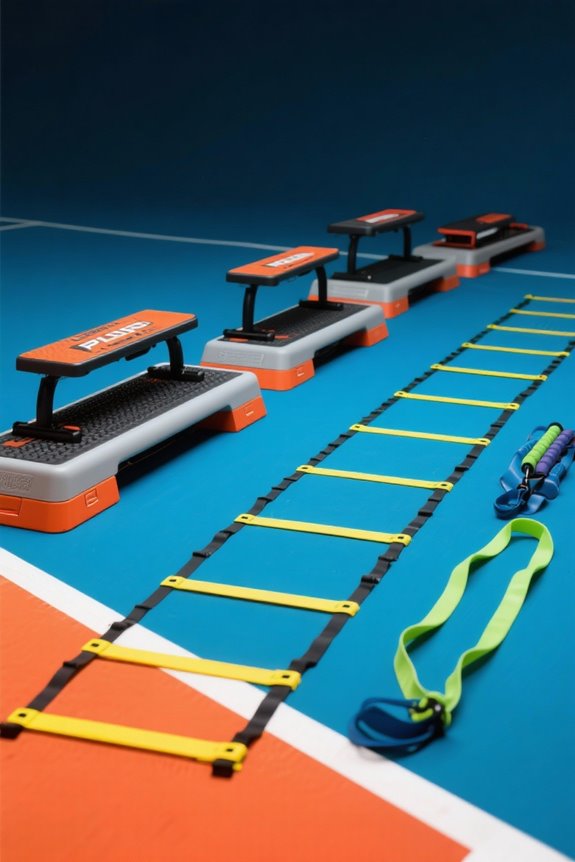
Professional studio shot showcasing essential plyometric training equipment on pristine white backdrop. Featured items include agility ladder, resistance bands, plyometric boxes in graduated heights, speed cones, and medicine balls arranged in symmetrical composition. Studio lighting creates subtle shadows emphasizing equipment textures and dimensions. Vibrant blues, oranges, and blacks pop against minimal background. Sharp focus captures every detail from ladder rungs to textured grip surfaces. Premium sports training gear displayed in clean, commercial catalog style perfect for athletic retailers and tennis training programs.
# Plyometric Exercises for Tennis Quickness
Plyometric exercises are crucial for enhancing quickness on the tennis court. They improve muscle fiber production and enhance your explosive reactions. Key drills include squat jumps and lateral box jumps, which develop vertical power and side-to-side agility. Regular training can greatly reduce sprint times and boost your directional change speed. By committing to these workouts, you’ll gain a competitive edge over opponents. Discover how to safely incorporate these exercises and optimize your performance effectively.
Key Takeaways
- Squat jumps and box jumps enhance vertical power, increasing court coverage for quicker movements in matches.
- Lateral box jumps improve side-to-side quickness, essential for responding to opponents’ shots.
- One-legged hops build single-leg strength and improve balance, crucial for maintaining stability during play.
- Clapping push-ups and medicine ball throws develop upper body explosiveness for powerful strokes and serves.
- Incorporating agility ladder drills and hurdles combines rapid foot speed with explosive movements, enhancing overall agility on the court.
Importance of Plyometric Training for Tennis Quickness
The importance of plyometric training in enhancing tennis quickness cannot be overstated. This form of training notably improves strength benefits, boosting muscle fiber force production, particularly fast-twitch fibers essential for explosive movements like sprints and jumps. Plyometrics enhances motor unit recruitment, optimizing muscle activation during rapid court actions. Additionally, intermuscular coordination is refined, leading to smoother, more powerful strokes. By utilizing the stretch-shortening cycle, athletes can experience improved explosive reactions for sudden starts and changes in direction. Enhanced proprioception promotes better balance and reaction time. Ultimately, these neuromuscular adaptations contribute dramatically to overall athletic performance, allowing competitors to cover the court more efficiently, react swiftly, and maintain peak quickness throughout matches, enhancing competitive edge. To maximize these quickness gains, players should ensure their equipment supports agile movement, selecting racquets with proper weight and balance that complement their skill level and playing style.
Recommended Products

Solid Wood Construction for Safe Squats & Jumps: Built from high-quality wood, this plyometric platform offers dependable support for squats, step-ups, and jumping exercises. Great for power training, calisthenics, and weightlifting at home or in the gym.
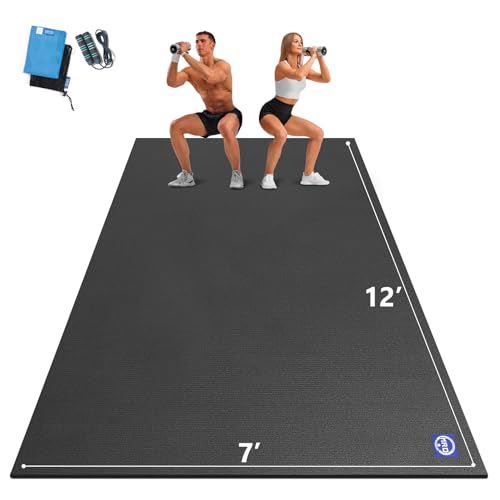
WIDER DIMENSIONS: The width is 7', 1' longer than the existing 6' width on the market.

Train Safer – Soft Foam Jump Box for All Fitness Levels Build strength, balance, and agility while protecting your joints and shins. Each box features impact-absorbing foam and a non-slip vinyl cover, ideal for plyometric workouts, HIIT, and step-up exercises in your home gym or commercial training studio.
Key Plyometric Exercises Beneficial for Tennis
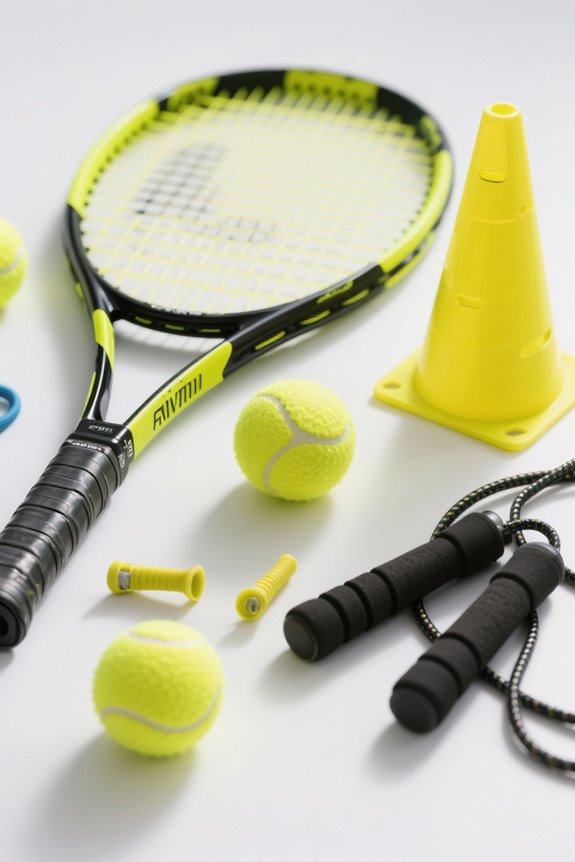
Plyometric exercises play an essential role in developing the explosive power and quickness athletes need on the tennis court. Key plyometric variations, such as squat jumps and box jumps, enhance vertical power and improve court coverage. Lateral box jumps are crucial for sharpening side-to-side quickness, while one-legged hops build single-leg strength and balance. Upper body exercises, including clapping push-ups and medicine ball throws, support powerful strokes through explosive movements. Agility ladder drills and hurdle workouts combine rapid foot speed with multi-planar explosiveness. Additionally, resistance training can amplify these benefits. Agility ladders with adjustable rung spacing between 12 to 18 inches allow athletes to customize their footwork drills based on skill level and training goals. By integrating these plyometric exercises, tennis players can optimize their performance and gain a competitive edge. Training with these techniques leads to significant improvements in strength and agility on the court.
Recommended Products

Versatile: Can be used for fitness, football, basketball, soccer, tennis, track running, rugby, and more!


Train footwork and agility patterns in game-like situations
Physiological and Performance Improvements From Plyometrics
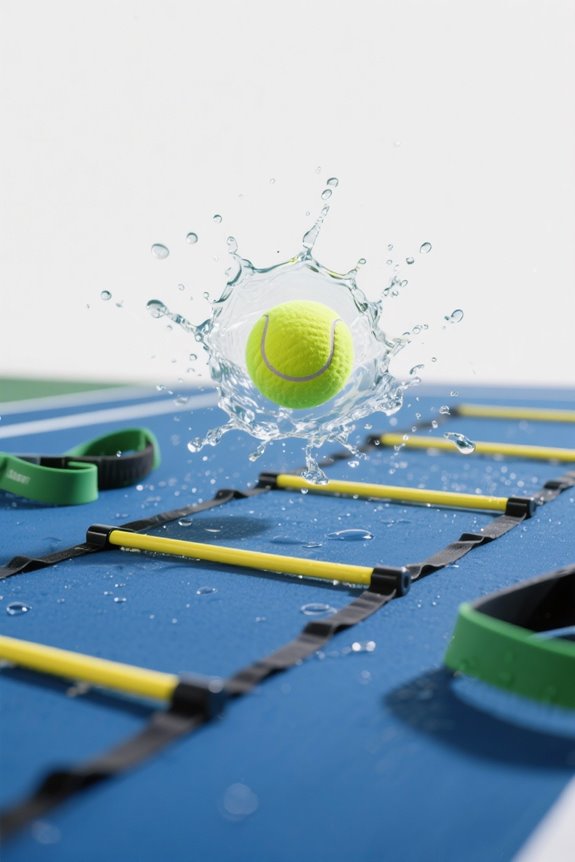
Enhancing athletic performance through targeted training can lead to significant improvements in both strength and agility. Plyometric exercises uniquely boost neuromuscular efficiency by refining the stretch-shortening cycle, which allows quicker shifts between muscle actions. This results in better recruitment of fast-twitch fibers essential for explosive movements. Studies indicate that six weeks of plyometric training significantly reduced sprint times and improved change of direction speed, critical for tennis players. Furthermore, plyometrics enhance reactive strength, optimizing the storage and reuse of elastic energy in muscles and tendons. These adaptations enable players to generate maximum force rapidly, bolstering power for serves and maximizing court coverage. To protect against potential wrist and elbow injuries during intense training sessions, players should consider using quality shock absorbers that can reduce harmful vibrations by up to 94.7%. Ultimately, incorporating plyometric training lays the groundwork for superior athletic performance on the tennis court.
Recommended Products

The original “worm” shaped vibration dampener.

- PLAY WITHOUT PAIN — PROVEN BY 75% OF ATHLETES: Stop letting tennis elbow, wrist tendonitis, or shoulder pain steal your game. In a 9-year study, 75% of players reported real pain relief and 43% eliminated pain completely — so you can swing freely again, point after point.

The Perfect Blend of Feel, Dampening and Comfort - This pack of 3 Sorb dampeners is ideal for players looking for balanced dampening and feel. Other ADV shock absorbers and tennis dampeners are available for you to try out.
Effects on Tennis-Specific Skills
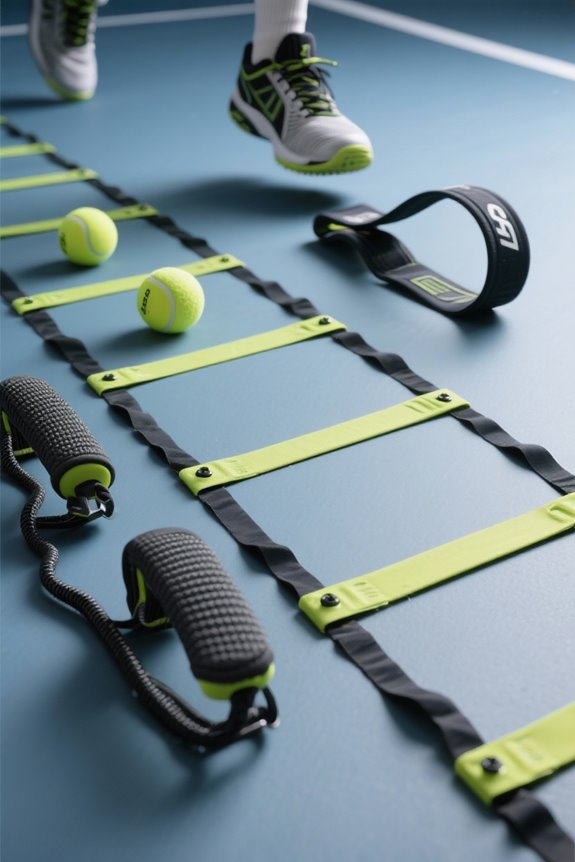
While players often focus on technique and strategy, incorporating plyometric exercises can greatly enhance tennis-specific skills. Plyometrics improve agility and dynamic balance, both fundamental for executing quick, precise movements on the court. Skill assessments reveal that integrated plyometric training leads to better shot execution by increasing power and speed generation. Additionally, plyometric workouts enhance quick repositioning, helping players adapt dynamically to challenging situations. As training metrics indicate, this method offers noticeable improvements over traditional training approaches. Players have reported better performance across different surfaces. The enhanced maneuverability from plyometric training complements equipment choices, as lighter racquets in the 9-10 oz range also promote improved swing speed and court coverage for recreational players. To summarize, integrating plyometric exercises into tennis training not only elevates gameplay but also fine-tunes essential skills that are essential for success on the court.
Recommended Products

Wilson RF 01 Pro Strung Performance Tennis Racket - Grip Size 3-4 3/8", Strung with Sensation 16 Natural at Mid Range Tension

Wilson RF 01 Strung Performance Tennis Racket - Grip Size 3-4 3/8", Strung with Sensation 16 Natural at Mid Range Tension

Wilson Blade 98 16x19 V10 Adult Performance Tennis Racket - Grip Size 3 - 4 3/8", Strung with Sensation 16 Natural at Mid Range Tension
Progression and Practical Implementation of Plyometric Training
Incorporating plyometric exercises demands a strategic approach to training that maximizes effectiveness and safety. Effective progression strategies begin with basic bodyweight movements, such as squat jumps and tuck jumps. Once comfort is established, gradually introduce depth drops and external challenges like box jumps. Implementing tips for this training involve adjusting volume and intensity as athletes become proficient. Begin with fewer foot contacts for beginners and shift to more complex patterns over time. Be sure to include tennis-specific movements, like lateral bounds paired with strokes, to enhance sport relevance. Finally, limit plyometric sessions to 1-2 times a week, placing them at the workout start to utilize peak neuromuscular readiness for ideal power output. Training with quality equipment, such as ITF and USTA approved tennis balls, ensures consistent bounce and performance during drills that combine plyometric movements with ball work.
Recommended Products

Multipurpose Workout Ball: Combines elements of cardio, strength, and flexibility into unique and highly effective workouts; Forces you to maintain your center of gravity while performing any exercise

PROVEN: BOSU Balance Trainer provides cardio, muscular strength, flexibility and endurance training in unique, challenging and highly effective workouts. Downloadable workouts are developed by industry professionals to improve overall fitness and health.

Improve lateral movement
Safety and Injury Prevention Considerations
Safety and injury prevention should be central considerations when engaging in plyometric training for tennis. Risk factors include improper landing mechanics and sudden increases in training intensity, which can lead to lower extremity injuries, such as ACL tears and calf strains. Athletes should focus on proper technique, emphasizing soft landings with knees aligned over toes. Strengthening key muscle groups—like quadriceps and calves—supports safer plyometric performance and reduces overuse injuries. Incorporating dynamic warm-ups prepares muscles and joints for explosive movements, minimizing the chances of acute injuries. Additionally, monitoring training volume and allowing adequate rest are essential for recovery and injury prevention. Wearing supportive equipment such as knee compression sleeves can provide stability and help reduce inflammation during high-impact plyometric sessions. By following these guidelines, athletes can enhance performance while minimizing injury risks associated with intense plyometric training.
Conclusion and Key Takeaways
Plyometric training presents a valuable opportunity for tennis players to enhance their performance on the court. Incorporating various plyometric variations allows athletes to develop explosive strength, which is essential for improving serve speed and agility. Regularly applying appropriate training intensity in these exercises promotes acceleration and change of direction speed. Remarkably, studies show that participants can achieve a 3.1% to 10.1% increase in explosiveness within just 6 to 8 weeks of structured training. Enhanced muscle-tendon stiffness also supports faster foot movement and court coverage. To maximize these performance gains, selecting tennis shoes with proper cushioning and traction ensures optimal support during explosive movements and quick directional changes on various court surfaces. Ultimately, plyometric training not only boosts physical capabilities but also enhances game performance. By committing to these methods, players can experience significant improvements in their overall competitiveness and effectiveness on the court.
Frequently Asked Questions
Can Plyometrics Be Beneficial for Beginners in Tennis?
Plyometrics can be beneficial for beginners in tennis, as these exercises enhance explosive strength, improve agility, and develop quick reactions. Implementing beginner exercises helps reduce injury risk while considerably boosting overall performance on the court.
How Often Should Plyometric Training Be Incorporated Into a Tennis Routine?
Plyometric training should be incorporated into a tennis routine following frequency guidelines of 1-2 sessions in-season and 2-3 sessions off-season. Achieving an effective training balance is essential for optimizing performance while preventing overtraining and injury.
What Is the Best Time of Day to Perform Plyometric Exercises?
In the metaphor of a flower blooming, evening performance peaks for plyometric exercises; consequently, incorporating training into an afternoon routine aligns with enhanced body temperature and neuromuscular readiness, optimizing results more than morning sessions typically would.
Are There Alternative Exercises for Those With Joint Issues?
Joint-friendly alternatives for individuals with joint issues include low impact variations like modified side jumps, resistance band drills, and agility ladder exercises. These options help maintain quickness while minimizing strain and promoting joint health effectively.
How Do I Know if I’m Progressing in My Plyometric Training?
Progress in plyometric training can be measured through performance indicators such as improved jump height, faster sprint times, enhanced agility test scores, and increased serve velocity, all requiring consistent progress tracking for accurate assessment of development.


