As an Amazon Associate, we earn from qualifying purchases. Some links on this site are affiliate links at no extra cost to you. Our recommendations are based on thorough research and editorial judgment.


Balance Training for Pickleball Stability

Elevate your pickleball game with specialized balance training equipment designed for court stability. This premium balance board features a non-slip surface and engineered wobble base to strengthen core muscles and improve footwork precision. Ideal for players seeking enhanced agility, faster reaction times, and injury prevention. The compact design allows for indoor training sessions, helping athletes develop the stability needed for quick lateral movements and sustained rallies. Professional-grade construction ensures durability through intensive training routines while maintaining optimal resistance levels for progressive skill development.
# Balance Training for Pickleball Stability
Balance training is essential for enhancing stability in pickleball. It improves agility, reduces injury risks, and boosts overall performance. Effective balance exercises, such as squats and single-leg techniques, help strengthen lower body control. Additionally, incorporating mobility exercises can aid in maintaining a proper posture and improving shot reach. By monitoring your progress and adjusting your routine accordingly, you can achieve significant improvements. Stick around to discover more about specific techniques to elevate your game.
Key Takeaways
- Balance training is vital for quick pivots and maintaining stability during pickleball matches, reducing fall risk in older players.
- Incorporate lower body strength exercises like squats and lunges to enhance balance and core stability essential for the sport.
- Dynamic training methods, such as 4-Way Cone or Tape Reach, simulate game scenarios and improve overall responsiveness and agility on the court.
- Regular balance exercises targeting the posterior chain, like kettlebell swings, help to improve explosive power and control during gameplay.
- Flexibility training through targeted stretches decreases muscle strain risk and enhances mobility for better reaching and shot execution.
Importance of Balance Training in Pickleball
As pickleball continues to grow in popularity, the importance of balance training has become increasingly evident. Players rely on their ability to pivot quickly and maintain a stable stance during rapid, multidirectional movements. A thorough balance assessment can reveal areas for improvement, essential for enhancing performance metrics. Many older adult players report a fall during games, illustrating why maintaining a low center of gravity, with bent knees and a wide stance, is crucial. Regular engagement in balance training not only supports player safety but also enhances overall mobility, addressing physical decline due to inactivity. Additionally, wearing supportive gear that provides gentle compression can help reduce inflammation and promote blood flow, further protecting against injury during play. By integrating structured balance exercises into your routine, you can better prevent falls, reduce anxiety around play, and ultimately enjoy an improved pickleball experience.
Benefits of Enhanced Proprioception
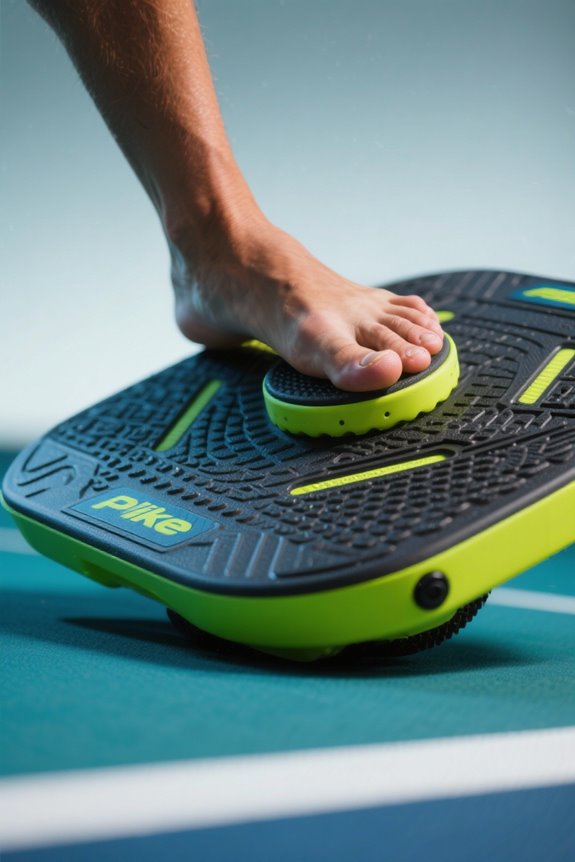
Enhanced proprioception offers a range of benefits that profoundly impact performance in pickleball. This heightened proprioceptive awareness improves balance and postural stability, vital for maneuvering the fast-paced environment of the game. By engaging in targeted balance drills, players can reduce their risk of injury, such as ankle sprains, by achieving greater joint stability and muscle coordination. Enhanced proprioception fosters swift, precise reactions to opponents’ movements, resulting in more accurate shot placement. Additionally, players experience better body alignment, even under fatigue, which minimizes compensatory movements. Overall, integrating proprioceptive training into routines supports improved coordination, explosive power, and agility, leading to enhanced athletic performance and longevity in the sport. Proper footwear with podiatrist-certified arch support can further complement balance training by providing the stability foundation necessary for optimal proprioceptive function during gameplay. Achieving these benefits is essential for any dedicated pickleball athlete.
Key Balance Exercises for Players
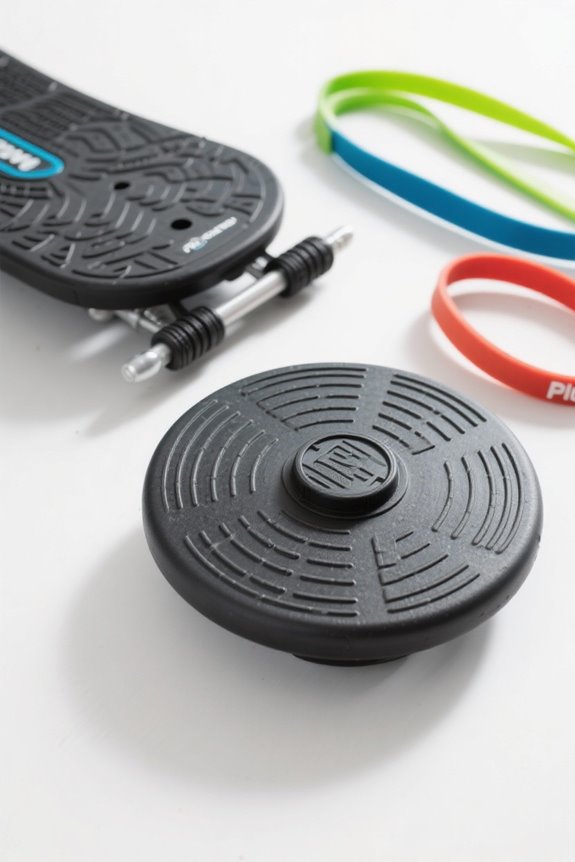
Key balance exercises play an essential role in enhancing overall performance in pickleball. Players can incorporate balance drills like squats and lunges to build lower body strength and stability, essential for quick movements. Plyometric exercises help boost power, while mountain climbers enhance agility. The introduction of balance challenges, such as one-foot rotational balance reaches and unilateral hinge balance marches, can further develop stability. Utilizing tools like balance boards and agility ladders adds variety to workouts. Toss and catch drills can improve hand-eye coordination, important during gameplay. After training sessions, using a tennis ball hopper can efficiently collect practice balls without bending over, which helps protect the back and knees that balance exercises work to strengthen. These exercises not only support physical conditioning but also help prevent injury, making them a fundamental part of any pickleball training regimen. Overall, consistent practice guarantees improved stability on the court.
Recommended Products

MULTIPLE WEIGHT OPTIONS: Cuff offers 20 color-coded ankle and wrist weights ranging from 0.25 lbs. all the way up to 25 lbs., making them versatile for all strength levels. Multiple weight options allow for a customized workout.

Triple Layer Carbon Fiber Construction - The innovative triple layer carbon fiber design ensures durability and strength for a powerful and consistent performance on the pickleball court.
Single-Leg Balance Techniques
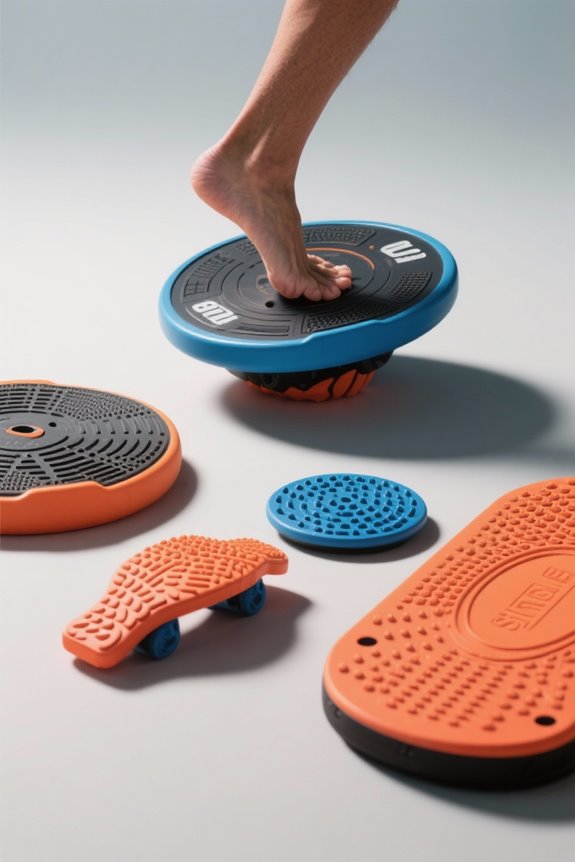
Single-leg balance techniques serve as a crucial element in developing the stability and strength necessary for pickleball performance. Engaging in a single leg stand for 30 seconds to 1 minute can greatly enhance endurance critical for court stability. This practice increases neuromuscular control of foot and ankle muscles, promoting better balance feedback. Progressively challenging oneself by reaching in various directions while maintaining balance can simulate real-game movements. Integrating arm movements, like tossing a ball, adds an additional layer of coordination. Regular practice, ideally three times a week, has shown measurable improvements in unilateral balance, reducing the risk of injuries. Proper footwear with excellent traction and sturdy outsoles further supports stability during these dynamic movements on the court. Fundamentally, mastering single-leg balance techniques is foundational for excelling in the dynamic environment of pickleball.
Recommended Products

THIS WOMEN’S SHOE IS FOR: The Levitate StealthFit 5 is for runners who want a sleek look combined with a closer-to-foot fit, with ample stretch and compression. The Levitate StealthFit 5 offers a super springy ride that delivers high energy return that helps your foot spring off the ground with each step.
Traditional Fit: Provides ultimate blend of support, stability, durability, and cushion with every step

THIS WOMEN’S SHOE IS FOR: The Launch GTS 10 is for runners who need a shoe that will offer dependable speed and added extra support for all types of workouts and even races.
Engaging Lower Body Control
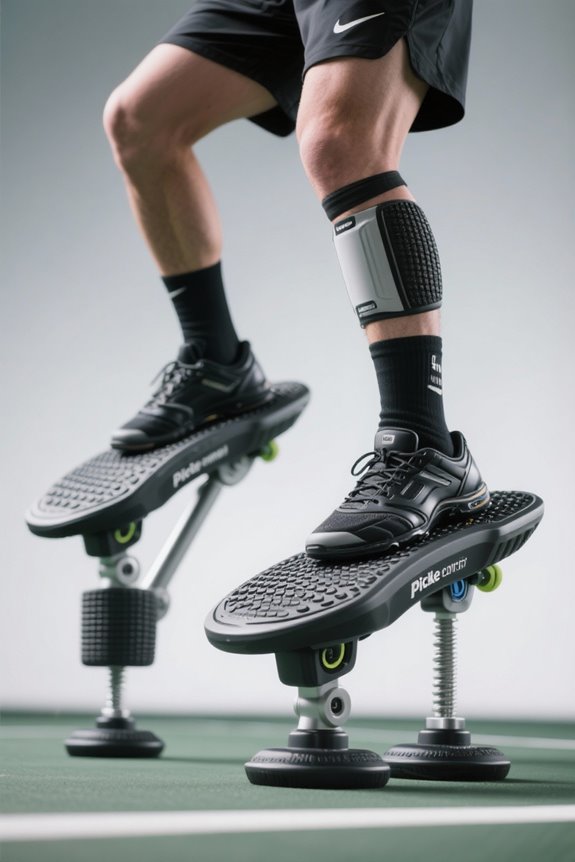
Lower body control is crucial for mastering the fast-paced demands of pickleball. Engaging in exercises like split squats and lateral band walks develops hip mobility and reinforces lower body alignment. Split squats target the quadriceps and glutes, which are essential for explosive movement. The starting stance should be positioned at about 60% of total height, placing stress on hip muscles effectively. Meanwhile, lateral band walks strengthen hip abductors, ensuring you maintain proper knee alignment over your toes. This method prevents compensatory movements that could lead to injuries. Incorporate step-ups to mimic on-court movements and improve knee stability. Consistent practice not only enhances performance but also minimizes the risk of injury during dynamic play on the pickleball court. Pairing these exercises with proper footwear that features non-marking rubber soles ensures maximum grip and stability while protecting the court surface during training and gameplay.
Enhancing Lateral Stability With Lunges
While many factors contribute to success on the pickleball court, enhancing lateral stability stands out as a critical component. Incorporating lateral lunges into regular training offers substantial lateral lunge benefits. These exercises not only boost balance but also strengthen leg muscles essential for quick lateral movements. To effectively implement lunges progression, start with body-weight lunges and focus on controlled depth to avoid knee strain. Gradually increase difficulty by adding weights or performing lunges at a faster pace. Consistent training—ideally two to three times a week—enhances agility and helps prevent injuries. Proper footwear with stability features can further support your lateral movement training and reduce the risk of injury during intense pickleball sessions. By emphasizing these exercises, players can improve their lateral stability, resulting in better court coverage and overall performance in pickleball matches.
Recommended Products
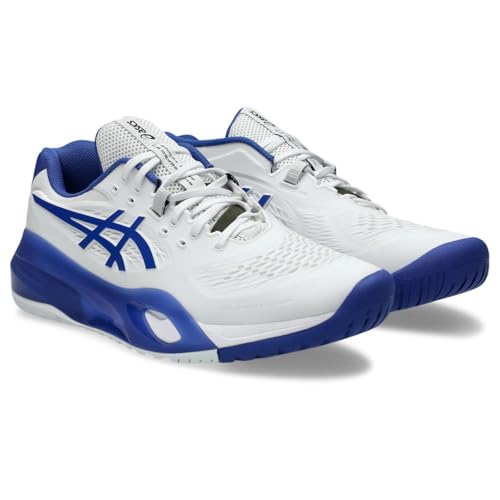
Optimises lateral movements and allows easy return to the starting position.

FLYTEFOAM technology: Provides lightweight cushioning and impact absorption
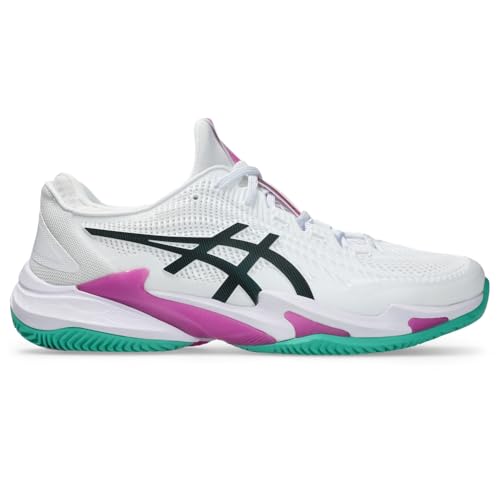
Advanced technology for superior cushioning and optimal energy return.
Strengthening the Posterior Chain
Strengthening the posterior chain is a vital aspect of enhancing overall stability and performance on the pickleball court. This group of muscles, including the glutes, hamstrings, and erector spinae, plays an indispensable role in movement mechanics. Effective strength training for the posterior chain enhances explosive power and stability, fundamental for executing powerful serves and quick lateral movements. Exercises like Romanian deadlifts and kettlebell swings effectively target these muscles, improving your control on the court. Aim for 2-4 sets of 12-15 repetitions per exercise, using proper form. Integrating these workouts into your routine can markedly reduce injury risk and boost overall performance. Emphasizing the posterior chain guarantees you stay competitive and injury-free during your pickleball matches. Additionally, selecting a paddle with proper weight distribution can complement your strengthened posterior chain by reducing strain during extended matches and improving overall court control.
Reactive Neuromuscular Training Approaches
Reactive neuromuscular training (RNT) serves as a powerful tool for enhancing performance in pickleball. By improving neuromuscular responsiveness, players can achieve better coordination among muscle groups. This training also boosts cognitive integration, allowing for quicker decision-making during stressful game situations. Practices like single-leg deadlifts and partner agility drills enhance dynamic stability and lower body speed, essential for maintaining court positioning. In addition, RNT reduces injury risks by refining neuromuscular control and joint stability, especially during unpredictable movements. Engaging in dual-focus exercises, which combine cognitive tasks with physical drills, can better prepare you to multitask effectively on the court. Just as proper footwear with excellent arch support helps distribute body weight evenly and reduce injury risk, RNT training develops the neuromuscular foundations needed for safe and effective movement patterns. This multifaceted approach ultimately leads to improved reaction times and overall game performance in pickleball.
Core Stability and Balance
Core stability plays a significant role in enhancing your performance on the pickleball court. It refers to how well your core muscles, including abdominals and lower back, can maintain balance during movements. Strong core strength helps with quick lateral movements, essential for hitting accurate shots. Incorporating stability drills such as planks, Russian twists, and single-leg balance exercises into your training can improve both agility and stability. These exercises also reduce the risk of injury by stabilizing your body during dynamic actions. By integrating targeted core exercises into your routine, players can not only enhance performance but also gain a competitive edge. A consistent focus on core stability will yield noticeable improvements in balance during games. Just as proper equipment like paddles with cushioned grips can absorb sweat and maintain secure holding during intense play, a strong core foundation helps you maintain control and stability throughout each match.
Flexibility’s Role in Movement
Flexibility plays an essential role in enhancing an athlete’s movement on the pickleball court. The benefits of flexibility are significant, as improved joint mobility allows players to reach shots more effectively. Greater flexibility reduces the risk of injury, particularly muscle strains and joint-related issues. Quick reactions and agile movements become more attainable when flexibility is prioritized. Key muscle groups such as the hamstrings, hip flexors, and shoulders need proper stretching to support dynamic play. Utilizing exercises like the figure four stretch and shoulder rolls can enhance this essential flexibility. Just as high visibility colors help players track the ball more effectively during play, maintaining flexibility allows you to track and respond to shots across the entire court. Ultimately, by integrating flexibility training into your routine, you will improve your overall performance, enabling you to dance around the court with confidence and ease.
Mobility Exercises for Improved Posture
When considering the importance of mobility exercises for improved posture, players can greatly benefit from specific movement routines. Thoracic rotations and foam rolling are essential for enhancing spinal flexibility and reducing stiffness, vital for effective pickleball swings. By incorporating exercises like hip thrusters and side lunges, players strengthen their hips and improve lower back mobility, facilitating quick directional changes. Core strengthening exercises, such as planks and Russian twists, provide support for better posture correction. Additionally, shoulder rolls and neck rolls relax muscles while enhancing stability. These mobility benefits contribute markedly to improved performance on the court, ensuring that players maintain proper body alignment and balance during gameplay. Ultimately, consistent practice of these exercises can lead to enduring improvements in posture.
Cross-Training Options for Balance
While diversifying training routines might seem intimidating, cross-training options for balance can greatly enhance your pickleball performance. Incorporating running offers numerous benefits; it builds cardiovascular endurance, essential for those lengthy matches. Additionally, the proprioceptive feedback developed from running improves your foot strike, which helps during fast, lateral movements on the court. On the other hand, cycling presents distinct advantages. It conditions your muscles while being gentle on your joints, ensuring you’re not sidelined by overuse injuries common in pickleball. Along with swimming and yoga, these activities cultivate overall balance and stability, making your shifts on the court smoother. By integrating running and cycling into your regimen, you can enjoy a well-rounded approach to pickleball training.
Recommended Products

MEN'S SUPPORTIVE RUNNING SHOE: Prepare for smooth transitions with the Glycerin GTS 22, featuring DNA Tuned, the latest midsole technology that seamlessly blends and integrates dual-size cells, ensuring a balance of luxurious cushioning and energetic toe-offs plus GuideRails support keeps excess motion at bay to help stabilization. The Brooks Glycerin GTS 22 is a certified PDAC A5500 Diabetic shoe. Predecessor: Glycerin GTS 21.

Go Further: Our original Altra EGO foam is designed to provide added energy return and a responsive, yet soft, comfortable feel.

✔️ ADD REAL SPIN IN JUST MINUTES A DAY – Stop hitting flat shots that float long or pop up for easy put-aways. The TopspinPro shows you the exact paddle angle and wrist action to create true topspin - turning your drives into controlled winners and your dinks into precision shots that drop perfectly over the net.
Effective Programming for Balance Training
Effective programming for balance training plays an indispensable role in enhancing pickleball performance. Incorporating dynamic training methods is imperative. For example, exercises like the 4-Way Cone or Tape Reach mimic rapid directional movements, crucial in gameplay. Balance drills, such as Single Leg RDL with Ball Dribble or Foot Rotational Balance Reaches, build stability and body control. Additionally, integrating core strength exercises, like planks and rotational core work, guarantees a solid foundation. Combining lunges and squats can improve lower limb strength, which is pivotal for quick movements. To keep your program effective, regularly increase exercise difficulty and maintain variety. Engaging in these balanced workouts, tailored to game scenarios, will enhance your overall performance on the court, making you a more formidable player.
Recommended Products

Train Anywhere – No court? No excuses! Set up the rebounder in your garage, driveway, or backyard. Practice anytime, anywhere, and keep your skills sharp with zero court dependency.
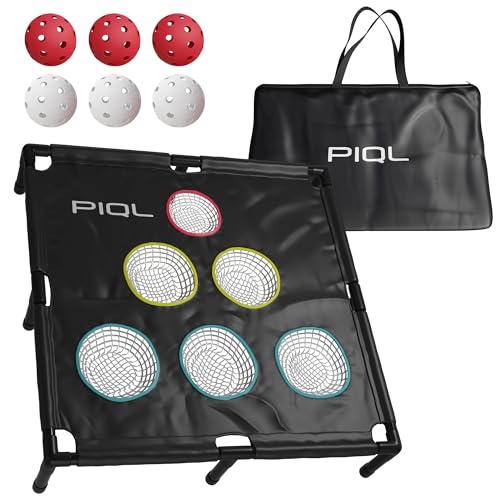
Precision Training: Our PATENT PENDING pickleball training equipment is specifically engineered to enhance your accuracy, control, and power. Whether you're a beginner or an advanced player, you'll notice an immediate improvement in your shots and overall performance.

Adjustiable hurdle heights: The cross and vertical poles of the hurdle are connected by a roating clamp that you can adjust the position of the clamp on the pole to achieve the adjustment of the height of the hurdle.
Monitoring Progress and Improving Form
Monitoring progress and improving form in pickleball are essential for developing a player’s overall skills and ensuring long-term success on the court. By utilizing data analysis and systematic logging, players can track metrics like serve accuracy and shot consistency. For example, an increase from 60% to 75% accuracy in serves over one month signifies tangible progress. Wearable devices, such as Apple Watches, provide performance feedback on heart rate and strain, optimizing training intensity. Apps like SwingVision offer real-time shot accuracy feedback, aiding immediate adjustments. Regular video analysis allows players to visually assess movement flaws, enhancing balance and technique. By actively monitoring these aspects, players can make informed improvements, targeting specific weaknesses that affect their stability during dynamic play.
Frequently Asked Questions
How Often Should I Incorporate Balance Training Into My Routine?
Frequency suggestions recommend incorporating balance training 2-3 times per week. Combining this with training variety, such as strength exercises and agility drills, enhances performance and stability, leading to more effective and enjoyable workouts.
Can Balance Training Benefit Other Sports Besides Pickleball?
Balance training benefits various sports, enhancing agility, control, and stability. This sport crossover enriches performance, as athletes gain improved movement efficiency and reduced injury risk, showcasing balance’s essential role across athletic disciplines beyond any single sport.
What Are Common Mistakes in Balance Training Exercises?
Common mistakes in balance training exercises include using incorrect form and setting unrealistic expectations. These errors hinder progress and can lead to injuries, diminishing the effectiveness of the training intended to improve overall stability and coordination.
Are There Age-Specific Considerations for Balance Training?
Age-specific considerations for balance training emphasize senior adaptations, utilizing lighter equipment to lessen joint strain, while youth focus on dynamic exercises to build strength. Adapting techniques for varying ages fosters an all-encompassing approach to balance and stability.
How Do I Know if My Balance Is Improving?
Improvements in balance can be gauged through regular balance assessments, noting enhanced agility and reduced falls. Incorporating stability drills into practice routines also helps track progress and indicates overall balance enhancement during performance.


