As an Amazon Associate, we earn from qualifying purchases. Some links on this site are affiliate links at no extra cost to you. Our recommendations are based on thorough research and editorial judgment.

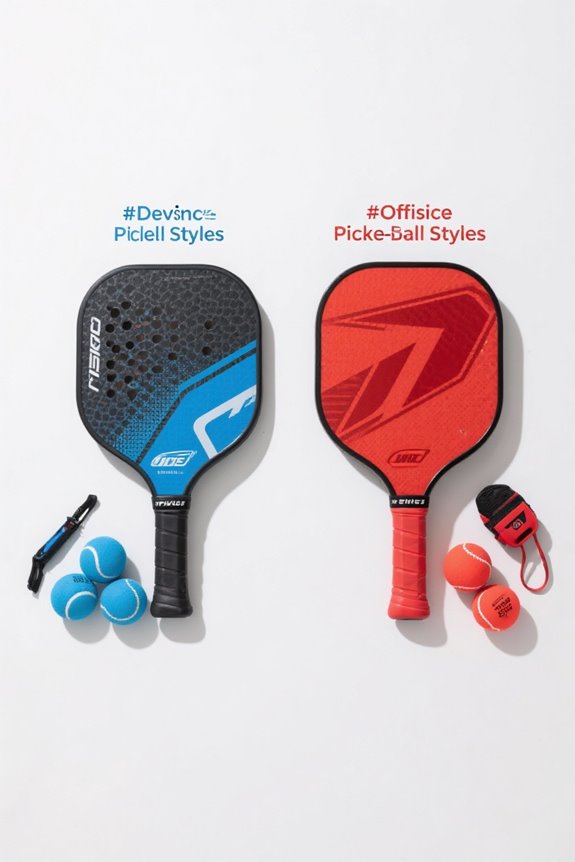
Defensive Vs Offensive Pickleball Styles

Studio photograph showcasing contrasting pickleball equipment against pristine white backdrop. Left side displays defensive gear: control-focused paddle with textured surface, softer balls, and precision-oriented accessories in cool blue tones. Right side features offensive equipment: power paddle with aerodynamic design, harder balls, and aggressive play accessories in vibrant red hues. Professional catalog-style composition with centered placement, crisp shadows, and premium lighting highlighting texture details. Commercial-grade 8k photography emphasizes equipment quality and strategic gameplay differences through color psychology and minimalist presentation. Crystal-clear focus reveals material craftsmanship and performance-driven design elements.
# Defensive Vs Offensive Pickleball Styles
In pickleball, players can adopt either an offensive or defensive style. Offensive players focus on aggressive shot-making and seize quick scoring opportunities. They employ powerful forehands and net volleys. Conversely, defensive players prioritize control and stability, using dinks and block shots to disrupt opponents. Both styles require effective communication and footwork. Shifting between them is essential for maintaining an advantage. Understanding these strategies will enhance your gameplay and adaptability on the court, opening up new avenues for improvement.
Key Takeaways
- Offensive pickleball emphasizes aggressive shot-making, using powerful forehands and quick volleys to capitalize on scoring opportunities.
- Defensive pickleball focuses on control and patience, utilizing dinks and blocks to disrupt opponents’ rhythm without aggressive scoring.
- Transitioning requires keen anticipation and footwork, allowing players to shift between offensive and defensive strategies effectively during play.
- Communication with partners is essential in doubles for maintaining coverage and coordinating defensive or offensive maneuvers.
- Mastery of psychological tactics and situational adaptability enhances both offensive and defensive performance on the court.
Understanding Offensive Pickleball Style
Offensive pickleball style represents a dynamic approach to the game that emphasizes aggressive shot-making and strategic positioning. Central to this style are effective offensive tactics and precise shot selection. Players often utilize overhead smashes to finish points, while powerful drives target opponents’ feet, advancing court control. Volleys near the net enable quick scoring opportunities, and topspin shots increase pressure, forcing errors. Maintaining ready positioning, particularly near opponents’ weaker side, further enriches offensive strategies. Mixing shot types, such as deep drives with targeted drop shots, creates unpredictability and can lead to errors from competitors. Offensive players often prefer elongated paddles like the TENVINA THRUST, which features a larger sweet spot specifically designed to enhance aggressive shot-making capabilities. By focusing on situational awareness and exploiting openings, players can consistently dominate rallies, enhancing their offensive game and overall performance in pickleball.
Recommended Products

NEW KINETICFRAME TECHNOLOGY: Inspired by the way a hockey stick flexes to load and release energy, KineticFrame construction adapts to your swing—delivering explosive power on aggressive drives while maintaining control and forgiveness for defensive play.

UNMATCHED CONTROL & POWER: Experience the best of both worlds with the STIGA 3K 2 Cybershape padel racket engineered for advanced and competition players seeking both precision and acceleration. Its stiff carbon frame provides explosive power when needed, while maintaining exceptional control in defensive or high-pressure play situations.

Elite Carbon Fiber Pickleball Paddle For Advanced Players: Designed for competitive athletes seeking precision and power, the TruFoam Barrage carbon fiber pickleball paddle delivers explosive drives, fast hands at the net, and confident shot placement. Ideal for advanced players who demand maximum spin, control, and responsiveness during high-speed rallies. Every CRBN Paddle comes with a free Neoprene Paddle Cover.
Key Characteristics of Defensive Pickleball
Defensive pickleball style serves as a counterbalance to its offensive counterpart, prioritizing control, patience, and strategic responses. Players often adopt a balanced stance, keeping feet shoulder-width apart for stability. Positioning near the baseline enhances court coverage, while staying light on the feet allows for quick directional movements. Key shot selection techniques include blocking to absorb power and dinking for precision, disrupting opponents’ rhythm. A strong player mindset is essential, focusing on controlling the game’s pace rather than outright scoring. Effective communication with partners aids in maintaining coverage and minimizing gaps in defense. Through diligent practice, players can refine techniques like the split-step and lob shots, honing their ability to neutralize aggressive plays effectively. Proper ankle support becomes crucial during these extended rallies, as defensive players require lateral motion stability to maintain their positioning and prevent injury from constant side-to-side movements.
Recommended Products
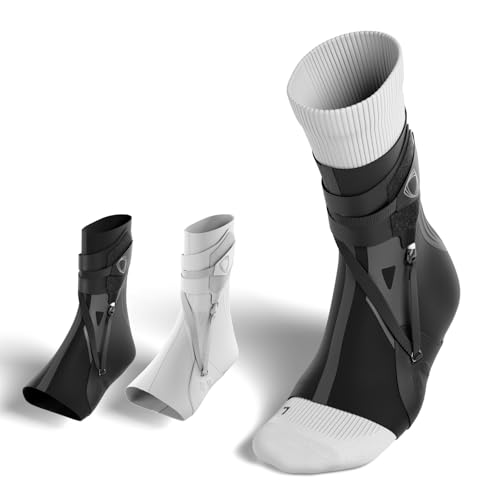
#1 Sports Ankle Brace Trusted by Pros: Worn by NFL, NBA, MLS, and NCAA athletes, The BetterGuard 3.0 is the ultimate ankle brace for injury prevention and performance. Trusted by men, women, and teens for basketball, soccer, football, volleyball, and more. Built for athletes at every level.

#1 FOOTBALL ANKLE BRACE FOR STABILITY: Experience 2.4x more lateral support than inside-the-shoe braces without limiting the ability to run/push off

#1 Best All-Sports Ankle Brace, Trusted by Pros: Worn by top NFL, NBA, MLS, and NCAA athletes—The BetterGuard 2.0 delivers advanced ankle protection without compromising performance. It offers dynamic support and mobility for any sport or training regimen.
Transitioning Between Offensive and Defensive Strategies
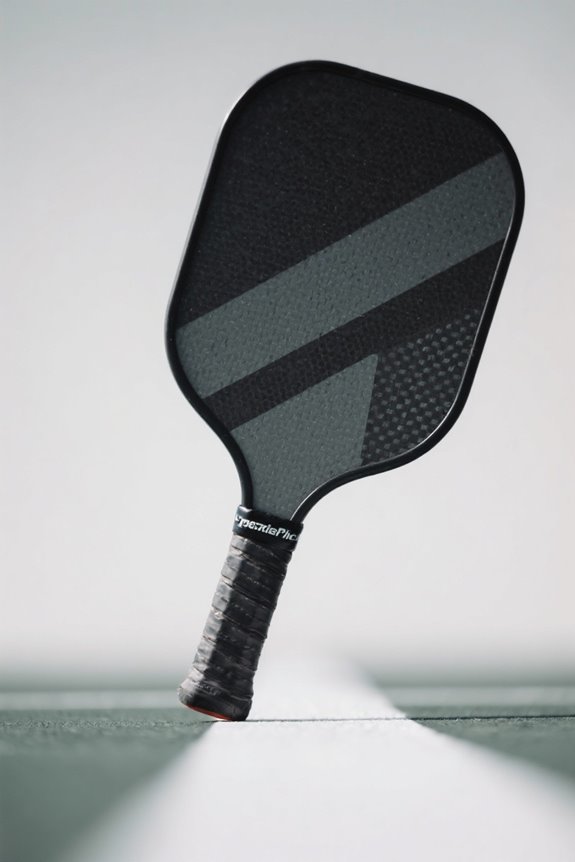
In pickleball, mastering the art of shifting between styles is essential for success on the court. Switching between offensive and defensive strategies requires keen anticipation and awareness. It involves reading opponents’ body language to gauge switching nuances effectively. Timing your shift is vital; knowing when to counterattack or reset can turn the tide of a match. Footwork is foundational—your split-step guarantees balance as you decide to advance or retreat. Communicating with doubles partners enhances overall strategy, making shifts smoother. Regular drills focusing on shot selection and controlled movements create muscle memory. Just as tennis players benefit from proper gear organization with multiple compartments to quickly access equipment during matches, pickleball players need efficient organization of their paddles and accessories to maintain focus during strategic transitions. Ultimately, your ability to adapt during switches determines your effectiveness in transforming defense to offense, keeping opponents on their toes.
Recommended Products

Separate padded compartment accommodating two (2) tennis racquets or three (3) pickleball paddles. Complementary wristlet for a seamless ensemble. Crafted from durable Saffiano cross-grain faux leather.

Court Couture signatured Monogram material with vintage racket print.
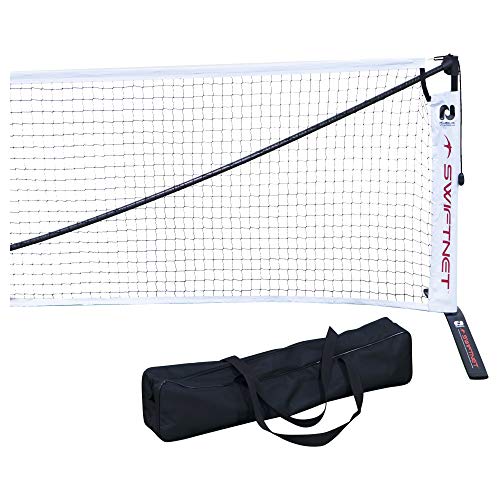
Carbon Fiber Construction: Our pickelball net is made with a carbon fiber frame, ensuring durability and lightweight portability. This swiftnet 2.1 portable pickleball net system is designed for easy transport and setup, making it perfect for both indoor and outdoor use.
Key Shots in Offensive and Defensive Play
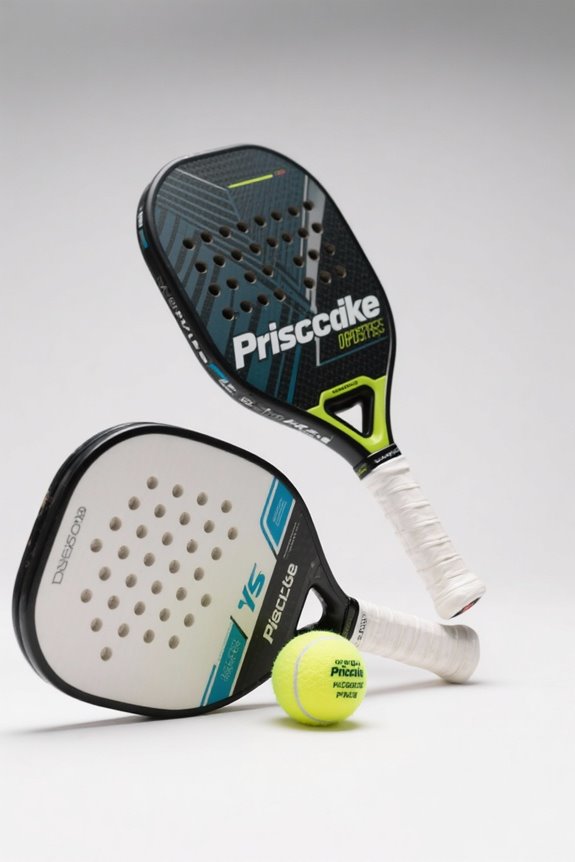
Key shots define the effectiveness of both offensive and defensive play in pickleball. Offensive shots like powerful forehands and overhead smashes are vital for pressuring opponents. These aggressive plays often force opponents into difficult positions, allowing you to control the game. Defensive shots, such as dinks and block shots, play an essential role in absorbing and redirecting the opponent’s attacks. Key strategies involve effective combinations, like using lobs to reset the point after an aggressive shot. By alternating shot types and varying placement, players can disrupt their opponents’ rhythm. Mastery of both offensive and defensive shots guarantees that you can adapt to the game’s ebb and flow, ultimately leading to a more balanced and strategic playstyle. Professional paddles with honeycomb cores provide excellent shock absorption and larger sweet spots, enhancing both offensive power and defensive control during these key shots.
Recommended Products

Midweight Range: 7.7 – 8.1 oz. | Grip Circumference: 4 1/4" | Grip: Selkirk Geo Grip | Handle Length: 4 3/8" | Paddle Length: 15 3/4" | Paddle Width: 8"

USA PICKLEBALL APPROVED & PBCoR 43 CERTIFIED — Play in any sanctioned tournament with confidence. The CPX Ultra meets the strictest equipment standards in the sport, so you're always competition-ready.

【Tournament Standard Regulation Size】This 22ft pickleball net meets official USAPA specifications with a 36-inch side height and 34-inch center. Perfect for competitive matches, club training, or professional practice on any flat surface.
Court Positioning for Offensive Play
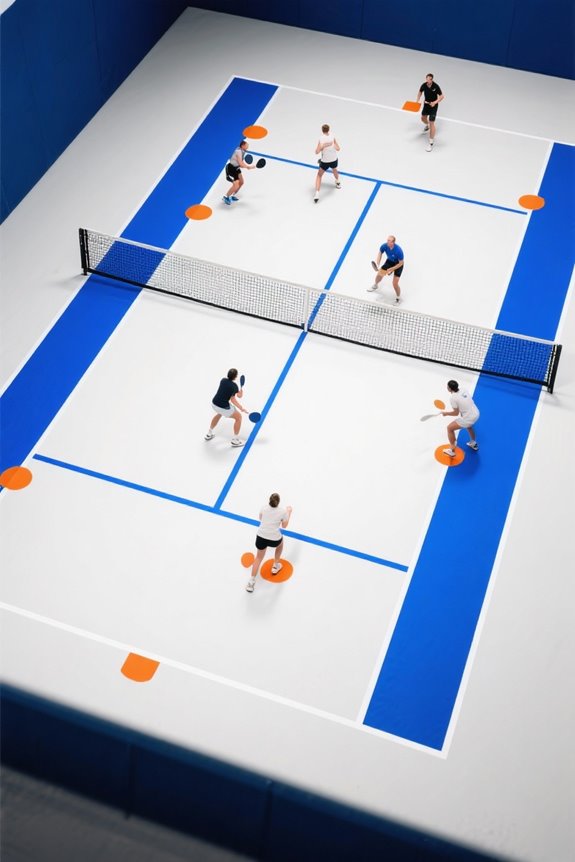
Effective court positioning is a game-changer for players looking to enhance their offensive strategy in pickleball. Shifting quickly from the baseline to the kitchen is vital. Using the “return and run” tactic, players should aim to reach the kitchen after each serve. This positioning maximizes offensive pressure and control. In doubles, maintaining a side-by-side formation near the kitchen line allows for balanced court coverage, reducing gaps for opponents. Exploiting court angles with sharp shots disrupts positioning and creates offensive chances. Additionally, dinking at the kitchen line can pressure opponents, forcing awkward returns. Being ready for lobs is essential; quick footwork keeps players agile. Advanced players benefit from using paddles with larger sweet spots, which can improve shot accuracy by up to 30% when executing offensive positioning strategies. Overall, strategic positioning in the kitchen enhances control and paves the way for winning shots.
Recommended Products

IDEAL FOR PRACTICE - Allows new lacrosse players to feel more at ease and confident. The softer outer fabric is both less intimidating and doesn’t hurt as bad if you get hit by a ball.

FAMILY-OWNED: At Selkirk, we are committed to fueling the pickleball obsession found within every player. Through uncompromising quality and a never-satisfied drive for innovation, we serve players around the world from beginners to pros.

Durable Aramid Weave Surface - This professional pickleball paddle's special Aramid weave surface offers exceptional strength and longevity, ensuring optimal performance and precision on the court.
Defensive Positioning and Stance
When players engage in defensive pickleball, proper positioning and stance are essential for guaranteeing readiness against their opponents’ advances. A stable base, with feet shoulder-width apart, allows for quick lateral movement. Players should maintain an athletic stance, distributing their weight evenly. This positioning supports effective defensive anticipation techniques, enabling them to predict their opponent’s shot direction. Staying on the balls of their feet enhances reaction time, vital during fast-paced rallies. Incorporating lateral movement drills into practice not only improves agility but also assures thorough court coverage. Additionally, players must remain high alert and adjust paddle height based on incoming shots. This combination of stance and readiness solidifies the foundation for a successful defensive strategy on the court. Choosing footwear with durable rubber outsoles can provide the traction needed for quick defensive movements and optimal court coverage during play.
Psychological Factors in Offensive vs. Defensive Play
How do psychological factors influence the strategies players adopt on the pickleball court? Player psychology greatly shapes game outcomes, affecting mental strength and shot execution. Defensive players rely on patience, maintaining focus during rallies to minimize errors. Conversely, offensive players channel confidence into aggressive tactics, accepting risks that enhance psychological resilience. High-pressure moments can lead to anxiety, which often results in risk-averse behavior or excessive aggression. A balanced mindset is essential; fear of mistakes may diminish offensive effectiveness. Successful players often employ mental rehearsal techniques to bolster confidence. Selecting equipment that matches your playing style, such as paddles with an enlarged sweet spot for defensive consistency or advanced carbon fiber surfaces for offensive spin control, can reinforce psychological confidence during competitive play. Ultimately, understanding these psychological dynamics can improve style effectiveness, allowing players to adapt strategies in response to situational demands, thereby maximizing performance during matches.
Strategies for Effective Style Implementation
Shifting from the implications of player psychology, the strategies for effective style implementation in pickleball require a keen understanding of both offensive and defensive techniques. Players must develop style adaptability by mastering shot absorption and quick repositioning on the court. Strategy selection is essential; incorporate serves with pace control and shot variety to maintain pressure on opponents. Factor in shifts between styles, seamlessly moving from a defensive lob to an aggressive smash. Emphasize paddle positioning to counter effectively, while also using psychological tactics like baiting to confuse adversaries. Coordination with partners enhances coverage and allows for dynamic court management, ensuring responsiveness to any match situation. Regular practice of these strategies hones skill and boosts overall game performance. Proper footwear with good traction and grip enables the quick directional changes and controlled movements necessary for executing both defensive repositioning and offensive attacks effectively.
Frequently Asked Questions
Can I Combine Offensive and Defensive Styles in One Match?
Yes, players can effectively combine offensive and defensive styles within a match. This style fusion enhances match strategy, allowing for dynamic adjustments that capitalize on opponents’ weaknesses while maintaining control over the game flow and positioning.
How Do Injuries Affect a Player’s Style Choice?
Injuries greatly affect a player’s style choice, often leading to a focus on injury prevention. Player adaptability manifests as a shift towards more conservative, defensive strategies, emphasizing control and placement over aggressive, high-risk shots to guarantee continued participation.
What Physical Attributes Benefit Offensive or Defensive Styles?
Agility training enhances quick movements for offensive players, while strength conditioning improves stability and control for defensive techniques. Both attributes are essential for optimizing performance and adapting to various in-game scenarios effectively.
Are There Specific Drills for Improving Both Styles?
Drill variations can enhance skill development for both styles. Techniques like the split-step technique, traffic light decision drill, and switching responsibilities contribute to efficient movement and tactical awareness, bridging the gap between defense and offense effectively.
How Does Playing Surface Impact Style Effectiveness?
A player on a concrete court experiences rapid ball responses due to surface friction, enhancing offensive play. In contrast, a cushioned court promotes defensive strategies, favoring placement and control over aggressive shots, thereby influencing overall style effectiveness.