As an Amazon Associate, we earn from qualifying purchases. Some links on this site are affiliate links at no extra cost to you. Our recommendations are based on thorough research and editorial judgment.


Reading Your Opponent’s Body Language in Pickleball

Reading your opponent’s body language in pickleball is essential for anticipating their moves. Analyze their stance; a wide base often indicates readiness, while a narrow stance might signal hesitation. Pay attention to paddle position; a high paddle suggests defense, while a low one hints at aggression. Observe eye movements for cues on shot direction. By mastering these indicators, players can respond strategically. Continue exploring this approach to uncover more insights that can elevate your gameplay.
Key Takeaways
- Observe your opponent’s stance; a wide stance indicates readiness, while a narrow stance can suggest hesitation or uncertainty.
- Monitor paddle grip and position; a tight grip signals power, whereas a loose grip indicates finesse or a tactical play.
- Track eye movements; direct gazes suggest focus on a particular shot, while subtle shifts can hint at deceptive plays.
- Watch for footwork patterns; quick lateral movements indicate readiness for aggressive shots, while slow movements suggest defensiveness or fatigue.
- Analyze shoulder and hip alignment; rotation towards the target reveals intent and helps predict shot direction effectively.
Understanding Paddle Face Angles
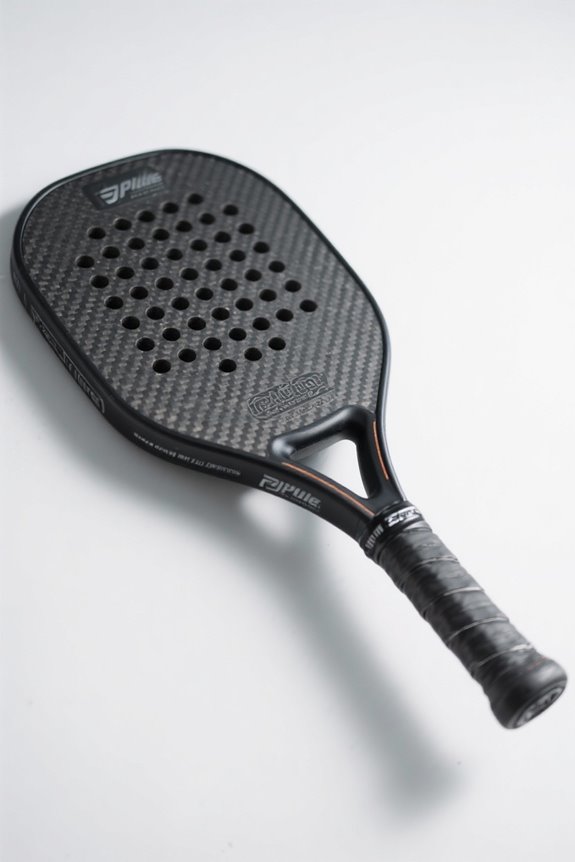
In the fast-paced game of pickleball, mastering paddle face angles can be the difference between a winning shot and a costly error. Paddle face control directly influences shot trajectory, making its grasp vital for every player. An open paddle face, which angles upward, is essential when hitting balls below the waist, ensuring they clear the net. Conversely, a closed face angles downward, perfect for shots above the waist, especially when applying topspin. It’s important to adjust your paddle angle slightly at contact; even small tweaks can change a shot’s path. Avoid flipping or snapping the paddle, as this can lead to unforced errors. Advanced players often use paddles with textured carbon fiber surfaces to maximize spin control when adjusting face angles during crucial points. With consistent practice and awareness, players can effectively utilize paddle angles to enhance their performance and shot precision.
Analyzing Body Positioning
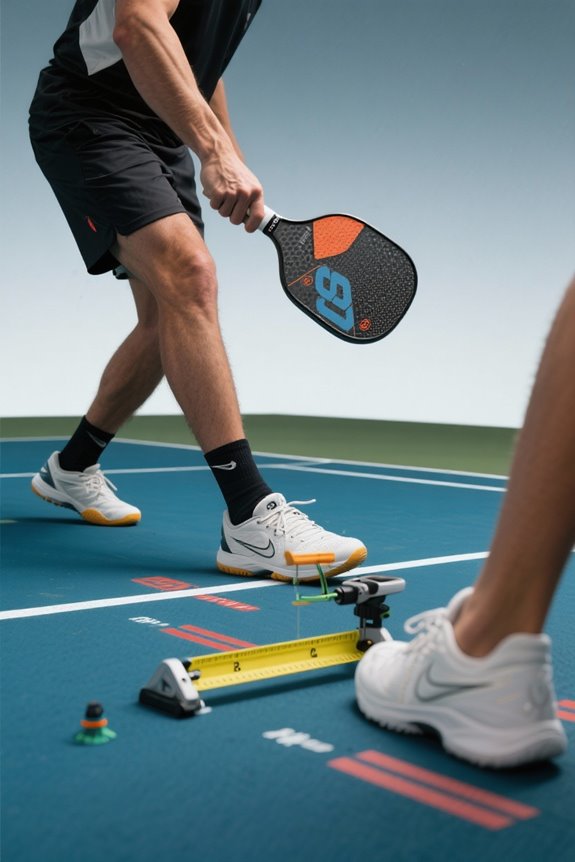
Body positioning plays an essential role in determining success on the pickleball court. Observing body shifts can provide significant insights into an opponent’s intentions. For instance, early shifts toward one side often reveal their target direction, while aggressive forward steps signal offensive moves. A player’s foot placement just behind the no-volley line enhances their reaction timing, allowing quick volleys. Defensive players may exhibit hesitant movements or deeper positioning, indicating a reactive strategy. Conversely, open trunk and hip orientations forecast aggressive plays. Recognizing these patterns helps anticipate your opponent’s next move. Just as proper footwear with quality traction and stability features enables quick lateral movements on the court, reading body language allows you to respond effectively to your opponent’s positioning. Ultimately, being attuned to body positioning and shifts allows players to enhance their game and strategically react to varying styles and situations on the court.
Interpreting Eye Movements

How effectively can players interpret eye movements to gain an advantage in pickleball? Eye tracking reveals a wealth of information about opponents’ intentions. Elite players often show rapid saccadic movements, allowing them to track both the ball and their rivals efficiently. This visual agility minimizes reaction times and enhances gameplay. By focusing on the target area pre-shot, players can prepare for rapid responses. Additionally, monitoring an opponent’s gaze can provide clues about their next move. Understanding these eye movements grants players a tactical advantage, enabling them to anticipate shots and react quickly. Through training, athletes can refine their eye movement techniques, further improving their in-game performance and strategic prowess. Just as proper footwear with durable rubber outsoles provides the traction needed for quick lateral movements on the court, mastering visual cues enables players to position themselves optimally for returns.
Recognizing Handedness Trends

Recognizing trends in handedness can greatly influence strategies and performance in pickleball. Observational data suggests a right-handed prevalence among players, which aligns with general athletic patterns. Understanding these handedness trends helps in positioning and shot selection during matches. For instance, left-handed players, though fewer, often possess an advantage through unfamiliar spins and angles, creating tactical mismatches against right-handed opponents. Doubles teams may benefit from pairing opposite-handed players to enhance court coverage. This approach, borrowed from tennis, can effectively exploit weaknesses in rivals. Players are encouraged to assess their opponents’ handedness early in the game, as this awareness can greatly affect gameplay and improve performance in this rapidly growing sport. Beyond reading body language, investing in shoes with durable rubber outsoles ensures the stability and traction needed to quickly adjust positioning when responding to an opponent’s dominant hand.
Identifying Athletic Backgrounds
Understanding the athletic backgrounds of opponents can greatly enhance strategy in pickleball. By analyzing athletic background insights, you can identify specific movement patterns. For instance, tennis players often demonstrate longer strides, while basketball players exhibit quick lateral movements. Recognizing these traits helps predict how opponents might play. Observe their foot stance and grip; wider stances suggest a basketball or football background, while narrower stances may indicate a tennis player. Additionally, watch for pre-shot body language; the way players rotate their shoulders can reveal their training habits. This movement pattern recognition allows you to adjust your strategy effectively, staying one step ahead. Ultimately, knowing these backgrounds enhances your gameplay, helping you anticipate and counter their style. Pay attention to their paddle grip size and handle length, as proper grip size typically ranges from 4 to 5.8 inches in circumference and can indicate both their comfort level and playing experience.
Recommended Products

IDEAL FOR PRACTICE - Allows new lacrosse players to feel more at ease and confident. The softer outer fabric is both less intimidating and doesn’t hurt as bad if you get hit by a ball.

THE STANDARD ON COURT: USAP approved, chosen as the official ball for both the US Open Pickleball Championships and USA Pickleball, and engineered for official size and weight, these pickleball balls deliver consistent performance for both pro and amateur players

FAMILY-OWNED: At Selkirk, we are committed to fueling the pickleball obsession found within every player. Through uncompromising quality and a never-satisfied drive for innovation, we serve players around the world from beginners to pros.
Anticipating Shot Types Through Rhythm
Anticipating shot types through rhythm can greatly elevate your gameplay in pickleball. By observing an opponent’s shot rhythm, you can predict their next move. For example, a baseline basher typically maintains a fast rhythm with powerful strokes, whereas a finesse player may slow down for delicate shots. Player anticipation hinges on recognizing these patterns. A quick paddle preparation often indicates a reactive shot, while a more deliberate setup suggests a powerful delivery. Additionally, watch for weight shifts that signal potential spin or power. By tuning into these nuances, you can make informed decisions, ultimately enhancing your performance. As you refine this skill, your ability to read opponents will become sharper, leading to strategic advantages on the court. Just as proper footwear with effective cushioning and stability features supports quick lateral movements during play, developing rhythm recognition enables you to respond swiftly to your opponent’s shot patterns.
Recommended Products

Nike React technology is a lightweight, durable foam that delivers a smooth, responsive ride.
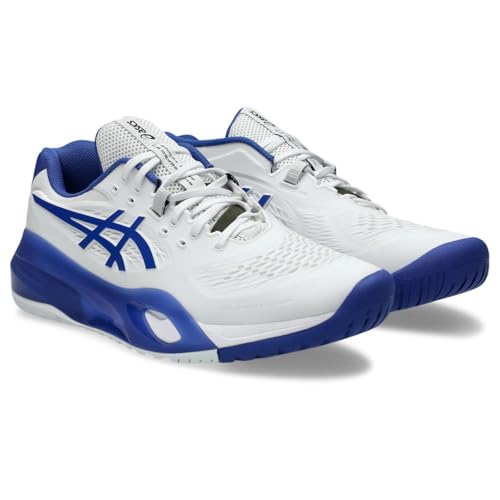
Optimises lateral movements and allows easy return to the starting position.
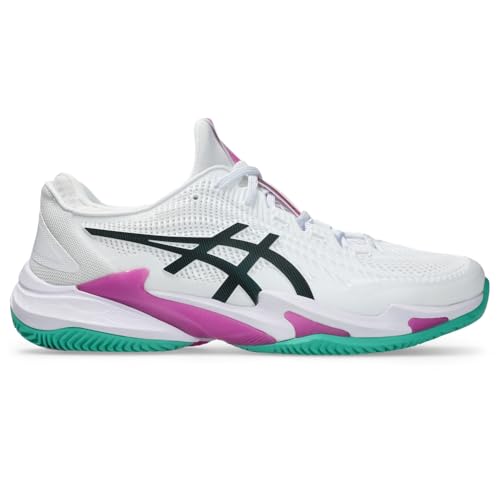
Advanced technology for superior cushioning and optimal energy return.
Observing Footwork Patterns
Often, the footwork patterns of opponents reveal critical insights into their intentions during a pickleball match. Observing these footwork techniques can help players anticipate their opponent’s next move. For instance, quick lateral steps often indicate readiness for wide shots, while lacking movement may suggest a conservative return. Remarkably, crossover steps or pivots can highlight offensive strategies. Monitoring subtle shifts in weight allows you to predict shot types before they occur. By understanding these patterns, players can improve their strategic positioning. Recognizing repeated footwork tendencies early in the game provides a competitive edge, making it easier to counter opponents effectively. Such insights contribute greatly to gameplay and enhance overall performance on the court. Staying properly hydrated with a leak-proof water bottle allows you to maintain focus on reading these subtle body language cues throughout long matches.
Recommended Products

[Personalized Bottle for Women]:Searching for the personalized Birthday Mother's Day, Christmas, Thanksgiving, Valentine's Day, or Anniversary gift?This custom water bottle is a great choice. Customize the water bottle with a name.quote, or message to surprise your mom, dad, lover, friends, teachers,colleagues or even treat yourself! lt's a heartfelt, practical gift that combinesfunctionality with personalization

Ideal Gift Choice: Our bottle will be personalized and shipped in the USA. You can customize the tumblers with photos, logos or text according to your preferences.It is sure to be a great gift to mother, father, wife, husband, son, daughter, friends or yourself.

PRINTED in USA:All SMLIXE stainless steel water bottles are personalized and sent from USA. The patterns,waterproof and heat resistant stick on cup all life span
Gauging Opponent’s Balance and Posture
Body language plays a pivotal role in gauging an opponent’s balance and posture during a pickleball match. Observing the opponent stance reveals significant insights; a wide stance often indicates readiness for a powerful shot, while a narrow stance suggests a softer approach. Weight distribution is another key factor; players typically lean forward when preparing to attack and backward when defending. Posture analysis can include examining hip alignment and knee bend, which indicate shot direction and readiness for quick movements, respectively. Body awareness is essential, as postural shifts can signal changes in strategy. By paying attention to these cues, players can anticipate incoming shots and adapt their strategies effectively, maximizing their chances for success on the court. Maintaining optimal court positioning requires consideration of your physical strain, and using a tennis ball hopper can help preserve energy during extended practice sessions by reducing the repetitive bending required for ball collection.
Reading Paddle Movement and Flicks
One of the most critical aspects of predicting your opponent’s next move in pickleball lies in reading paddle movement and flicks. Observing paddle grip dynamics can reveal intents: a tight grip often signals a powerful hit, while a loose grip points to finesse shots. Pay attention to high or low paddle positions; these typically indicate a defensive stance or an aggressive drive, respectively. Additionally, wrist flick techniques deliver further insight. A subtle flick might suggest spin, while an extended flick can indicate a topspin drive. By noting these cues—like sudden grip changes or paddle angles—you enhance your ability to anticipate your opponent’s next play, gaining a strategic edge on the court. Just as tennis players benefit from denser string patterns for exceptional feedback and accuracy, pickleball players can gain similar advantages by observing the subtle details in their opponent’s paddle work. Awareness is key to effective gameplay.
Assessing Shot Direction via Shoulder and Hip Alignment
Evaluating shot direction in pickleball relies heavily on understanding shoulder and hip alignment. Observing shoulder cues is essential; for instance, when a player turns their opposite shoulder toward the target, it indicates their intended shot direction. This movement initiates hip dynamics, coordinating overall body alignment. An aligned shoulder with rotated hips enhances stability and control. It also reveals whether the player is setting up for a soft dink or a forceful drive. An aggressive stance, characterized by a forward-rotated shoulder and aligned hips, often targets the opponent’s weaker side. By monitoring these elements, players can anticipate shot placement, gaining critical milliseconds for better positioning, ultimately increasing the chances of a successful return and engagement in the game. Maintaining organized gear with efficient storage compartments in your pickleball bag allows for quick access to paddles between games, ensuring you stay focused on reading your opponent’s movements.
Detecting Deceptive Plays Through Eye Shifts
How can players enhance their ability to detect deceptive plays in pickleball? Eye tracking is essential for recognizing opponents’ intentions. Players can observe subtle eye shifts, which serve as predictive cues for an incoming shot. Enhanced peripheral vision allows you to notice these shifts, aiding your reaction time. Training tools like Vizual Edge improve visual processing skills, which can help interpret these cues more effectively. Saccadic movement training sharpens your ability to quickly shift focus between the ball and your opponent, enhancing overall performance. The integration of court awareness strategies reinforces your understanding of geometry and positioning, fostering swift anticipation of deceptive plays. This combination of techniques will lead to improved decision-making during games.
Targeting Weaknesses in Backhand
Recognizing and exploiting an opponent’s weaknesses in their backhand can greatly impact a pickleball match. Observing consistent patterns, such as a preference for forehands or frequent mis-hits, indicates vulnerabilities. When opponents struggle with backhand techniques, strategic shot selection becomes key. Serve to their backhand corner, forcing them into uncomfortable positions. Consider utilizing slice returns, which can skid low and exploit those lacking control on their backhands. Additionally, deep pushes to the backhand can provoke weak responses. Maintaining awareness of their footwork can reveal opportunities to target weaknesses. By applying pressure on their backhand, you considerably increase the chances of forcing errors and gaining positional advantages within the game. Stay observant and adapt your strategy accordingly for ideal results.
Recommended Products

Elite Carbon Fiber Pickleball Paddle For Advanced Players: Designed for competitive athletes seeking precision and power, the TruFoam Barrage carbon fiber pickleball paddle delivers explosive drives, fast hands at the net, and confident shot placement. Ideal for advanced players who demand maximum spin, control, and responsiveness during high-speed rallies. Every CRBN Paddle comes with a free Neoprene Paddle Cover.
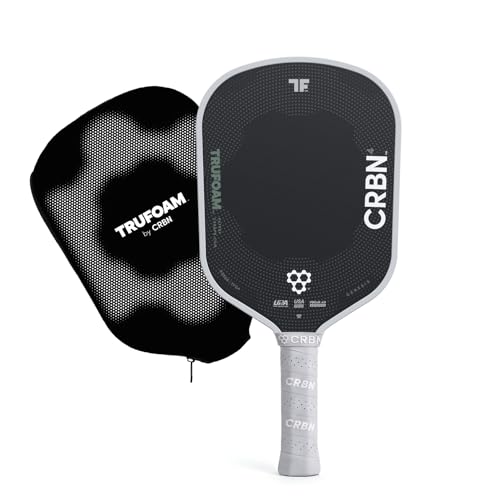
Built for the Future: CRBN TruFoam Genesis is more than just a paddle—it's the next evolution in pickleball. The carbon fiber pickleball paddle is the result of 18 months of development, more than 200 prototypes, and a complete reimagining of paddle technology. Made for players who demand performance, precision, and durability.

CERTIFIED AUTHORITY FOR COMPETITIVE PLAY: Join the ranks of winners with a pickleball paddle that is USAP Pickleball PBCOR.43 Approved and UPA Pro Certified. This nox equipment serves as an experienced guide, ensuring you play with the same specifications as the pros. These pickle ball paddles eliminate the noise of subpar gear, offering a proven path to peak performance. Choose a pickleball racket that delivers unparalleled consistency and helps you reach your goals.
Mastering Poaching Strategies
Mastering poaching strategies can greatly enhance a pickleball player’s game. Successful poaching relies on precise poaching timing and keen observation of your opponent’s shots. Players should focus on high returns or weak third drop shots, as these provide perfect opportunities for intervention. Effective positioning at the net is crucial; quick footwork will allow a smooth shift when seizing the moment. Employing aggressive positioning can pressure your opponents. Communication with your partner is key, as it helps coordinate movements and avoids unnecessary collisions. Remember to be adaptable; unpredictability keeps your opponents guessing. Utilize these poaching tips strategically to cover the court effectively while minimizing risks. Through thoughtful execution, poaching can transform your overall performance in pickleball.
Recommended Products

TOURNAMENT-READY SIZE & PERFORMANCE – Regulation 22ft × 36in net with adjustable center strap hits the official 34" height. Perfect for practice, friendly games, or tournament play.

𝐓𝐨𝐮𝐫𝐧𝐚𝐦𝐞𝐧𝐭 𝐑𝐞𝐠𝐮𝐥𝐚𝐭𝐢𝐨𝐧 𝐒𝐢𝐳𝐞 & 𝐏𝐞𝐫𝐟𝐨𝐫𝐦𝐚𝐧𝐜𝐞: Patiassy 22FT professional pickleball net system meets USAPA/IPF standards with a regulation 34" center and 36" side heights(center strap included). Designed for tournament play, training courts, and competitive venues.

【Quick & Easy Setup】 The foldable pickleball net system is designed for effortless assembly. Simply push the button on the side and within 1 minutes, you’re ready to play! Enjoy more time on the court and less time setting up, perfect for players of all levels.
Utilizing Cues From Partner’s Actions
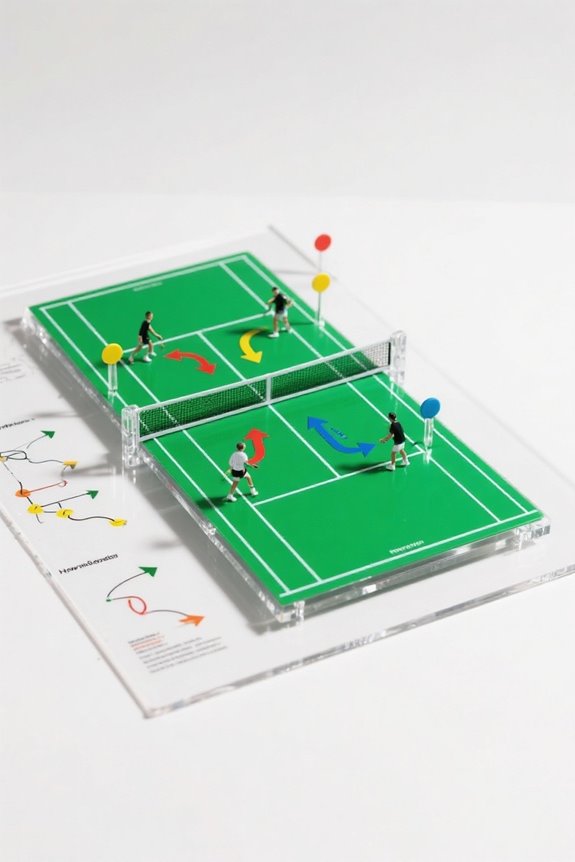
Effective communication between pickleball partners can markedly transform the dynamics of their gameplay. Recognizing your partner’s body weight and positioning is essential to understanding their readiness. For instance, if they lean forward, they may be primed to execute an offensive drop shot. Conversely, if they’re positioned behind the baseline with instability, a defensive play is likely. A balanced stance often reflects confidence, signalling you can maintain an aggressive position. Additionally, subtle shifts, like leaning toward a sideline, hint at potential shot direction. When partners demonstrate these cues, responding with appropriate movement and positioning becomes more instinctive. By fine-tuning your ability to read these actions, you enhance your overall effectiveness and teamwork on the court.
Enhancing Communication Through Body Language
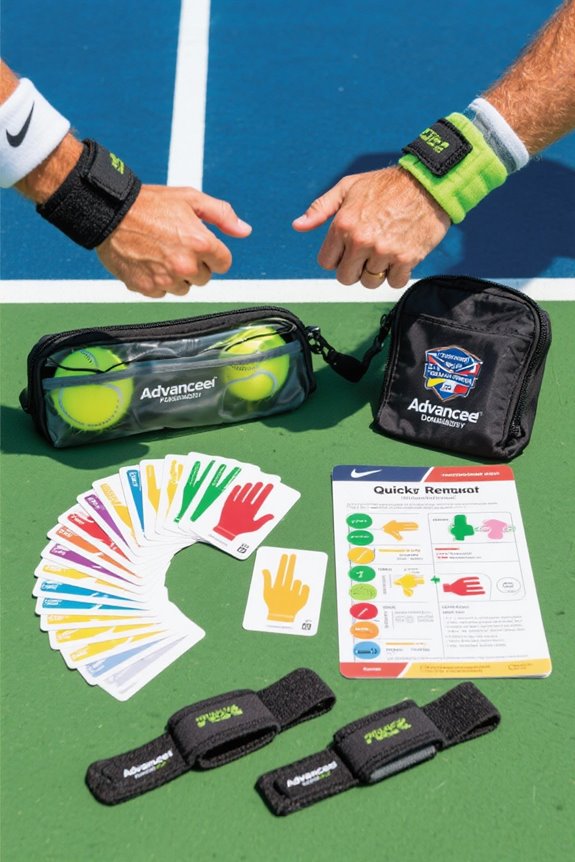
Consistently observing body language can greatly enhance communication in pickleball. Over half of on-court communication is non-verbal, making body signals critical for understanding your opponent’s intentions. Recognizing shifts in posture or eye movements can provide valuable insights into their upcoming plays. Silent strategies, such as utilizing hand signals with partners, prevent confusion during matches, particularly in noisy environments. Pre-arranged gestures like an open hand for “switch” streamline teamwork, while observing opponents’ signals can inform your defensive positioning. Clear, confident body language boosts trust between partners, essential for cohesive play. Furthermore, these non-verbal interactions nurture a positive atmosphere, enhancing morale and fostering engagement in the game. Effective use of body language can lead to significant competitive advantages for players.
Frequently Asked Questions
How Can I Improve My Own Body Language on the Court?
To improve body language on the court, one should maintain strong body posture with shoulders back, establish purposeful eye contact, and project calm confidence through relaxed movements, enhancing both personal presence and psychological impact on opponents.
What Are Common Mistakes Players Make in Reading Body Language?
Players often stumble by misinterpreting cues, like overlooking subtle shifts or stances. Overanalyzing gestures can cloud judgement, leading to confusion. In vital moments, this results in delays and misread intentions, leaving them vulnerable on the court.
How Do Different Surfaces Impact Body Language Cues?
Different court surfaces greatly influence body language cues; surface grip affects player stance and movement patterns. For example, acrylic courts promote confident posture, while inconsistent grass surfaces lead to hesitation and unpredictable movements from players.
Can Emotions Affect an Opponent’s Body Language During a Match?
Studies show that 80% of communication is non-verbal. Emotions greatly affect an opponent’s body language during a match, with emotion recognition and psychological influence shaping performance and competitive dynamics through visible cues of confidence or anxiety.
How Can I Practice Reading Body Language Outside of Games?
To practice reading body language outside games, one can employ observation techniques, focusing on nonverbal signals in various social settings. Analyzing interactions, noting gestures, and identifying incongruences enhances awareness and understanding of communication nuances.