As an Amazon Associate, we earn from qualifying purchases. Some links on this site are affiliate links at no extra cost to you. Our recommendations are based on thorough research and editorial judgment.


Mastering the Third Shot Drop in Pickleball

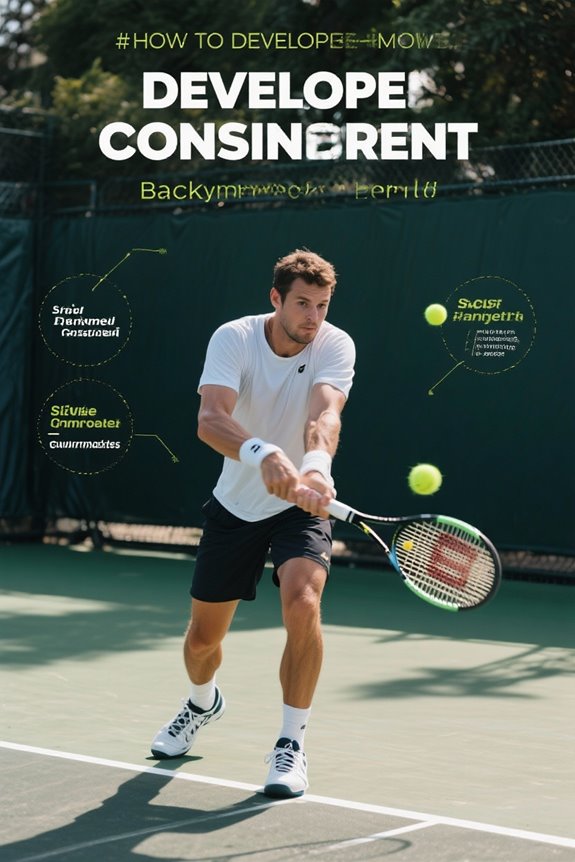
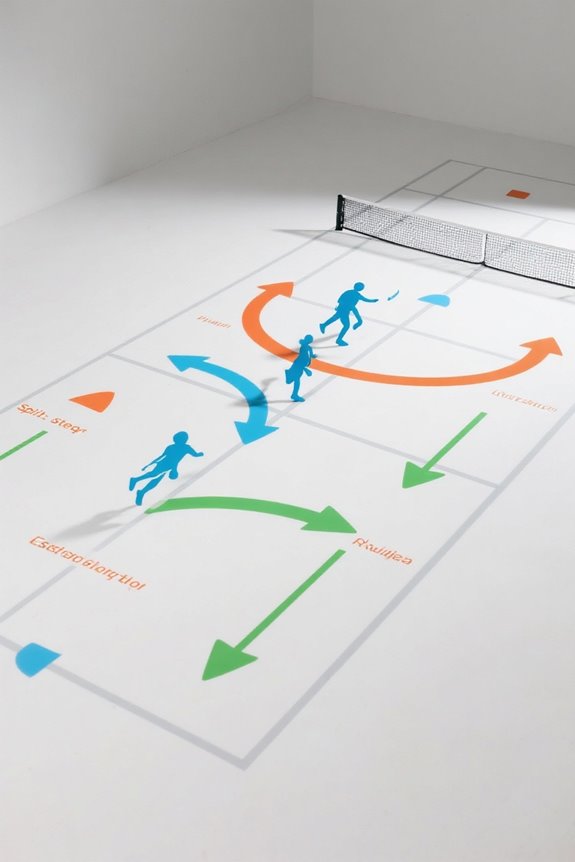
To master the third shot drop in pickleball, focus on precision and technique. Use a continental grip for better control. Aim to keep your paddle face angled accurately. Aim for a ball speed of 10.9 to 16 m/s and a launch angle between 12.5° and 22.5°. Consistent practice helps improve shot variability and placement in the non-volley zone. Avoid rushing and maintain a relaxed grip to enhance touch. Discover ways to elevate your game further.
Key Takeaways
- Utilize a continental grip and maintain a compact backswing for better touch and control during the third shot drop.
- Aim to land the ball in the kitchen with a targeted trajectory, using spin variations for added complexity.
- Focus on precise paddle face angle and a smooth shoulder-driven follow-through to enhance accuracy and speed.
- Position yourself near the baseline to read opponents and target their weaker areas effectively.
- Stay mentally composed and visualize successful shots to boost confidence and reduce anxiety during execution.
Understanding the Third Shot Drop
Mastering the third shot drop involves understanding its essential role in pickleball strategy. The third shot drop is executed by the serving team as the third shot in a rally, following the serve and return. This shot is characterized by soft, controlled mechanics, landing just inside the non-volley zone. Its purpose is to reduce the opponent’s attacking options by minimizing bounce height. Executing an effective drop allows the serving team to shift from the baseline to the net, gaining an advantageous position. Consistency and precision are crucial; hitting with too much force compromises its strategic value, inviting aggressive returns. A well-placed third shot drop can dictate the rally’s pace, establishing control and enhancing overall rally dynamics. During extended rallies, proper footwear with quality traction and stability features ensures safe and effective lateral movements across the court.
Recommended Products

ADVANCED COMFORT TECHNOLOGY Hyper Burst Ice cushioning and carbon infused H plate provide exceptional stability and energy return for running shoes for men

THIS WOMEN’S SHOE IS FOR: The Levitate StealthFit 5 is for runners who want a sleek look combined with a closer-to-foot fit, with ample stretch and compression. The Levitate StealthFit 5 offers a super springy ride that delivers high energy return that helps your foot spring off the ground with each step.

FuelCell foam delivers a propulsive feel to help drive you forward
Essential Techniques for Execution
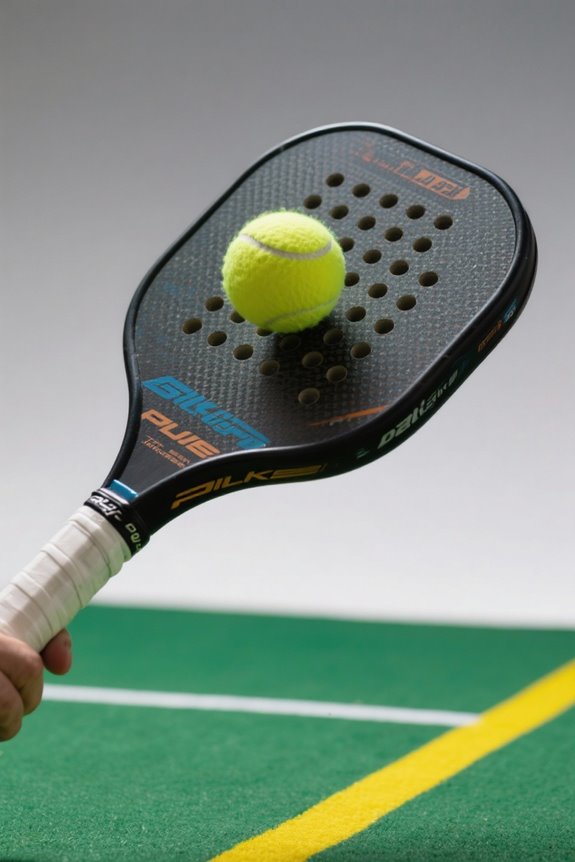
Executing the third shot drop effectively requires a mastery of several essential techniques that enhance shot control and precision. Players should adopt a continental grip, maintaining a loose hold to facilitate a soft touch upon impact. Keeping minimal wrist movement and using short, controlled strokes will improve shot placement. Footwork is vital; staying light on your feet guarantees quick adjustments to incoming shots. Aim for a targeted trajectory that arcs over the net, allowing the ball to drop softly into the kitchen. Incorporating spin variation, such as slice or backspin, can complicate returns for opponents. By practicing these techniques, you can create unpredictable angles and maintain a tactical advantage on the court. Wearing moisture-wicking fabrics during practice sessions helps maintain comfort and focus, allowing you to refine these essential techniques without distraction.
Recommended Products
Made from our supersoft, wicking & breathable Edgartown fabric

DriComfort stretch quarter zip pullover

2-way stretch support web provides targeted support to knee and core joints and muscles - 80% nylon/20% lycra
Common Mistakes to Avoid
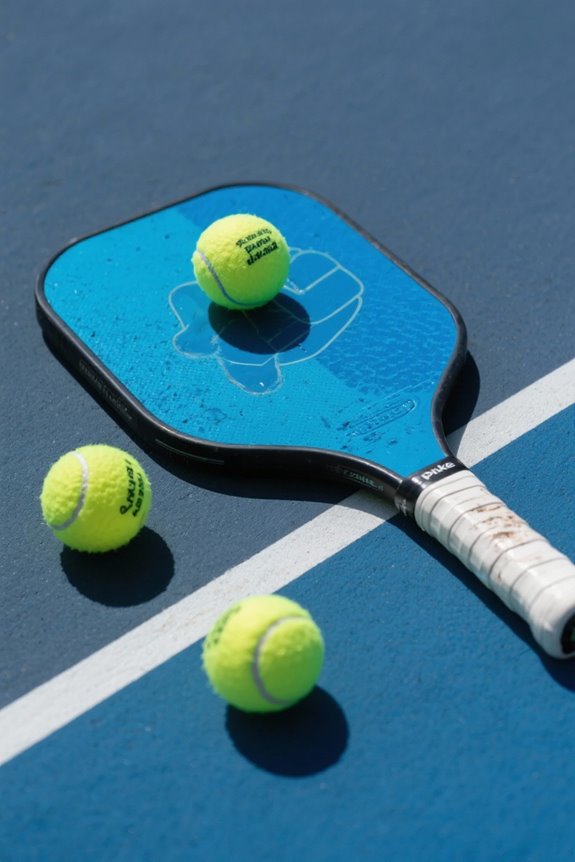
While players often focus on perfecting their third shot drop, numerous common mistakes can undermine their effectiveness on the court. Communication errors, such as failing to call who will take the drop shot, often lead to missed opportunities. Additionally, timing issues arise when players rush to the kitchen line too soon or too late after executing the drop. Improper stroke mechanics—like overusing the wrist or making an oversized backswing—can drastically affect control. Furthermore, poor court positioning disrupts balance, resulting in inaccurate shots. Finally, an overly tight grip can diminish touch. Just as tennis players benefit from practicing with machines that offer adjustable feed intervals to develop consistent shot timing, pickleball players can improve their third shot drop by maintaining a steady rhythm during drills. By being aware of these pitfalls, players can refine their technique and enhance their overall game performance on the court.
Effective Strategies for Success
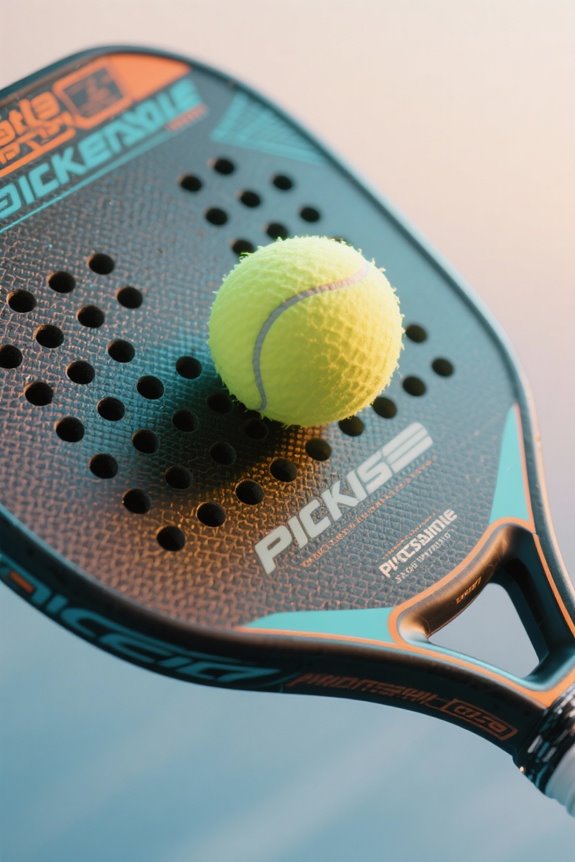
To enhance performance on the pickleball court, players must adopt effective strategies for successfully executing the third shot drop. Ideal shot selection begins with positioning near the baseline, allowing better control when striking the ball. Players should analyze their opponents to target open areas or their weaker-hand side, minimizing the chance of aggressive returns. Maintaining a smooth, shoulder-driven follow-through generates the right ball speed and flight characteristics. Additionally, ensuring the paddle face is aimed precisely enhances directional control. Emphasizing shot placement to land softly in the non-volley zone creates difficulties for opponents. By integrating the third shot drop into a broader game strategy, players can gain net control and create scoring opportunities while reducing unforced errors. Using an intermediate paddle with a polymer honeycomb core can improve shock absorption and provide the batting feel necessary for executing delicate third shot drops with consistent control.
Recommended Products

Midweight Range: 7.7 – 8.1 oz. | Grip Circumference: 4 1/4" | Grip: Selkirk Geo Grip | Handle Length: 4 3/8" | Paddle Length: 15 3/4" | Paddle Width: 8"

Triple Layer Carbon Fiber Construction - The innovative triple layer carbon fiber design ensures durability and strength for a powerful and consistent performance on the pickleball court.

【Tournament Standard Regulation Size】This 22ft pickleball net meets official USAPA specifications with a 36-inch side height and 34-inch center. Perfect for competitive matches, club training, or professional practice on any flat surface.
Practice Drills for Mastery
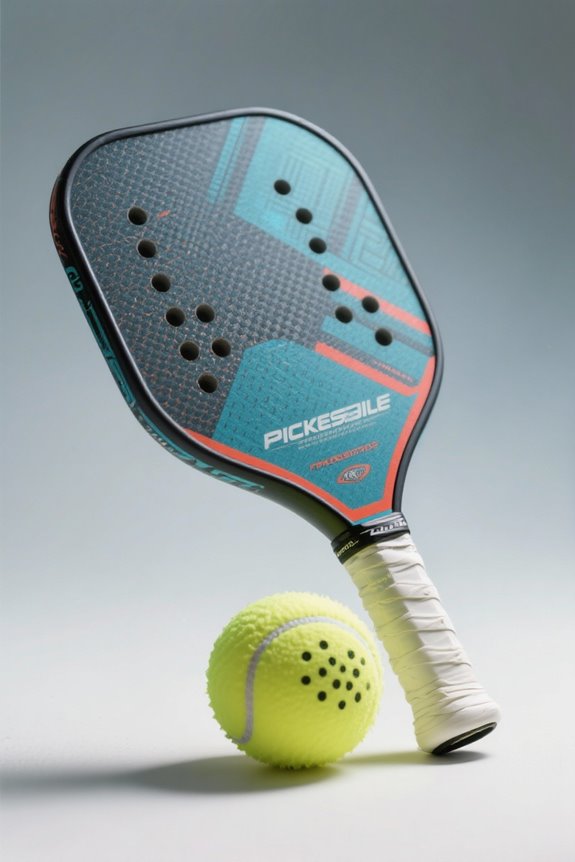
Mastering the third shot drop in pickleball requires dedicated practice through well-structured drills. One effective method is the Progressive Step-Back Third Shot Drop Drill. Begin near the kitchen line, taking two shots before stepping back, refining control and rhythm. For partner dynamics, the Partner-Assisted Step-by-Step Soft Game Drill encourages you to practice with a partner at the kitchen line, emphasizing stroke adaptation. Solo players can benefit from the Solo Wall Rebound Drill, which allows precision without a partner. Finally, the Shadow Toss and Controlled Contact Drill helps develop touch and placement. Just as tennis players benefit from denser string patterns for exceptional feedback and accuracy in their control racquets, pickleball players can enhance their third shot drop precision by adjusting paddle specifications to match their playing style.
Recommended Products

Durable Aramid Weave Surface - This professional pickleball paddle's special Aramid weave surface offers exceptional strength and longevity, ensuring optimal performance and precision on the court.

Triple Layer Carbon Fiber Construction - The innovative triple layer carbon fiber design ensures durability and strength for a powerful and consistent performance on the pickleball court.

Durable Aramid Weave Surface - This professional pickleball paddle's special Aramid weave surface offers exceptional strength and longevity, ensuring optimal performance and precision on the court.
Performance Improvement Tips
Improving performance with the third shot drop in pickleball involves a blend of technical skill and strategic awareness. Focus on shot variation by mastering ideal speed and angle for effective drops. Aim for 10.9 to 16 m/s for speed, and maintain launch angles of 12.5° to 22.5° for precise landing in the kitchen. A controlled swing with a compact backswing enhances shot reliability. Pay attention to your paddle grip; moderate grip pressure can reduce unwanted ball pop-ups, ensuring better placement. Practice tactical decision-making by recognizing when to use drive shots alongside drops. Communication with your partner is essential to executing a cohesive strategy, increasing your chances of countering opponents’ advantages. Selecting a paddle with advanced carbon friction surfaces can further improve your spin control and shot precision during third shot drops. By refining these elements, players can notably boost their third shot drop effectiveness.
Recommended Products

FAMILY-OWNED: At Selkirk, we are committed to fueling the pickleball obsession found within every player. Through uncompromising quality and a never-satisfied drive for innovation, we serve players around the world from beginners to pros.
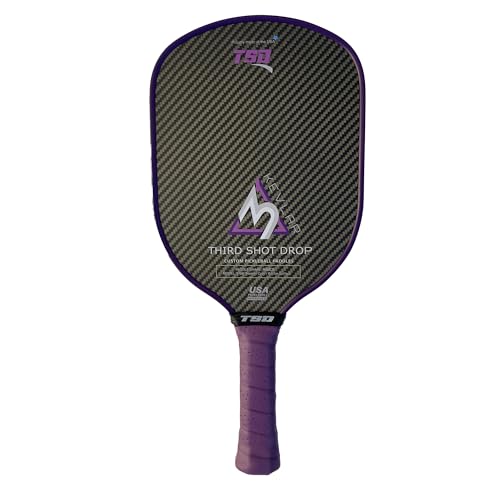
Durable Aramid Weave Surface - This professional pickleball paddle's special Aramid weave surface offers exceptional strength and longevity, ensuring optimal performance and precision on the court.

Wilson Carbon Force LT Padel Racket - Grey
Adapting to Different Conditions
When players find themselves maneuvering a variety of court surfaces and weather conditions, adapting the third shot drop becomes essential for maintaining performance. Different court conditions affect ball bounce and speed, requiring you to adjust your shot’s force and angle. For instance, wet courts reduce bounce, demanding a softer touch and higher follow-through to avoid net hits. Weather impacts also play a role; wind alters ball trajectory, prompting players to modify shot height and spin. Additionally, colder temperatures can slow the ball’s speed, necessitating slightly increased shot velocity while keeping finesse. Adjusting your technique based on these factors will help maintain control and precision, ultimately enhancing your effectiveness in the game. Proper footwear with effective grip patterns ensures you can execute these adjustments without slipping, especially on challenging court surfaces. Adaptability is key for success in varying environments.
Building a Positive Mindset
How can a positive mindset influence the execution of a third shot drop? A focused and optimistic approach can greatly improve performance. Mindset shifts enable players to overcome negativity, ultimately leading to better decision-making during pivotal moments. When facing pressure, those who maintain a constructive attitude are more likely to execute a precise drop shot. Studies suggest that positive thinking enhances muscle coordination and focus, essential elements for mastering technique. Additionally, players often report that a confident mindset protects against the anxiety that can disrupt execution. By embracing positivity and visualizing successful outcomes, athletes can foster a mental environment that supports effective play, making it easier to land that vital third shot drop where it needs to be. Just as the right grip can reduce mishits and improve control, maintaining mental composure ensures that your grip on the paddle remains secure even during the most challenging rallies.
Frequently Asked Questions
What Is the Ideal Height for a Third Shot Drop?
The ideal height for a third shot drop is between 8 inches to 1.5 feet above the net. This height encourages maximum spin and ideal trajectory, enhancing control while minimizing opponents’ attacking opportunities.
How Can I Incorporate Third Shot Drops Into My Match Strategy?
Incorporating third shot drops into match tactics involves targeting shallow returns during game scenarios. For instance, a player might drop skillfully to disrupt opponents’ rhythm, allowing for net positioning and better shot opportunities thereafter.
What’s the Best Paddle Type for Executing a Third Shot Drop?
The best paddle type for executing a third shot drop typically features a polymer core for control and a graphite surface for responsiveness. Additionally, a smaller grip size enhances wrist action, improving finesse in delicate shots.
How Do I Know When to Use a Third Shot Drop?
A player should execute a third shot drop when recognizing opportunities such as opponents positioned at the net, deep returns, and when unable to drive consistently, ensuring control and shifting safely towards an offensive position.
Can the Third Shot Drop Be Effective in Doubles Games?
The third shot drop can be highly effective in doubles games, serving as a key doubles strategy. Effective shot placement within the non-volley zone helps control the game and shift players to the net safely.