As an Amazon Associate, we earn from qualifying purchases. Some links on this site are affiliate links at no extra cost to you. Our recommendations are based on thorough research and editorial judgment.

Tennis Let Rules and When to Replay Points

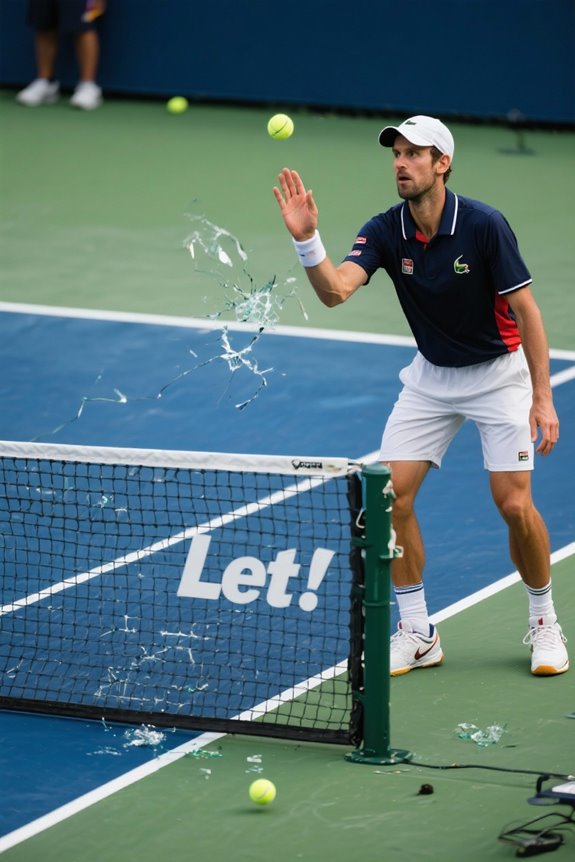
A “let” in tennis signals a point replay without penalty. The most common occurs during serves when the ball clips the net but lands in the correct service box. Players also call lets for external interference—stray balls, sudden noise, or court obstructions. During rallies, if a ball breaks or conditions become unplayable, officials may award a let. In professional matches, electronic systems detect service lets automatically. Players cannot challenge let calls. Understanding these rules ensures fair play and proper match flow in competitive tennis.
# Tennis Let Rules and When to Replay Points
In tennis, a let occurs when a serve touches the net but lands in the correct service box. This means the serve can be replayed without penalties. Common scenarios for a let include interference from stray balls or loud noises. Players must call a let promptly and return to their original positions for the replay. Understanding these rules is essential for maintaining fair play. Continue to learn about the differences between lets and faults, and how officials manage these calls.
Key Takeaways
- A let occurs when a serve hits the net but lands in the correct service box, allowing for a replay without penalties.
- Players must immediately call a let for any disruptions like noise or distractions during play to ensure fairness.
- All action stops when a let is called, and the point is replayed from the beginning with the same server.
- Officials or umpires have the final authority to confirm or overrule let calls during a match for consistency.
- Players need to return to their original positions before replaying the point after a let is called.
Understanding the Concept of Let in Tennis
In tennis, the concept of a “let” serves as an essential aspect of fair play. A let occurs when a serve hits the net cord but still lands in the correct service box, requiring the serve to be replayed. This concept, rooted in let history, reflects the sport’s commitment to fairness. Importantly, let terminology is distinct from faults; while a fault incurs penalties, a let allows uninterrupted play. Furthermore, there is no limit to the number of lets in succession. Players calling a let must do so immediately, ensuring all are informed. By understanding this simple yet fundamental rule, players can maintain focus and fairness, enhancing the overall quality of the game and upholding its integrity. Just as maintaining a secure grip on your racquet is essential for executing precise serves, understanding let rules ensures fair and consistent play throughout the match.
Scenarios That Justify a Let Call

While playing tennis, various situations can arise that justify a let call. These scenarios for disruptions typically involve types of external interferences that compromise the integrity of play. For instance, if a ball from another court rolls onto the playing area, it disrupts the rally and prompts a let. Sudden loud noises, like crowd disturbances or sprinkler systems, can also justify a let when they distract players. Additionally, if an unexpected object crosses the court, such as debris or stray balls, calling a let is warranted. Players using pressureless tennis balls during practice sessions may encounter fewer disruptions since these balls maintain consistent bounce and are less likely to roll unpredictably from adjacent courts. Ultimately, these calls guarantee fairness by allowing points to be replayed, thereby maintaining the game’s integrity when unforeseen interruptions occur. This guarantees no player is unjustly disadvantaged due to external factors.
Recommended Products

BALL TOSS - Adjustable from 12 to 20 feet.

Wilson Triniti Pro Tennis Balls - 72 Balls, Yellow

This listing is for 24 can (72-Balls)
Let Serve Rules Explained
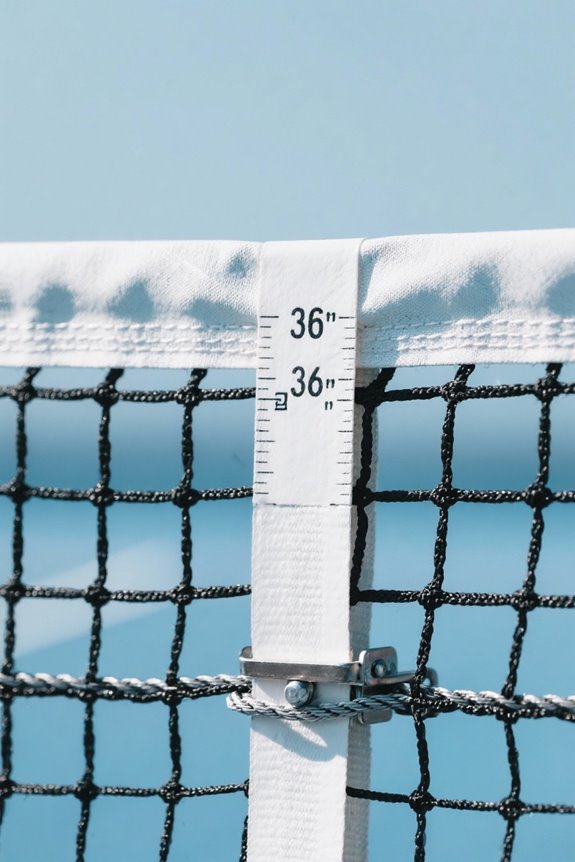
A let serve is a unique aspect of tennis that every player should understand. When a served ball touches the net but lands in the correct service box, it’s designated a let serve. This rule benefits players, as they can replay the serve without penalty, avoiding faults due to minor net contact. This opens opportunities for various let serve strategies, which can confuse opponents. Additionally, there are let serve advantages; players can experiment with serves more freely, knowing a let will not disrupt their momentum. Importantly, players must promptly call out a let and guarantee they remain behind the baseline while serving again, maintaining the integrity of the match and overall fairness. For beginners practicing serves, using foam tennis balls with reduced bounce can help develop proper serving technique while minimizing the risk of injury during repetitive practice sessions.
Recommended Products

Baseball or softball tossing machine designed to improve hand-eye coordination

SUPER EASY SETUP - Our golf driving cage uses new easy buckle system to allow for quick and secure mounting of our trainer onto frames. Just straps onto the post and practice scoring.

✔ TRANSFORM YOUR GAME IN MINUTES A DAY – Learn the stroke that separates confident players from frustrated ones. The TopspinPro turns complex topspin mechanics into simple, repeatable movements. Most players feel their “aha” moment within the first week.
Procedures for Replay of Points Due to Lets
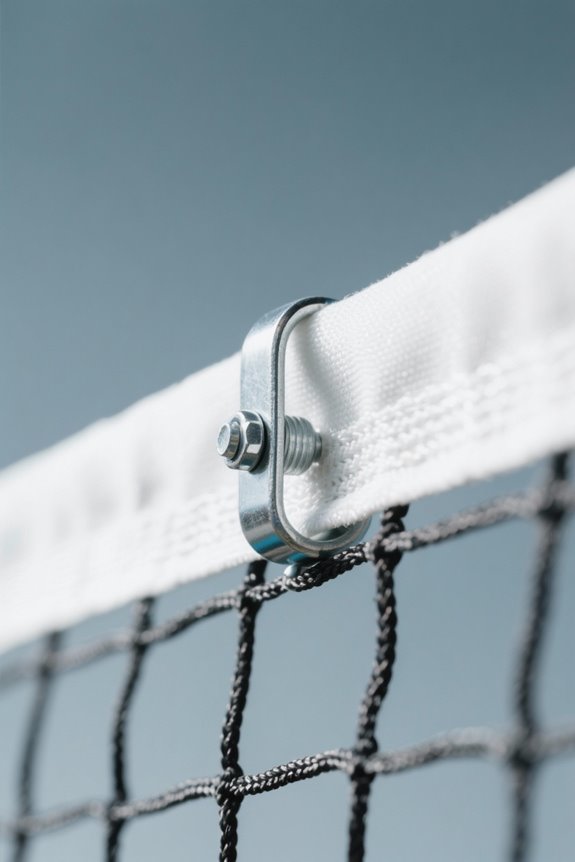
Replaying points due to lets in tennis requires a clear understanding of the established procedures. When a let is called, all action immediately stops, and play resumes from the start of the point. Players must return to their original positions, with the same server serving again if the let occurred on their serve. The let procedures guarantee that previous points, whether faults or successful shots, are disregarded during the point replay. Importantly, only the umpire or chair official can officially call a let; players must rely on them for final decisions. In formal matches, electronic calls do not supersede the official’s authority. These clear protocols maintain fairness and order during play, helping players navigate potential interruptions effectively. Just as tennis requires proper footwear for quick lateral movements and stability, players should ensure their shoes provide adequate traction and stability to respond effectively when resuming play after a let is called.
Recommended Products

Honda Collaboration: Official Honda branding adds premium style to advanced protection gear.
FULL-GRAIN POLISHABLE LEATHER UPPER crafted from smooth, durable leather for a sleek, professional look that lasts

Classic Brogue: Timeless style with subtle distressed look. Fits true to size
Roles of Players and Officials in Let Calls
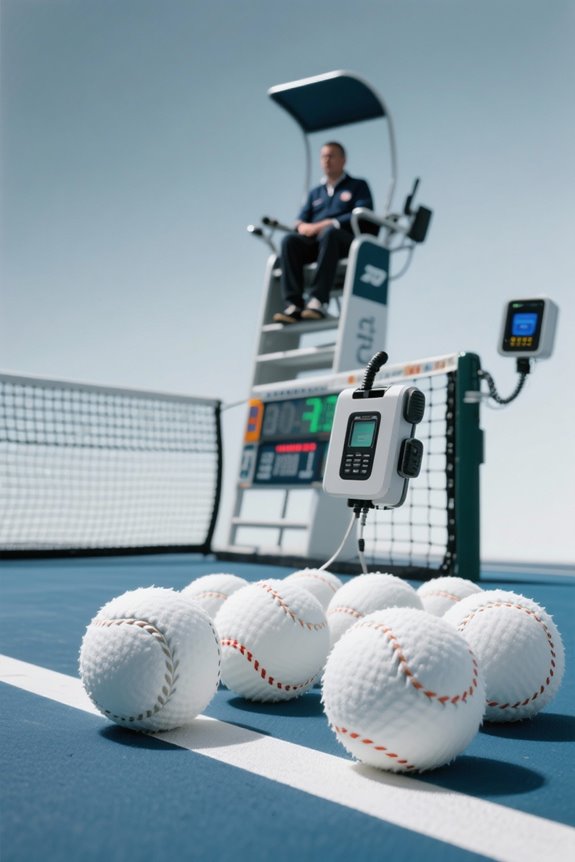
In tennis, players frequently find themselves in situations where let calls can impact the flow of the match. Each player has the authority to call a let for any interference they experience personally, such as a ball from another court. However, players must act responsibly, ensuring that their call is justified to maintain player accountability. Officials play an essential role by confirming or overruling these calls, especially in regulated matches. Their decisions are final, lending consistency and reducing disputes. Both players and officials must adhere to the established ITF rules to maintain fair play. Clear communication during these situations is significant, as delays can invalidate a call and create unnecessary tension on the court. Serious players who invest in quality equipment, including 12-racquet tennis bags with proper organization and thermal protection, demonstrate the same commitment to professionalism expected when making accurate let calls during competition.
Differentiating Between Let, Fault, and Net
Tennis players often encounter the essential concepts of let, fault, and net during matches, which can greatly affect gameplay and scoring. A let serve occurs when a ball touches the net but lands in the correct service box, resulting in a replay without penalty. Conversely, a fault definition refers to a serve failing to meet requirements, such as stepping over the baseline or missing the service box. Net touches can influence these calls; if the ball hits the net and does not land properly, it results in a fault. Understanding the differences is critical, as scoring implications vary markedly—lets are neutral, while faults count against the server, directly impacting the point. For competitive play, using USTA approved tennis balls ensures consistent bounce and performance when replaying let serves or practicing service accuracy.
Frequently Asked Questions
Can Spectators Ever Call a Let During a Match?
Spectator interference can be likened to a comet interrupting a serene night; hence, rule clarification states that spectators are strictly prohibited from calling a let during matches, ensuring only players and officials maintain control.
How Does a Let Affect a Player’s Serve Statistics?
A let serve does not affect a player’s serve statistics, allowing uninterrupted serve performance analysis. However, it may influence player psychology by disrupting focus, potentially impacting subsequent serves despite not altering recorded statistics.
Are Let Serves Counted Towards a Player’s Total Serves?
Let serves do not count towards a player’s total serves, as per let serve rules. Consequently, they do not influence serve statistics, allowing players to maintain their serve opportunities without penalty or reduced attempts.
Can a Player Dispute a Referee’s Let Call?
Surprisingly, let calls occur in approximately 20% of professional matches. Players cannot dispute a referee’s let call, emphasizing referee authority while underscoring player responsibility to accept decisions and resume play without argument.
What Happens if a Let Is Called During a Tiebreak?
In tiebreak scenarios, a let call leads to the point being replayed without affecting the score. Players must quickly adapt to the situation, maintaining focus on strategy and momentum throughout the tiebreak.


