As an Amazon Associate, we earn from qualifying purchases. Some links on this site are affiliate links at no extra cost to you. Our recommendations are based on thorough research and editorial judgment.


Pickleball Fault Rules You Need to Know

Master the essential fault rules that govern pickleball play. Understanding kitchen violations, service errors, and line call regulations ensures fair gameplay and competitive integrity. Key faults include stepping into the non-volley zone during volleys, improper serves that miss the diagonal service court, and double bounces. Players must serve underhand below waist level, keep both feet behind the baseline, and avoid touching the kitchen line on volleys. Learning these critical regulations prevents point losses, reduces disputes, and elevates your game from recreational to tournament-ready performance standards.
# Pickleball Fault Rules You Need to Know
Understanding pickleball fault rules is crucial for any player. Service errors occur when the ball lands outside the designated service area or touches the Non-Volley Zone (NVZ). You must let the ball bounce once on each side before returning. Momentum violations happen if you touch the NVZ while volleying. Remember, hitting outside court boundaries results in faults. Mastering these rules can enhance your gameplay. Stick around to discover more important tips and strategies for improving your performance.
Key Takeaways
- A serve must land within the correct service court and cannot touch the Non-Volley Zone (NVZ).
- Players cannot volley the ball while standing in or touching the NVZ and must respect momentum rules.
- The Two-Bounce Rule mandates that both teams let the ball bounce once before returning it after the serve.
- Players must avoid foot faults by not crossing the baseline during their serve execution.
- Hitting the ball outside the designated boundaries or improperly interacting with the net results in faults.
Understanding Faults in Pickleball
Understanding the faults in pickleball is essential for players who want to enhance their game. Accurate fault identification contributes considerably to performance improvement. Serving incorrectly can lead to a fault, such as when a serve lands outside the opponent’s correct service court. Additionally, volleys executed from the non-volley zone result in immediate penalties. Knowing how to recognize replay situations, like valid hinders, will help maintain competitive play. Players must understand the various fault types, including serving errors and ball contact infractions, which can abruptly end a rally. Learning these rules will not only prevent unnecessary faults but also elevate your overall gameplay, ultimately making the sport more enjoyable and rewarding for everyone involved. Just as proper grip sizes are crucial in tennis for comfort and injury prevention, maintaining correct form and positioning in pickleball helps players avoid unnecessary faults and strain during extended play.
Two-Bounce Rule Explained
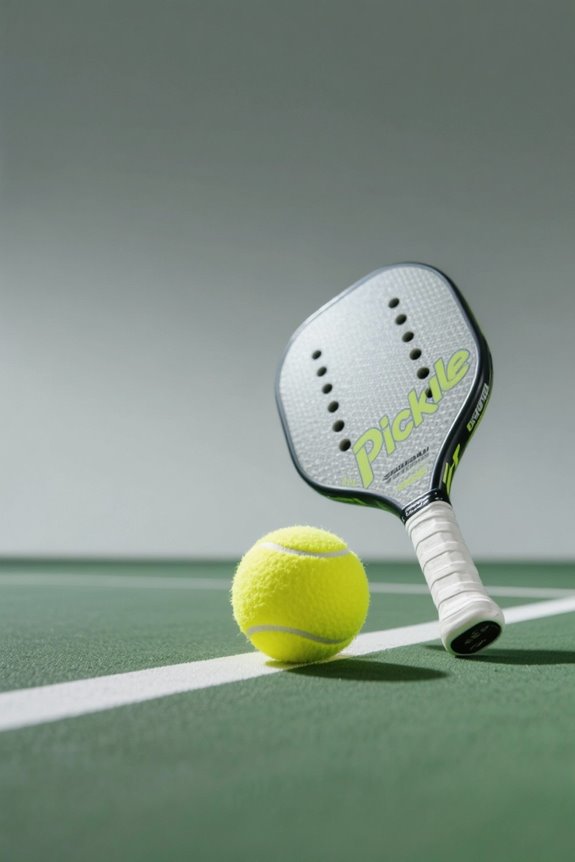
The two-bounce rule is a fundamental concept that every pickleball player must understand to enhance their game. This essential rule requires that after a serve, the ball must bounce once on each side of the court. The receiving team allows the ball to bounce before returning it, while the serving team must let it bounce before striking their third shot. This two-bounce strategy promotes longer rallies and adds excitement to the game, as players engage in more strategic play. By leveling the playing field, this rule discourages immediate volleying and aggressive net tactics. Understanding the implications on rally dynamics is critical for players, influencing shot selection and positioning throughout matches. Mastering this rule is important for improving competitive performance. Just as tennis players rely on moisture-absorbing grips to maintain control during intense rallies, pickleball players must master the two-bounce rule to maintain consistency throughout their matches.
Non-Volley Zone (Kitchen) Regulations
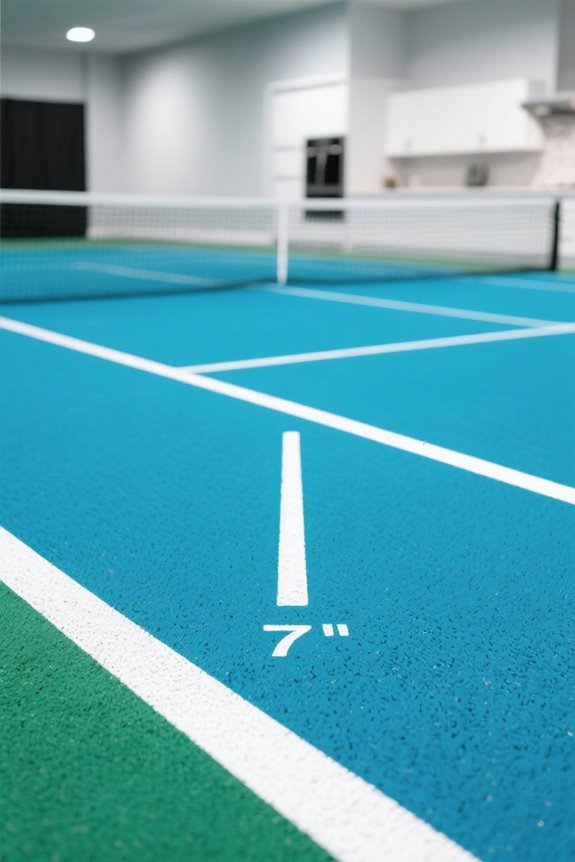
Players seeking to improve their pickleball game must grasp the significance of the Non-Volley Zone (NVZ), often referred to as the Kitchen. This 14-foot area, encompassing 7 feet on either side of the net, restricts volleying actions. Players must avoid touching the NVZ or its lines while attempting a volley. Momentum violations can also occur if a player’s follow-through causes contact with this zone. To enhance non-volley strategies, players should focus on proper NVZ positioning. They can enter the NVZ to play balls after they bounce, offering opportunities to set up effective shots. Since pickleball shoes are specifically designed for lateral movements and quick pivots on the court, wearing proper footwear can help prevent accidental momentum violations near the kitchen line. Mastering these regulations allows players to create rallies that emphasize strategy over pure power, contributing to a more dynamic game experience.
Common Serving and Serve-Return Faults
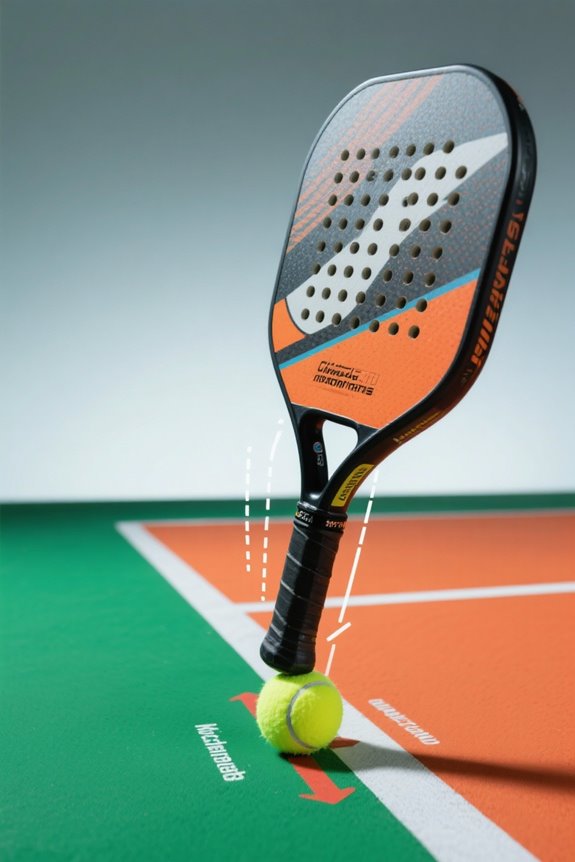
While mastering pickleball fundamentals, attention to common serving and serve-return faults is essential for improving gameplay. Service errors frequently occur when the ball lands outside the proper service court or touches the non-volley zone, resulting in immediate faults. Players must guarantee their feet do not cross the baseline during the serve; this “foot fault” can happen easily. Paddle mistakes are also common, particularly when the paddle strikes the ball above waist level or deviates from the necessary upward arc. Additionally, both teams must allow the serve to bounce before returning it. Failing to manage these elements can lead to lost points or serve violations, disrupting a player’s momentum and strategies during a match. Setting up a portable pickleball net with regulation dimensions of 22 feet wide and 36 inches high ensures you’re practicing serves under proper court conditions.
Recommended Products
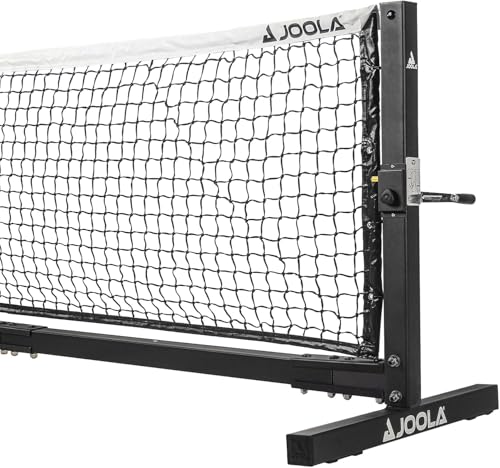
OFFICIAL PADDLE SPONSOR OF WORLD #1 PICKLEBALL PLAYER BEN JOHNS & THE PPA TOUR: An innovator & global leader in table tennis for 70+ years, JOOLA teams up with Ben Johns to create a new line of pickleball equipment that will forever change the game

ADJUSTABLE BALL SPEED & SPIN CONTROL: Fine-tune your pickleball sessions with adjustable ball speeds up to 65 MPH. Simulate gentle volleys to high-speed ground strokes while adding heavy topspin or backspin for competitive game situations.

Premium Performance & Durability – The C&D Qualifier Pickleball Net System is built for long-lasting use with high-quality materials. Its sturdy construction ensures stability during intense gameplay. Designed to withstand outdoor conditions, it features corrosion-resistant stainless steel hardware. Ideal for clubs, community centers, and backyard courts, this system delivers professional-level performance.
Ball Contact and Boundary Violations
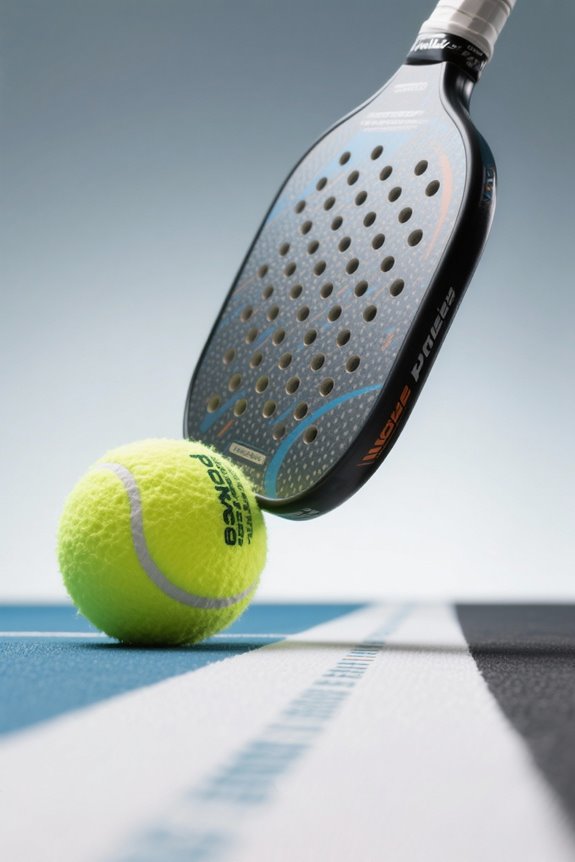
Understanding ball contact and boundary violations is vital for anyone looking to enhance their pickleball skills. These violations primarily occur when the ball lands outside the designated court boundaries. For instance, if the ball lands on your side after being struck, it results in a fault and a dead ball. Hitting the net posts or having the ball pass between the net and posts without a proper shot also counts as fault examples. Additionally, all players must allow the ball to bounce once on their side before volleying; failing to follow this two-bounce rule leads to faults. Using quality equipment like Dura Fast 40 pickleballs, which maintain a consistent bounce height of around 32 inches, can help players better anticipate and respond to ball behavior during matches. Awareness of these rules is important for making effective plays and minimizing mistakes on the court, ultimately improving your performance.
Recommended Products

Complete Kit: Everything you need for a thrilling pickleball game in one package.

Pickleball lines is a convenient watch strap, which can be carried around, and can also be set as a full-size and suitable Pickleball court anywhere.

【REUSABLE - BUY ONCE, USE FOREVER】 Crafted from heavy-duty calcium phosphate hollow board, this stencil kit is engineered to withstand water, mud, and repeated use without warping or dissolving. Unlike paper or cardboard templates that fall apart after one rain. When your court lines fade after months of play, simply pull out the templates, reposition, and respray. No need to buy new stencils ever again—one investment gives you a perfect court year after year.
Player and Equipment Contact Rules
Mastering the nuances of player and equipment contact rules is essential for any pickleball enthusiast aiming to enhance their game. A player must avoid any contact with the ball using their body or player apparel after the serve, with exceptions only for legal paddle or hand contact. Additionally, players cannot make contacts with the net, opponent’s court, or carry any items that may interfere during play. For paddle contact, strikes resulting in the ball landing out of bounds or hitting the net incur faults. Verify your paddle adheres to legal standards; using damaged equipment can lead to faults as well. To further prevent injuries during quick lateral movements on the court, consider wearing shoes with mid-ankle or high-top designs that provide enhanced ankle support and stability. By understanding and applying these rules, players can maintain a fluid, competitive game while avoiding unnecessary penalties.
Recommended Products
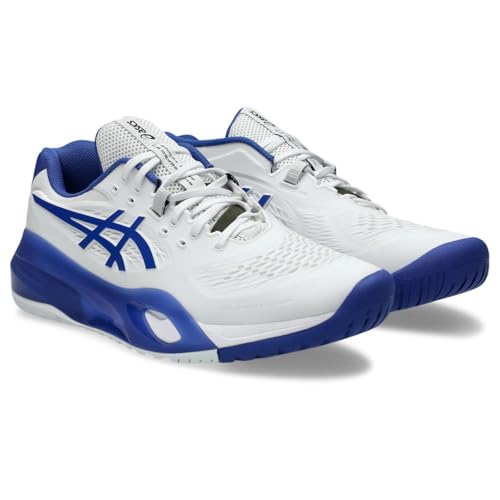
Optimises lateral movements and allows easy return to the starting position.

Go Further: Our original Altra EGO foam is designed to provide added energy return and a responsive, yet soft, comfortable feel
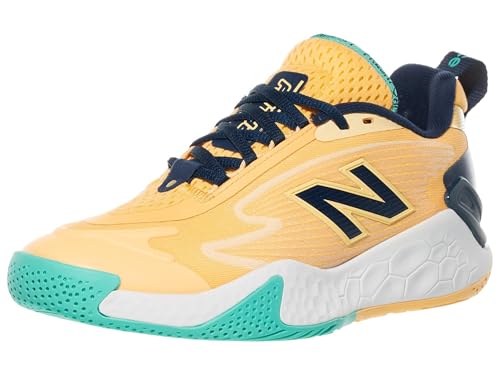
Rev up your style and performance styling the New Balance Fresh Foam X CT-Rally V1 - where cutting-edge technology meets maximum comfort. Engineered with Fresh Foam X midsole for the ultimate cushioning experience, your feet will feel supported with
Consequences of Faults During Play
When a fault occurs during play, it immediately halts the rally, creating a pivotal moment in the game. Fault management is essential, as the first fault decides the rally’s outcome. If the serving team commits a fault, they can attempt another serve unless it’s their second fault, resulting in a side-out. Additionally, kitchen faults lead to the loss of the rally for the offending team. Understanding these consequences enhances fault awareness, enabling players to maintain focus and adapt their strategies. Being aware of faults, such as net violations or out-of-bounds hits, can dramatically affect gameplay. Ultimately, mastering fault rules helps reduce errors and improve overall performance in both casual and competitive settings. Investing in quality paddles with proper grip designs and shock-absorbing cores can help players maintain better control and reduce unforced faults during matches.
Recommended Products

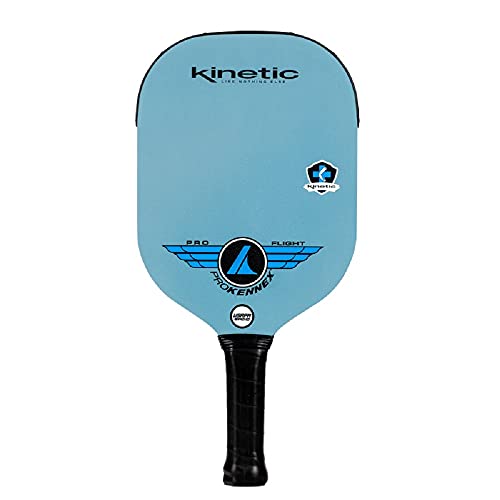
Honeyfoam Multi-Foam Core for Responsive Control: Built with a proprietary three-foam architecture, the Honeyfoam core creates a softer, more responsive feel at impact while helping power pickleball paddles deliver increased dwell time, an expanded sweet spot, and improved consistency.

Ultimate Forgiveness: Thicker 16mm Hybrid profile creates a softer feel and stability for consistent shot making.
Frequently Asked Questions
Can a Fault Be Called After Play Has Continued?
A fault cannot be called after gameplay has continued; interruptions must occur before play stops. Players should address faults overview during breaks, ensuring any disruptions are discussed after the rally concludes without interfering with ongoing gameplay.
What Happens if a Ball Hits the Referee’s Chair?
When the ball softly kisses the referee’s chair, play pauses. Referee responsibilities dictate whether it’s deemed a fault, triggering replay or dead ball, adhering to chair rules governing such unexpected encounters in spirited matches.
How Do Environmental Factors Affect Fault Calls?
Environmental factors greatly influence fault calls, as varying weather conditions can affect ball behavior, while different court surfaces impact bounce consistency. Together, these elements can lead to increased errors and misjudgments during gameplay.
Are There Penalty Points for Repeated Faults?
Yes, penalty points can result from repeated violations in pickleball. Accumulating fault penalties may disadvantage a team, potentially leading to point deductions for unsportsmanlike conduct or other infractions, particularly during tournament play.
Is There an Appeals Process for Disputed Fault Calls?
Yes, an appeals procedure exists for disputed calls. Players may contest officiating decisions to the Tournament Director or designee, ensuring fairness and clarity during gameplay, particularly for critical judgments affecting match outcomes.