As an Amazon Associate, we earn from qualifying purchases. Some links on this site are affiliate links at no extra cost to you. Our recommendations are based on thorough research and editorial judgment.

Adjusting to Windy Conditions in Pickleball

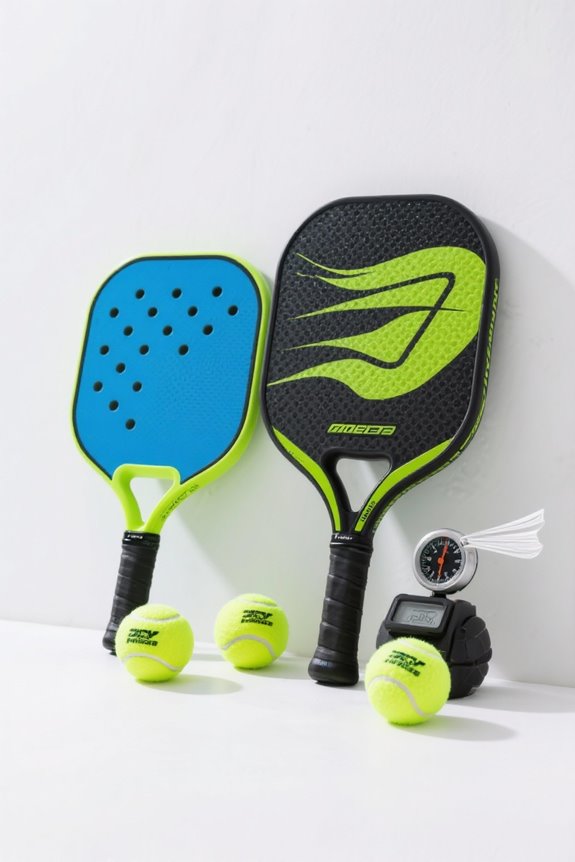
Premium pickleball equipment arranged on pristine white backdrop showcasing wind-resistant gear essentials. Features weighted outdoor pickleballs with precise hole patterns, aerodynamic paddle with textured grip surface, and wind gauge device. Studio lighting creates soft shadows emphasizing product details and premium construction quality. Vibrant paddle colors pop against clean background—bold blues, neon greens, professional blacks. Each item positioned to display wind-performance features: ball stability technology, paddle edge guards, ergonomic handles. Commercial-grade composition perfect for sports catalogs, demonstrating tournament-quality equipment designed for challenging outdoor conditions. Sharp 8k detail captures texture and craftsmanship.
# Adjusting to Windy Conditions in Pickleball
Adjusting to windy conditions in pickleball is essential for control and performance. Players should modify shot selection based on wind’s nature. Use low, flat strokes to minimize impact and prioritize controlled shots like volleys and drop shots. For serves and returns, focus on early strikes against headwinds and soft adjustments with tailwinds. Improving footwork is crucial; maintain a low center of gravity and widen stance for stability. By mastering these techniques, you can gain an advantage in unpredictable conditions. More insights await you.
Key Takeaways
- Master wind-awareness strategies by adjusting shot selection based on wind direction to improve accuracy and control.
- Utilize low, controlled shots and topspin to stabilize trajectories and minimize wind impact.
- Alter stroke mechanics by increasing power against headwinds and softening strokes with tailwinds.
- Maintain a strong, balanced stance while focusing on footwork for better movement and positioning.
- Regularly practice in windy conditions to enhance adaptability and develop mental toughness during gameplay.
Understanding Wind’s Impact on Ball Flight
How does wind affect the flight of a pickleball? Wind behavior introduces significant trajectory variance, complicating the predictability of ball landing. A tailwind flattens the trajectory, allowing the pickleball to maintain steadier velocity, which aids aggressive drives. Conversely, a headwind increases the ball’s arc height, slows its speed, and causes unexpected downward curvature during its approach. This wind-induced flight discrepancy can make shot accuracy challenging. Furthermore, gusty conditions above 15 mph amplify these deviations, hindering player control. The strength and direction of wind also affect spin effectiveness, altering anticipated ball responses. Players must understand these aerodynamic influences to adapt their techniques for consistent performance in windy environments. Knowing your environment remains essential for smart gameplay adjustments. Investing in quality equipment with temperature control features can help maintain optimal ball performance during varying weather conditions on the court.
Strategic Shot Selection for Windy Conditions
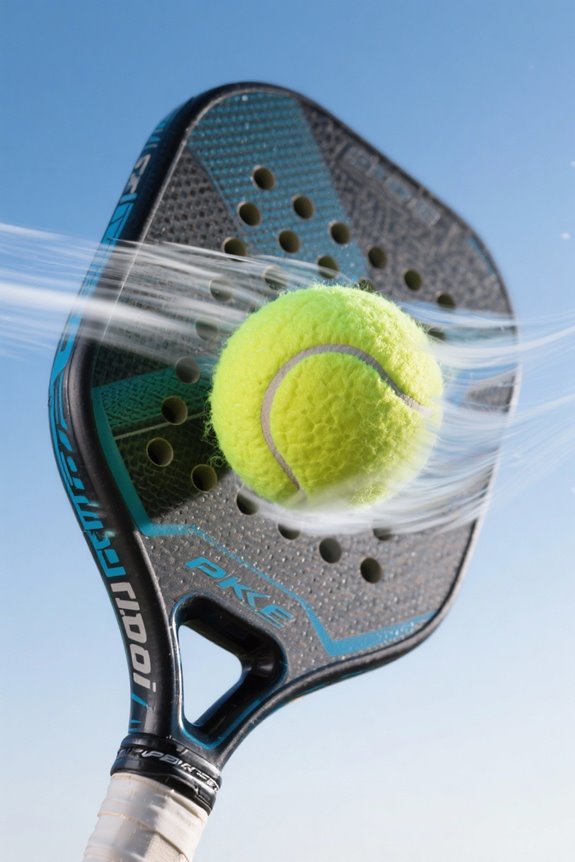
Effective shot selection in windy conditions can considerably influence a player’s performance. Players must adapt their strategies based on wind strength and direction. With the wind at their back, gentler strokes and precise placement minimize the risk of overshooting. Conversely, hitting into a headwind requires more power and lower shots to mitigate the risk of the ball floating. Crosswinds necessitate aiming adjustments, often directing shots toward the court’s center to reduce out-of-bounds risks. Prioritizing low, controlled shots helps minimize wind impact, while employing topspin can stabilize trajectories. Avoid high, floating shots, as they are easily displaced. Overall, simplifying shot choices under windy conditions can prove far more effective than taking unnecessary risks. Maintaining proper footwork and stability is crucial, which is why shoes with durable rubber outsoles provide the traction needed for quick adjustments during challenging wind conditions.
Recommended Products

FLYTEFOAM technology: Provides lightweight cushioning and impact absorption

ADVANCED COMFORT TECHNOLOGY Hyper Burst Ice cushioning and carbon infused H plate provide exceptional stability and energy return for running shoes for men

FuelCell foam delivers a propulsive feel to help drive you forward
Technical Adjustments for Stroke Mechanics
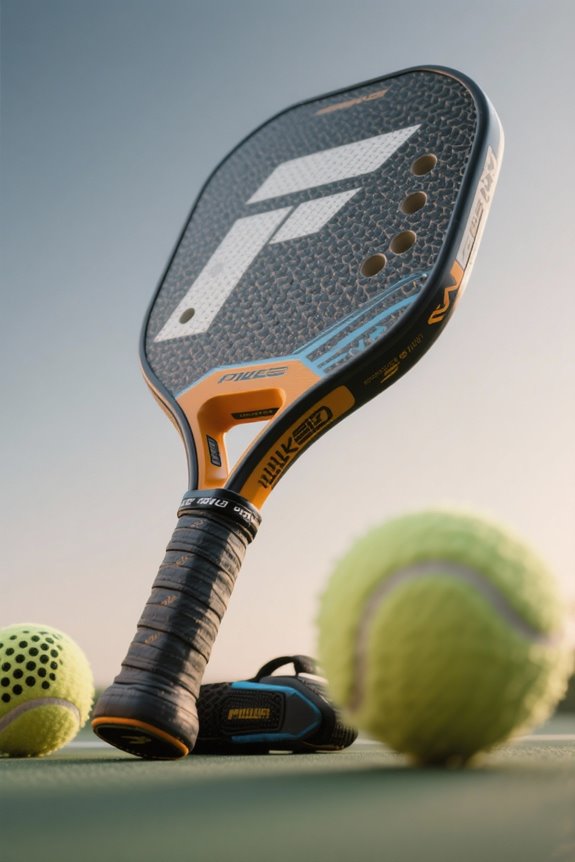
Windy conditions demand more than just strategic shot selection; they necessitate technical adjustments to stroke mechanics. Players should employ stroke modification techniques to adapt to varying wind forces. Facing a headwind, increase stroke power and strike the ball earlier to counteract the wind’s drag effect. In contrast, when a tailwind is present, soften strokes to prevent overshooting. Paddle angle adjustments are also essential; altering the face angle can help improve shot trajectory and control. Apply increased topspin for lobs into the wind, and opt for flatter drives to lessen susceptibility to gusts. By focusing on precise footwork and maintaining balance, players can execute shots more effectively, ensuring they are better equipped for the challenges of windy play. Just as tennis players benefit from selecting the appropriate grip size for comfort and control, pickleball players should ensure their paddle grip allows for the necessary adjustments in varying wind conditions.
Recommended Products

IDEAL FOR PRACTICE - Allows new lacrosse players to feel more at ease and confident. The softer outer fabric is both less intimidating and doesn’t hurt as bad if you get hit by a ball.

THE STANDARD ON COURT: USAP approved, chosen as the official ball for both the US Open Pickleball Championships and USA Pickleball, and engineered for official size and weight, these pickleball balls deliver consistent performance for both pro and amateur players

FAMILY-OWNED: At Selkirk, we are committed to fueling the pickleball obsession found within every player. Through uncompromising quality and a never-satisfied drive for innovation, we serve players around the world from beginners to pros.
Serving and Returning With Wind Considerations
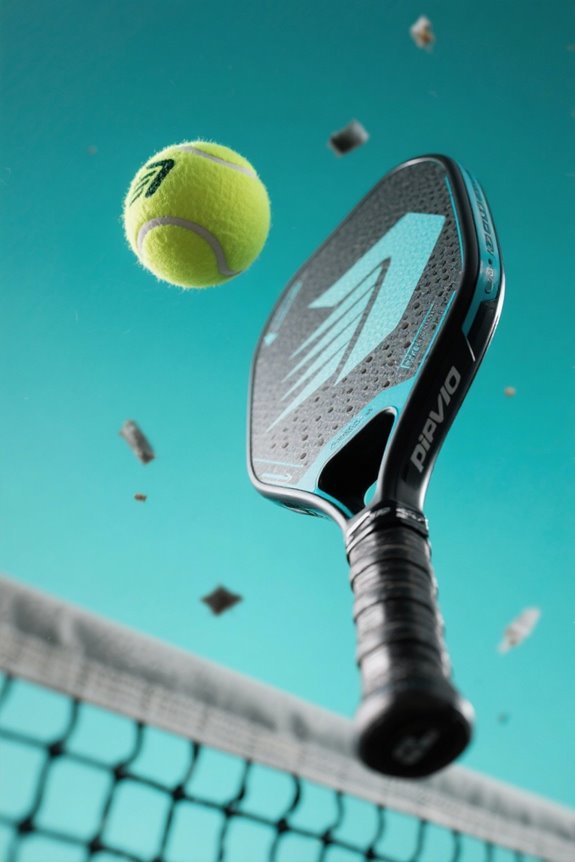
As players prepare to serve or return in challenging conditions, they must recognize that wind can greatly influence ball trajectory and control. A successful serve strategy involves serving with a higher margin of error, targeting deeper areas of the service court. Using a controlled topspin serve helps maintain accuracy despite gusts. When returning serves, position slightly towards the center to counteract crosswinds and avoid out-of-bounds errors. Return adjustments should include using low shots like drop-drives to minimize wind impact. It’s essential to remember that against the wind, aggressive topspin and lobs can help keep the ball in play. Focusing on consistency rather than power can lead to fewer unforced errors, ensuring better performance in windy conditions. For outdoor play in windy environments, consider using paddles ranging 7-9 ounces that are specifically designed to handle rugged conditions more effectively.
Recommended Products

OFFICIAL PADDLE SPONSOR OF WORLD #1 PICKLEBALL PLAYER BEN JOHNS & THE PPA TOUR: An innovator & global leader in table tennis for 70+ years, JOOLA teams up with Ben Johns to create a new line of pickleball equipment that will forever change the game

USAPA Approved for Tournament Play: Meets all USA Pickleball Association standards, ensuring it's ready for official competitions.
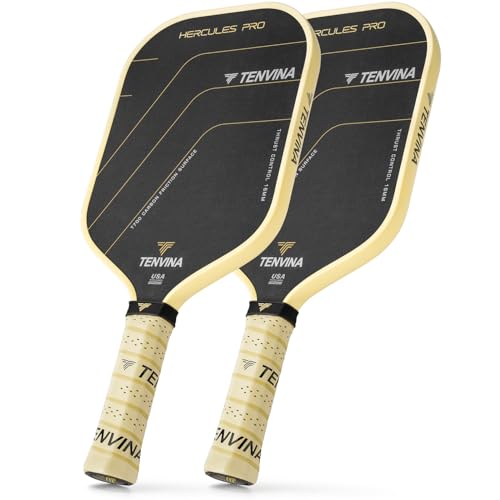
4 LAYERS CARBON FIBER COMPOSITE SURFACE:HERCULES PRO pickleball paddle surface is constructed from hot-pressed T700SC carbon fiber. And the unique T700SC Matte-textured Carbon Surface brings the high friction coefficient for precise hits. A professional pickleball paddle, a sparkling court winner.
Movement and Footwork Adjustments in Gusty Conditions
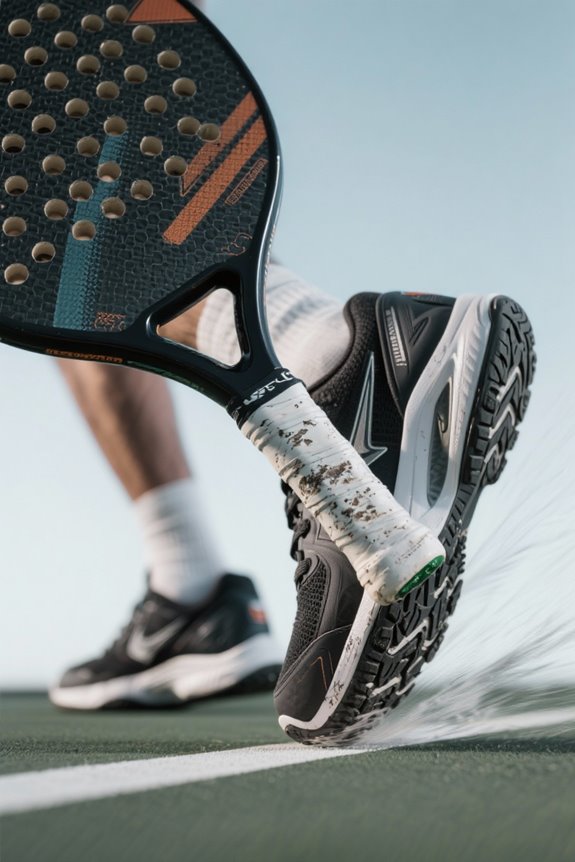
While gusty conditions can complicate gameplay, adapting movement and footwork is essential for maintaining control on the court. Players should adopt a lower center of gravity with slightly bent knees to improve balance adjustments against the wind. A widened foot placement increases ground contact, reducing slipping risks. It’s crucial to enhance reaction timing by increasing movement speed and anticipating lateral positioning shifts as the ball’s path changes unpredictably. Small, controlled steps guarantee movement efficiency, helping players retain court coverage. Energy conservation becomes significant; deliberate movements paired with wind awareness allow for effective shifts between shots. Staying light on your feet enables rapid responses to wind influences, ultimately stabilizing your performance amid challenging gusts. Just as tennis players benefit from adjustable and padded straps on their equipment bags for comfortable transport during windy conditions, pickleball players can enhance their mobility by ensuring their gear doesn’t hinder quick movements across the court.
Recommended Products

Upper Lightweight, breathable mesh Sock construction Lock-down lacing strap Internal TPU heel counter

NEXT-GENERATION PICKLEBALL PERFORMANCE - 3 YEARS IN DEVELOPMENT: The SQAIRZ XRZ2 is the upgraded evolution of the XRZ platform behind a 15.15% average improvement in player balance and up to 26.5% greater stability vs leading court shoes (April 2025 independent motion-capture testing). Tested over three years with pro players and biomechanics specialists. Same patented roomier toe box, same outrigger stability - now with five engineered upgrades.

NEXT-GENERATION PICKLEBALL PERFORMANCE FOR WOMEN - 3 YEARS IN DEVELOPMENT: The SQAIRZ XRZ2 is the upgraded evolution of the XRZ platform behind a 15.15% average improvement in player balance and up to 26.5% greater stability vs leading womens court shoes (April 2025 independent motion-capture testing). Tested over three years with biomechanics specialists. Same patented roomier toe box, same outrigger stability - now with five engineered upgrades.
Mental and Tactical Strategies for Windy Matches
Maneuvering gusty pickleball games requires mental agility and solid tactical planning. Players must prioritize shot selection, favoring flatter shots to minimize wind interference. Maintaining mental resilience is essential; accepting that inconsistency may arise is part of the game. Establish routines to preserve focus, viewing the wind as a formidable but surmountable challenge. Tactical adjustments, like leveraging slice and topspin, can manipulate ball trajectory, counteracting unpredictable gusts. Communication in doubles becomes imperative, as clear calls prevent confusion during erratic plays. Analyze wind direction to inform your strategy, whether it’s exploiting tailwinds for power or adjusting strokes into headwinds. Practicing with an adjustable angle rebounder can help you develop consistency in shot control even when outdoor conditions become challenging. Ultimately, embracing adaptability not only enhances performance but also cultivates a stronger, more resilient mindset amidst challenging conditions.
Practicing Adaptability for Variable Wind Conditions
In windy conditions, adapting quickly can often be the difference between winning and losing. To enhance your performance, incorporate adaptive drills into your practice routine. These drills should focus on shorter shots, like dinks and drops, to minimize wind impact. Understanding wind direction awareness is essential; it helps adjust power and spin effectively. Engage in agility drills to improve footwork and balance, enabling quick adjustments during matches. Additionally, practice with a partner to develop your skills while hitting against varying wind conditions. Consistently incorporating wind exposure into your training will increase your comfort level. Wearing wrist compression support during practice can help maintain stability and reduce injury risk as you adjust your technique in challenging conditions. By mastering these techniques and committing to wind-awareness strategies, players can greatly improve their adaptability in challenging windy environments.
Recommended Products

Stabilize Your Wrists - The Bauerfeind Sports Wrist Strap is specially developed for athletic use. It relieves and stabilizes the wrist during intense exercise sessions using targeted pressure. The sports strap reduces load peaks during training and competitions and provides preventative protection against sport-specific excessive stress.
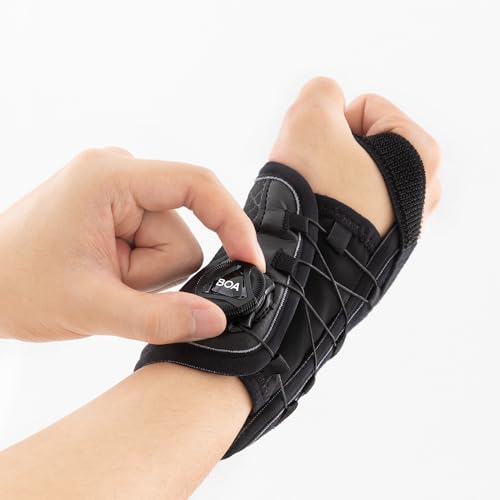
BOA FIT SYSTEM - Works based on dial performance system by push and pull to micro-adjustments for perfect fit without Velcro. Made of durable and resistant high-quality materials and also finished rigorous field tests.

UV Color Changing Technology Smart Sunlight Feedback: The golf wrist brace changes color instantly under UV sunlight, no battery needed. Visual UV indicator for outdoor golf rounds with a unique, fun smart design
Frequently Asked Questions
How Does Wind Influence Ball Bounce on the Court?
Wind influences ball bounce on the court by altering ball trajectory and velocity. Effective court positioning enables players to adapt to unpredictable bounces, while anticipating wind conditions can improve shot accuracy and overall gameplay strategy.
What Gear Modifications Can Improve Performance in the Wind?
To enhance performance in the wind, players should consider adjusting paddle weight and selecting aerodynamic ball types. Such modifications, though seemingly minor, can dramatically affect control and precision during unpredictable weather challenges on the court.
Should I Change My Paddle Grip in Windy Conditions?
Changing paddle grip in windy conditions isn’t essential; instead, focus on paddle grip adjustments that enhance stability. Wind impact effects necessitate reinforced grip techniques without altering fundamental grip style, ensuring better control during erratic ball movement.
How Can I Improve Visibility During Windy Play?
Improving visibility during windy play involves selecting contrasting court colors for better ball distinction and focusing on obstacle avoidance. Regular practice enhances anticipation, ensuring swift reactions to changing conditions and maintaining effective sightlines amid distractions.
Are There Specific Wind Patterns to Watch for During Matches?
During matches, players should monitor wind direction to anticipate shifts affecting shots and consider wind strength for alterations in ball behavior. Tailwinds, headwinds, and crosswinds each impact play differently, necessitating strategic adjustments throughout the game.