As an Amazon Associate, we earn from qualifying purchases. Some links on this site are affiliate links at no extra cost to you. Our recommendations are based on thorough research and editorial judgment.


Tennis Court Surface Evolution and Impact

Modern tennis court surfaces have revolutionized the game’s dynamics and player performance. From classic grass courts offering fast-paced play to clay courts providing slower, higher bounces, each surface uniquely influences ball behavior and movement strategies. Hard courts, now dominating professional circuits, deliver consistent bounce and medium speed. Advanced synthetic materials enhance durability, reduce maintenance, and minimize injury risks. Surface selection affects playing styles, with grass favoring serve-and-volley while clay suits baseline rallies. Understanding these variations helps players adapt tactics and equipment choices for optimal competitive advantage.
# Tennis Court Surface Evolution and Impact
The evolution of tennis court surfaces has notably shaped the game’s dynamics. Originating from indoor wood and stone, the shift to outdoor grass courts in the 19th century introduced faster play styles. With Wimbledon showcasing the prestige of grass tennis, each surface has unique characteristics. Hard courts emerged in the 1940s, favored for consistency. Recent synthetic advancements promise durability and customization. Understanding these changes can enhance your gameplay experience, and further insights await you.
Key Takeaways
- Tennis surfaces have evolved from indoor wood to outdoor grass and hard courts, shaping gameplay and strategies significantly over centuries.
- Grass courts became prestigious with the rise of lawn tennis in the 19th century, promoting aggressive playstyles but requiring intensive maintenance.
- Hard courts emerged in the 1940s, enabling consistent ball bounces and customizable player experiences, eventually dominating major tournaments like the US Open.
- Synthetic surfaces offer durability and reliability, allowing for quick installation and adaptable play, influencing modern tennis standards since the 1960s.
- Future innovations in tennis surfaces may prioritize sustainability, utilizing recycled materials and smart technology to enhance player experiences and reduce environmental impact.
Early Origins of Tennis Surfaces
As tennis evolved, so too did the surfaces on which it was played, shaping the game considerably. The origins of tennis trace back to 12th-century France, where early players engaged in “jeu de paume” within monastery cloisters, utilizing indoor courts with hard surfaces. Historical court materials included wood and stone floors, which showcased the importance of precise striking and control in early playing techniques. Initially, these courts were irregularly shaped, influencing gameplay and strategy. Outdoor grass fields also gained popularity, particularly with Long Tennis. By the early 20th century, innovations like the En-Tout-Cas surface emerged, combining crushed brick and shale for improved drainage. These developments considerably enhanced playability, marking a pivotal shift in the game’s court surfaces. Modern players can now enjoy tennis on various surfaces, with portable tennis nets offering flexibility to practice on different terrains and locations.
The Transition From Informal to Formal Courts
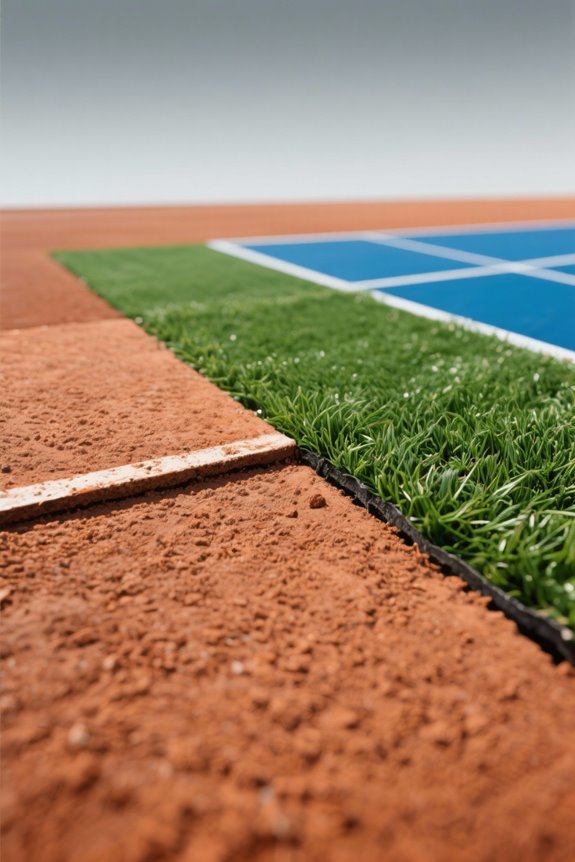
While the early days of tennis featured various informal playing surfaces, the shift to formal courts marked a significant evolution in the sport. Initially, players competed on irregular grounds without standardized dimensions. The introduction of court regulations established clear measurements, with formal courts standardizing to 78 feet long by 27 feet wide for singles. This change guaranteed consistency in gameplay, promoting fair competition. Outdoor play necessitated uniform court sizes, enhancing player safety and performance predictability. As formal courts became standard, players also required specialized footwear with non-slip outsoles to maintain proper traction on these newly regulated surfaces. As a result, the evolution from informal play to formal courts not only refined the sport’s structure but also allowed it to flourish globally. This development laid the foundation for diverse surfaces that cater to varying styles and strategies, enriching the game of tennis.
Rise of Grass Courts in the 19th Century
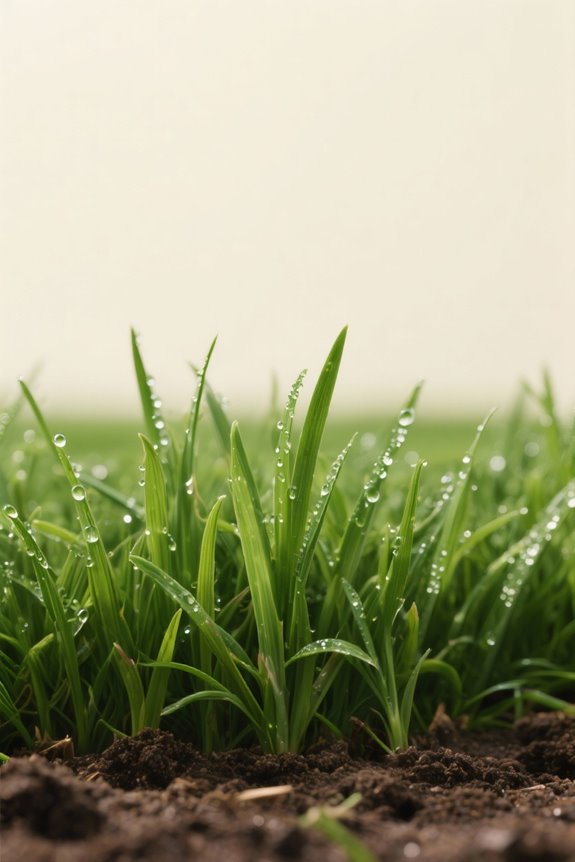
How did grass courts become the hallmark of tennis in the 19th century? The adoption of grass as an outdoor surface coincided with the rise of lawn tennis, especially after Major Walter Clopton Wingfield patented the game in 1873. Grass offered a fast surface with low bounce, favoring aggressive play styles that showcased the elegance of tennis. However, maintenance challenges emerged, as regular watering, mowing, and turf resting were essential for ideal conditions. The first lawn tennis tournament in Birmingham in 1874 marked a pivotal moment, while the All England Croquet Club’s 1877 Wimbledon Championship firmly established grass courts within tennis culture. Ultimately, these courts connected the sport to British aristocracy, elevating its social status and appeal. Players adapted their equipment to match the playing surface, with racquet designs featuring head light balance to enable quicker response times during rapid exchanges on the fast grass.
The Prestige of Wimbledon and Grass Tennis
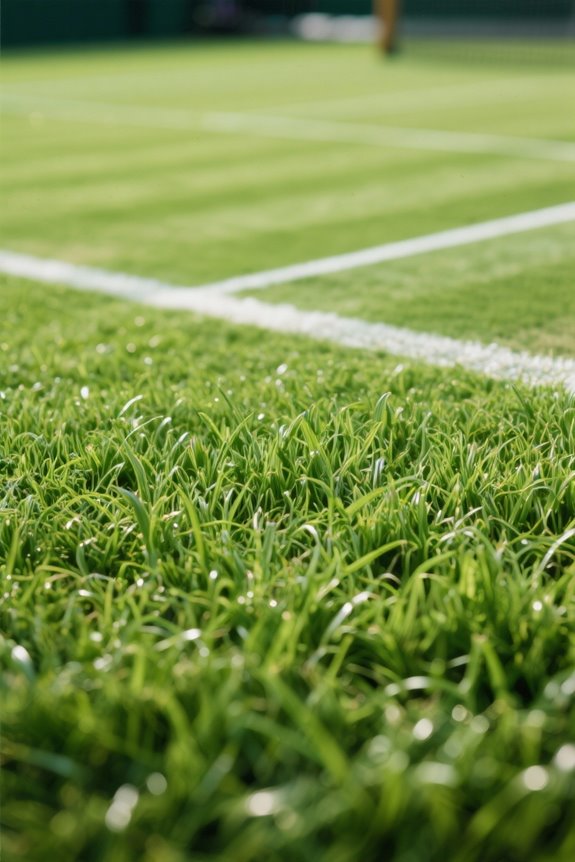
Wimbledon stands as a symbol of grass tennis prestige, drawing thousands to its iconic courts each year. This tournament embodies a rich grass tradition that has evolved since its inception. Originally composed of a blend of bents and fescue, the courts underwent a significant change to 100% perennial ryegrass in 2001. This alteration enhanced durability and ball predictability, showcasing the meticulous care taken to maintain ideal conditions. Daily upkeep, including specific grass height maintenance at 8mm, guarantees the tradition of exceptional play. Furthermore, sophisticated subsurface drainage and weed control systems safeguard performance. Players competing on these prestigious courts require footwear with durable outsoles that provide excellent traction and grip on grass surfaces. Players and spectators alike appreciate Wimbledon‘s ability to honor its storied legacy while embracing modern challenges, making it a pinnacle of excellence in the world of tennis.
Characteristics of Grass Play
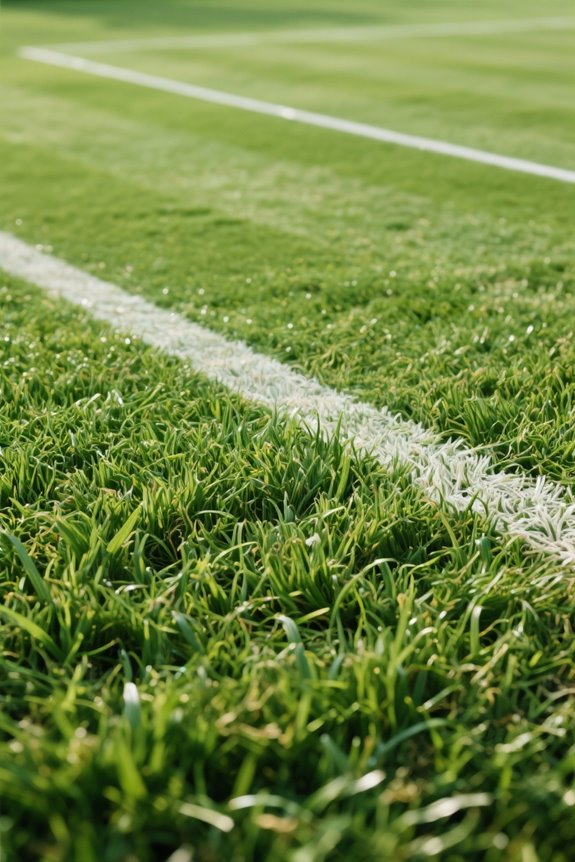
Grass play possesses unique characteristics that distinguish it from other court surfaces in the tennis world. The grass court dynamics create a fast-paced environment, where players benefit from quick points and low bounces. This surface favors a serve and volley style, emphasizing precision and speed over lengthy rallies. However, the unpredictable nature of grass requires significant player adaptability, as fluctuations in weather can lead to slippery conditions, affecting performance. Maintaining grass courts can be costly and labor-intensive, with extensive upkeep needed to preserve ideal playing quality. Additionally, the limited geographical popularity of grass courts, primarily found in the UK and Australia, can restrict access for many players, further complicating their integration into the broader tennis landscape. Unlike clay courts, which benefit from shoes with herringbone patterns for superior traction, grass surfaces demand specialized footwear designed for their slick and variable conditions.
The Emergence of Clay Courts
The emergence of clay courts marked a significant turning point in the world of tennis. Introduced in the 1890s by William Renshaw, these courts quickly gained popularity, particularly in warmer climates. The shift from terracotta to crushed brick for construction emphasized practicality, giving rise to the distinctive red color. Clay court advantages include reduced strain on joints and increased shot timing. This unique surface demands player adaptability, enhancing skills such as footwork and baseline consistency. As clay courts proliferated across Europe and South America, they became a foundation for developing players. Significantly, the French Open solidified the surface’s prestige, showcasing its importance in the sport while influencing players’ styles globally, fostering a deeper understanding of competitive tennis dynamics. Players competing on clay courts benefit from lightweight materials in their footwear, which enhance comfort and reduce fatigue during extended matches on this demanding surface.
Roland Garros and the Challenges of Clay
Founded as a premier clay court tournament, Roland Garros presents unique challenges that players must navigate. The tournament’s red clay surface comprises crushed brick dust over limestone, influencing play dynamics considerably. Players face notable clay court challenges, such as slower balls and higher bounces, impacting their speed and tactics. Additionally, the courts require constant maintenance, with regular watering and sweeping ensuring ideal surface conditions. The depth of approximately 80 cm, composed of varying materials, further complicates gameplay. Roland Garros’ influence extends to player specialization, as many athletes focus on developing skills specifically for clay. Success here has defined careers, with champions like Rafael Nadal exemplifying mastery in adapting to this demanding environment. Players competing on clay require footwear with excellent traction and stability to handle the surface’s unique characteristics during dynamic movements.
Hard Courts: A 20th-Century Innovation
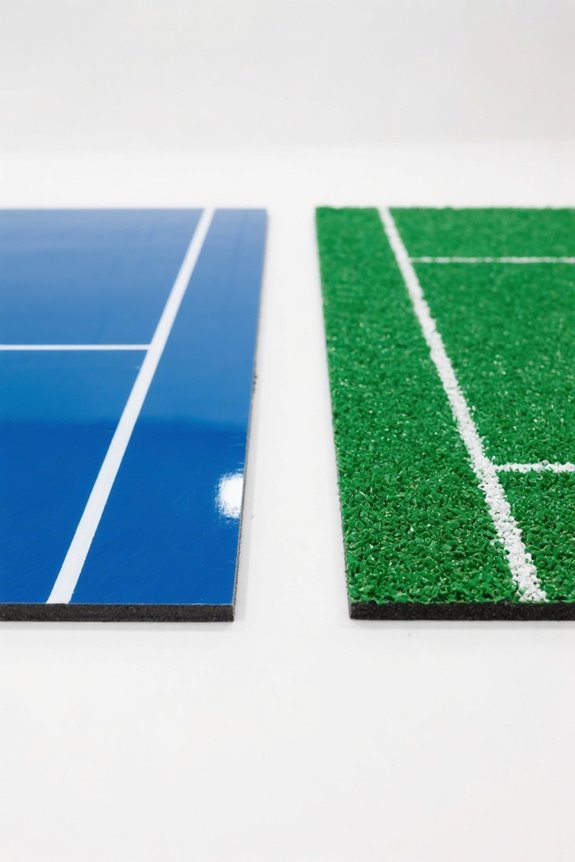
Hard courts represent a significant evolution in tennis surfaces, revolutionizing the game since their introduction in the 1940s. Initially built from concrete or asphalt, these courts incorporated advanced surface technology, utilizing layers of acrylic resins for better performance and longevity. This innovation allowed for customizable court materials that catered to different player needs. The consistent medium-fast ball bounce makes hard courts suitable for diverse playing styles, promoting strategic play. Maintenance is relatively straightforward, requiring resurfacing every 4-5 years. However, they demand regular cleaning and preventive treatments to enhance traction and safety. With moderate cushioning, hard courts balance player comfort and performance, secured as a preferred choice in both professional and public facilities worldwide. Players competing on hard courts often select tennis balls with extra duty felt construction to withstand the abrasive nature of these surfaces during extended play.
Recommended Products

DUNLOP GRAND PRIX EXTRA DUTY TENNIS BALLS: The Dunlop Grand Prix Extra Duty Tennis Balls provide consistent performance for tournament-style play on hard surfaces.

✅ 【Precision Craftsmanship for Unmatched Performance 】 Our GCA Pro ball is a testament to precision craftsmanship and dedication to quality. Each ball is meticulously engineered to deliver unparalleled performance in bounce consistency, flight accuracy, and durability. Elevate your game with equipment that exceeds expectations and stands up to intense matches.

High-quality tennis balls, ideal for regular training
The Shift to Hard Courts at Major Tournaments
Why did hard courts emerge as the preferred surface at major tennis tournaments? Historical preferences leaned toward grass and clay, but the conversion began with the US Open in 1978, permanently adopting hard courts. This shift aligned with surface trends favoring consistency and adaptability for diverse player styles. Technological advancements enhanced court quality, supporting uniformity which met broadcast demands. Today, hard courts promote a balance between aggressive baselining and efficient strategies, influencing player preparation and adaptability. The Australian Open followed suit in 1988, solidifying hard courts at two Grand Slams. Analyzing frequency changes, along with performance metrics, reveals how hard surfaces allow players like Roger Federer and Novak Djokovic to thrive, underscoring their significance in modern tournament strategy. Similar to how pickleball players benefit from shock-absorbing honeycomb cores in their paddles, tennis court surfaces have evolved to optimize impact distribution and player performance across different playing styles.
Recommended Products
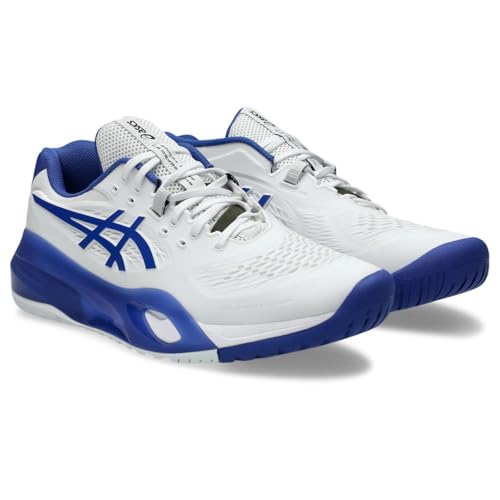
Optimises lateral movements and allows easy return to the starting position.

Breathability, boosted.

The Rush Tour 5 is Wilson's flagship performance shoe. Designed for elite athletes who demand exceptional stability, propulsion, and durability. Built for high-speed movement and explosive play, this model ensures supreme control on any surface. EN
Development of Synthetic and Carpet Surfaces
Synthetic and carpet tennis surfaces revolutionized the game in several ways. Emerging in the 1960s, synthetic materials like artificial turf brought consistency and durability to play. Initially, these surfaces faced challenges, including safety concerns, but advancements led to improved designs that reduced injury risk. The introduction of carpet courts in the 1970s further diversified options for indoor and outdoor play, as they featured quick installation and adaptability. Carpet surfaces, easily replaceable, catered to various environments. Their durability kept maintenance costs low, appealing to clubs seeking economic solutions. Additionally, players appreciated the customizable pace of play—fast options were available with differing sand or rubber granules. While surface selection proved crucial for facility managers, players also learned that choosing the right equipment, such as regular duty balls for softer indoor surfaces, enhanced both comfort and performance during matches. Overall, synthetic and carpet courts greatly changed the tennis landscape for players and organizers alike.
Recommended Products

Ultimate Convenience: Comes in a case of 24 cans (72 balls total) for extended play without interruption

【SIZES】: Area rugs size 4x6ft /48x72 in. Also various sizes and styles to choose, whether you place it in a larger area or a smaller area, you can find the rug that suits you.

Authentic Soccer Field Carpet Rug: Sports area rug replicates realistic turf markings and goal lines, ideal for boys’ bedrooms, playrooms, game rooms and living room décor
Impact of Surface Variety on Gameplay
While the unique characteristics of each tennis court surface greatly shape gameplay, understanding these differences can highly enhance a player’s performance. Grass courts boast surface advantages like faster ball speed, leading to aggressive tactics and quick points. Players often utilize serve-and-volley strategies to capitalize on low bounces. Conversely, clay courts slow down the game, requiring patience and stamina through longer rallies and higher bounces. This influences gameplay strategies considerably, favoring baseline players with strong topspin. Hard courts present a balance, appealing to versatile players who can adapt quickly. Ultimately, mastering the nuances of each surface is essential for any serious competitor, as it can determine match outcomes and influence your on-court effectiveness.
Recommended Products

[ Commercial Grade & 5 Years Service ] Super bright 400W led parking lot light with 60,000Lm, 5000K daylight white, TYPEⅢ beam angle, no glare, no strobe light, best area coverage for outdoor area lighting. 5-year replacement service for any defects or quality issues

For over 35 years, it's comfort and durability right out of the box.

Nike Lebron 20 Men's Basketball Shoe
The Future of Tennis Court Surfaces
As tennis continues to evolve, one cannot overlook the potential advancements in court surfaces. The future could see a blend of sustainable innovations and smart technology. Courts may now utilize recycled materials, like rubber and plastic waste, reducing landfill impact while enhancing durability. Biodegradable infill and water-based coatings will further support eco-friendly practices. Simultaneously, embedding sensors and AI allows real-time tracking of player performance metrics. Smart courts could offer automated scoring and instant replay features, reshaping training experiences. By integrating energy-efficient LED lighting and potentially solar power, these surfaces promise lower energy costs. With innovations focusing on player safety and performance, the next generation of tennis courts could provide ideal, consistent playing conditions while promoting environmental responsibility.
Recommended Products
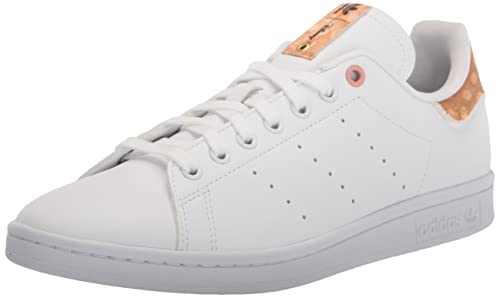
SIZE DOWN: Recommended to size down half a size as these shoes run large

COMPLETE PICKLEBALL COURT IN MINUTES - 16 strip lines (14.6 in) and 8 corner pieces (10.6 in) lay out a mini or full pickleball, tennis or badminton court on any flat surface. Includes an Eco Walker drawstring carry bag to keep all 24 pieces together.

Set contains 16pcs 14.6" strip lines, 8pcs 10.6" corners, and 1pc string backpack for storage. Use your creativity to set up target areas and even make arrows for ball placement.
Frequently Asked Questions
What Are the Environmental Impacts of Different Tennis Court Surfaces?
In a world where eco-friendly materials can save the planet, tennis courts revel in their environmental footprints. Natural grass guzzles water, while synthetic surfaces risk microplastic pollution—true champions of surface sustainability in a paradoxical game.
How Does Climate Affect the Maintenance of Tennis Court Surfaces?
Climate effects markedly influence tennis court maintenance, impacting surface durability. Northern climates require freeze protection and crack sealing, while southern areas necessitate heat management and UV protection, emphasizing tailored strategies for different environmental conditions.
What Role Do Tennis Court Surfaces Play in Player Injury Rates?
Tennis court surfaces greatly influence player injury rates through factors like injury prevention and surface durability. Hard courts increase impact injuries, whereas clay surfaces promote fatigue, illustrating the complex relationship between surface characteristics and player health.
Are There Specific Shoes Recommended for Different Tennis Court Surfaces?
Different tennis court surfaces necessitate specific court shoe types, ensuring ideal surface traction. Grass shoes feature nibs for grip, while clay shoes boast herringbone treads. Hard court shoes emphasize durability, providing varied support for different playing styles.
How Do Cultural Preferences Influence Tennis Court Surface Choice Globally?
Cultural preferences substantially influence tennis court surface choices globally, shaped by regional climates and traditions. Southern European clay courts reflect historical priorities, while hard courts dominate in North America, aligning with accessibility and fast-paced play expectations.