As an Amazon Associate, we earn from qualifying purchases. Some links on this site are affiliate links at no extra cost to you. Our recommendations are based on thorough research and editorial judgment.

How Humidity Affects Racquet Performance

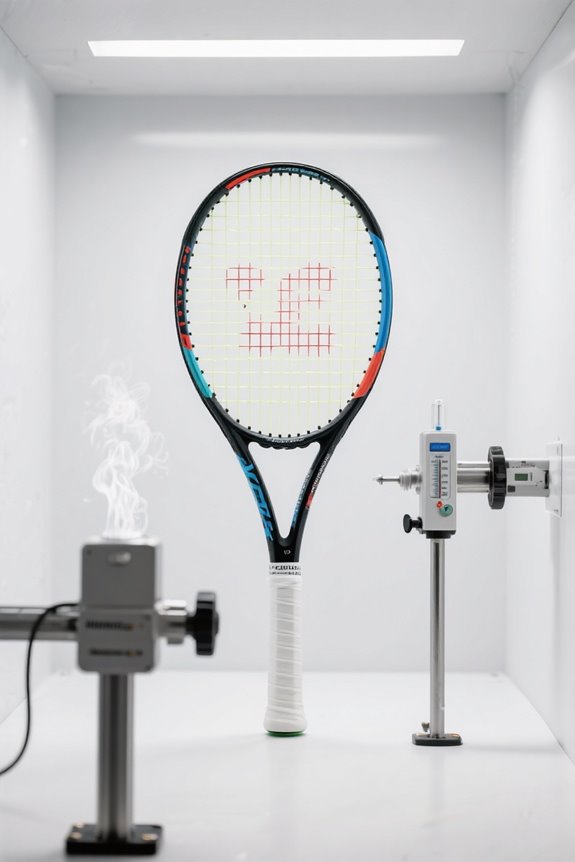
High-quality studio photograph showcasing tennis racquet performance testing equipment in controlled humidity conditions. Features professional-grade racquet positioned center-frame on pristine white backdrop with precision studio lighting highlighting string tension details. Accompanying hygrometer and moisture measurement tools demonstrate environmental impact on equipment performance. Clean, minimalist composition emphasizes premium sports technology with crisp shadows and vibrant accent colors. Perfect for technical sports catalogs or e-commerce platforms requiring detailed product visualization. Ultra-sharp 8k resolution captures material textures and construction quality, illustrating how atmospheric moisture influences string response and racquet durability without distracting elements.
# How Humidity Affects Racquet Performance
Humidity affects racquet performance by impacting both string tension and player physiology. High humidity can cause strings to absorb moisture, leading to tension loss and reduced control. Particularly, natural gut strings swell, while polyester strings remain more stable. Additionally, players may experience an increase in heart rate and a slight decrease in power output due to thermal stress. By adjusting tension and implementing effective grip strategies, performance can be optimized. Discover more about managing these effects effectively.
Key Takeaways
- Humidity increases string tension variability, affecting ball control and shot precision, especially with natural gut strings.
- Polyester strings maintain better tension stability in humid conditions than natural gut strings due to lower moisture absorption.
- Increased humidity elevates string elasticity, impacting power, control, and feel during play, while synthetic materials provide consistency.
- Damp tennis balls become heavier, leading to slower speeds and reduced bounce, altering game dynamics on the court.
- Regular maintenance, including grip adjustments and hydration, is essential to sustain performance in humid conditions.
Impact of Humidity on String Tension
When evaluating the impact of humidity on string tension, it is essential to understand how moisture from the air affects the materials used in racquet strings. Humid conditions cause strings to absorb moisture, leading to physical expansion. This expansion results in tension fluctuation, often described as “loosening” of the strings. With reduced tension, players may find diminished ball control and shot precision, as the responsiveness of the string bed changes. Natural gut strings are particularly affected, swelling and losing tension noticeably. In contrast, polyester strings maintain better tension stability due to lower moisture retention. Moisture-resistant strings, such as those featuring poly-ether-ether materials, offer enhanced durability and help maintain string tension over time even in humid conditions. To counteract tension loss, players may need to increase tension by 1-2 pounds, especially in humid environments, ensuring consistent performance throughout their matches.
Recommended Products

Sun Block: High-density polyethylene fabric provides a 95% UV block, reducing direct sunlight and skin damage. Keep the patio-shaded area cool

KEEP SHINY FOREVER: Every Cubic Zirconia stone is hand-selected 5A quality, which are totally clean and transparent, similar shining with real diamonds. We adopt 0.3μm plating for 5 times, so it won’t turn your skin green and assures no color fading for 3-5 years. It can ensure each tennis chain reflects plenty of light to create that bling-bling effect

TOP-PERFORMANCE RACQUET GRIP TAPE: GAMMA Supreme Overgrip will help you rule the court; These soft grip-tape wraps are made to be long-lasting and feature absorbent material combined with extreme durability to keep up with your game.
Changes in Material Elasticity With Humidity

Humidity not only influences string tension but also notably alters the elasticity of racquet materials. High humidity can dramatically increase string elasticity, especially in natural gut strings, as they absorb moisture. This change impacts ball control, power, and overall feel during play. In contrast, synthetic materials like polyester maintain consistent elasticity in varying humidity conditions, making them a reliable choice. Choosing the right material type based on humidity levels can enhance racquet performance. Additionally, proper storage in dry conditions may help mitigate these effects when the racquet is not in use. Players should consider adjusting string tension or selecting specific materials to optimize performance in humid environments, ensuring consistent playability and responsiveness on the court. Managing sweat and moisture is equally critical, which is why many players rely on moisture-wicking materials in their grips to maintain control during play in humid conditions.
Durability Challenges for Natural Gut Strings

Though natural gut strings are often prized for their superior feel and performance, they face significant durability challenges in humid environments. The absorption of moisture leads to swelling, which ultimately shortens string longevity. As fibers expand, they lose tension more quickly, requiring frequent restringing for ideal play. Players in humid regions may find themselves replacing strings every few weeks, even with improved moisture control from modern coatings. While coated varieties offer better resistance, they still succumb to humidity’s effects over time. Regular maintenance, such as applying wax and cleaning, can help prolong the lifespan of natural gut strings. However, many players in tropical climates often turn to synthetic options, which provide greater durability under moisture-rich conditions. Modern racquets constructed from advanced materials like graphite offer enhanced stability that helps maintain consistent string tension even when environmental conditions fluctuate.
Recommended Products

Wilson Natural Gut 16 Tennis String - Set, White

Gauge: 16/1.30mm

Comprised of 9 serosa ribbons
Performance Consistency in Variable Humidity
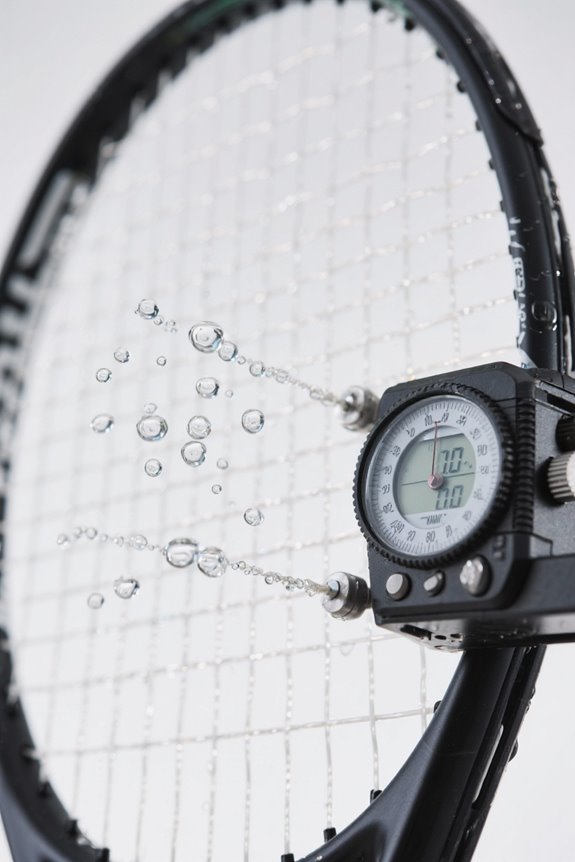
For ideal racquet performance, understanding how to maintain consistency in variable humidity is essential. Humidity levels greatly impact string tension and grip effectiveness. When humidity rises, strings absorb moisture, leading to expansion and loss of tension, which can diminish shot control. To combat this, increasing string tension by 1-2 pounds in humid conditions is advised. Players should also consider equipment adjustments by choosing polyester or hybrid strings, as these maintain tension better in such environments. In addition, humidity affects grip performance; enhanced moisture-wicking grip materials can help reduce slippage. By proactively monitoring humidity levels and adjusting equipment accordingly, players can sustain peak performance during their matches, ensuring greater consistency despite changing conditions. Just as proper footwear with breathable mesh materials regulates temperature and moisture for optimal foot performance, selecting racquets and strings that account for humidity ensures equipment reliability throughout play.
Adjusting String Tension for Optimal Play
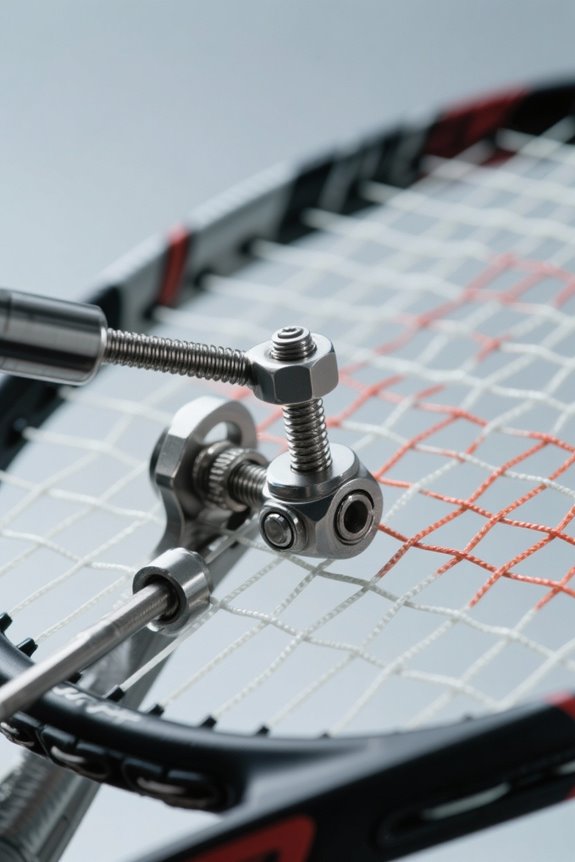
Adjusting string tension is crucial for improving racquet performance. In humid conditions, moisture absorption affects the elasticity of strings, particularly nylon and natural gut, leading to a temporary loss of tension. To maintain ideal play, it is recommended to increase string tension by 2-4 lbs when facing high humidity. This adjustment tightens the string bed, which helps retain control and shot precision. Conversely, in cold and dry environments, a decrease of 2-3 lbs can restore power by softening the strings. Frequent checks on string tension before play guarantee that performance remains consistent. Additionally, storing racquets in dry, air-conditioned spaces can help prevent irreversible tension loss and prolong string lifespan. Just as proper footwear with superior traction patterns enhances stability on clay courts, maintaining optimal string tension ensures reliable performance in varying humidity conditions.
Recommended Products
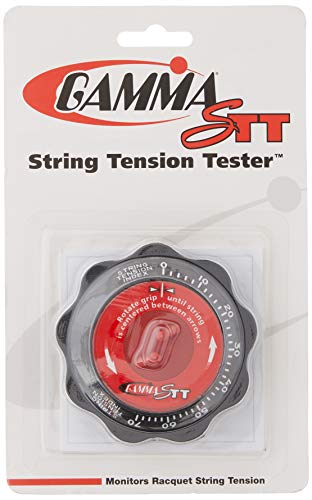
The STT lets you know when it’s time to restring. Provides a "String Tension Index" to determine relative tension loss of strings over time Modern ergonomic design is easy...
Control and Shot Precision in Humid Conditions
Humidity greatly impacts control and shot precision on the tennis court. The increased air density in humid conditions slows down the ball, affecting shot accuracy considerably. Players often find that their shots don’t have the same pop or bounce, leading to longer rallies and decreased effectiveness of topspin. This shift influences strategic play, as players may adopt more defensive tactics to compensate. They often rely on higher, looping shots due to the damp conditions that make the ball behave unpredictably. As fatigue sets in more quickly in humid weather, maintaining focus becomes more challenging, further affecting shot precision. To counter these challenges, players should consider rackets with open string patterns that enhance spin production, helping maintain better control over shot trajectory in humid environments. Overall, humidity impact alters gameplay dynamics, requiring players to adapt their strategies for enhanced performance.
Influence of Humidity on Racket Grip and Handling
Effective rackets are essential for top performance on the court, and humidity can significantly impact grip and handling. Increased grip moisture from sweat can lead to slippage, disrupting play. To combat this, players can employ handling strategies such as using moisture-absorbing overgrips like Tourna Grip. These grips dry quickly and reduce moisture buildup. Regularly changing overgrips, ideally after every match, will maintain grip tackiness. Additionally, wipes or towels for quick drying can enhance control. Incorporating rosin bags can further improve traction. High-quality polyurethane grips excel in humid conditions due to their effective sweat absorption properties, which help maintain control during intense play. By adapting grip thickness or utilizing wrist sweatbands, players can effectively counterbalance humidity’s effects, ensuring the best racket handling and consistent performance even in challenging conditions. These measures are essential for anyone serious about their game.
Recommended Products

INLCUDED: Inlcuded in your purchase is 1, 2, 3, 4, 5, or 6 packages of Yonex Super Grap 30-Wrap Overgrip Reel in your choice of color.

High performance over grip with tech finish. Improved dry feel with extreme moisture absorption for the toughest of players and conditions!

Wilson Pro Overgrip - 60 Pack, White
Maintaining Optimal Grip Performance
To maintain ideal grip performance, players must pay close attention to their equipment and conditions. Implementing effective grip maintenance strategies involves regularly cleaning and replacing overgrips to prevent performance decline. Choosing the right overgrip is vital; for instance, high-absorbency options like Yonex Dry Grap excel in humid conditions due to their moisture management capabilities. Moisture management techniques, such as using polymer-based overgrips, can enhance stability by resisting slippage. Additionally, consider performance enhancing materials that offer quick-drying properties. Players should also be aware of grip size adjustments, as thicker overgrips can reduce fatigue and improve control. Grips with superior moisture absorption, such as the Babolat Syntec Pro Replacement Grip, can maintain performance for 3-5 months depending on usage frequency. By following these overgrip selection tips and maintenance routines, players can guarantee consistent grip performance throughout matches.
Physiological Effects on Player Performance
Playing racquet sports in high humidity challenges athletes not only in grip performance but also in physiological responses. High humidity increases heart rate and decreases oxygen efficiency, leading to faster fatigue during play. Heart rates can be higher in humid conditions than in dry ones, causing an approximate 12% drop in oxygen consumption. Elevated body temperature, resulting from reduced sweat evaporation, further exacerbates thermal stress and increases the risk of dehydration. Consequently, athletes often experience a 2-3% decrease in power output and speed, particularly in longer matches. Humidity adaptation through regular training can help, yet it does not eliminate physiological strain. Players must be aware of these effects to manage performance effectively in humid environments. Proper footwear with breathable materials can help mitigate discomfort by promoting air circulation and reducing heat buildup around the feet during humid conditions.
Seasonal Variability and Humidity Effects
Experiencing seasonal variability in humidity brings unique challenges to racquet sports that players must navigate. As humidity rises during the summer months, racquet strings soften, necessitating seasonal adjustments to maintain proper tension. Players may need to increase string tightness to compensate for the impact on shot precision. Additionally, damp tennis balls weigh more and exhibit slower speeds and reduced bounce. Such shifts in ball behavior make strategic humidity training vital. High humidity can also alter court dynamics by affecting surface traction and bounce characteristics, requiring players to adapt their techniques. Since hybrid tennis strings combine different materials like multifilament and polyester, their response to humidity changes can vary significantly, making proper tension adjustments even more critical for maintaining consistent performance. Understanding these seasonal factors ultimately aids in optimizing performance and achieving better results in humid conditions, making it important for players to stay informed and flexible.
Strategies for Managing Humidity in Play
Humidity poses important challenges during racquet sports, making effective management strategies essential for maintaining ideal performance. Athletes can utilize various cooling techniques, such as applying cold packs and towels during play. Post-match cold water immersion accelerates recovery and reduces heat strain. Increasing water intake is vital; electrolyte-rich fluids help replenish salts lost through sweat. Hydration strategies should include planned breaks during changeovers to combat heat exhaustion. Monitoring hydration status through urine color can prevent dehydration. Wearing moisture-wicking clothing enhances sweat evaporation while light-colored apparel reflects heat. Finally, ensuring proper airflow in venues can greatly improve comfort. Together, these strategies form a robust approach to managing humidity’s impact on racquet sports performance.
Recommended Products

Wire Closure System: This streamlined system cradles your foot to create a precise fit that boosts comfort and control.

Crafted from 4-ounce, 100% recycled polyester fabric

Features moisture wicking technology that keeps your feet cool and dry. Draws moisture and sweat away from the feet with a quality blend of fibers. The breathable fibers allow your feet to breathe and stay comfortable while performing activities for maximum performance.
Importance of Regular Racket Maintenance
Maintaining a racquet is crucial for enhancing its longevity and performance. Regular racket cleaning protects against dirt and sweat, which can damage the frame and strings. Routine inspections for cracks or frame damage guarantee consistent play, avoiding unpredictable ball responses. Grip replacement is essential; a worn grip can lead to loss of control and increase the risk of injury. Restringing your racquet depends on your play intensity—casual players may only need it once or twice a year, while advanced players could restring monthly. By prioritizing these maintenance tasks, players can prevent costly repairs, maximize their equipment’s performance, and maintain peak string tension, ultimately contributing to a more enjoyable and safer playing experience.
Frequently Asked Questions
How Does Humidity Specifically Affect Racket Weight and Balance?
Humidity affects racket weight and balance through moisture absorption, which increases string weight, particularly in the head area. This alteration impacts racket handling, making it feel head-heavy and potentially reducing maneuverability and swing speed for players.
What String Materials Work Best in Extremely Humid Environments?
In extremely humid environments, polyester strings excel due to durability and tension retention. Synthetic gut offers a balanced performance, while multifilament strings provide comfort. Natural gut’s moisture sensitivity makes it less reliable for consistent play in such conditions.
Can Humidity Impact My Playing Style or Technique?
Humidity can considerably impact playing style and technique adjustments. Strategies may shift from power to precision, demanding enhanced control. Players often recalibrate footwork and shot selection, adapting to the slower ball movement and altered court dynamics.
How Often Should I Replace My Strings in High Humidity?
In high humidity, frequent string maintenance is essential. Players should replace strings 25-50% more often to counter humidity effects, ensuring ideal tension and performance, especially for those using natural gut or multifilament strings.
Does Humidity Affect the Lifespan of My Racket Frame?
Humidity markedly affects the lifespan of a racket frame, compromising frame integrity due to moisture absorption. Increased moisture leads to structural weakening and potential delamination, ultimately diminishing performance and durability in humid environments. Regular maintenance is essential.