As an Amazon Associate, we earn from qualifying purchases. Some links on this site are affiliate links at no extra cost to you. Our recommendations are based on thorough research and editorial judgment.


Common Pickleball Serve Mistakes and How to Fix Them

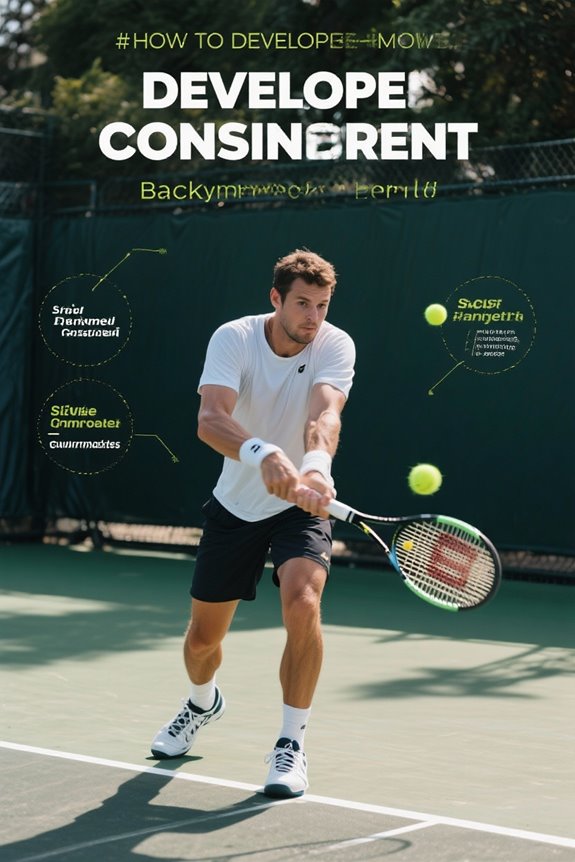
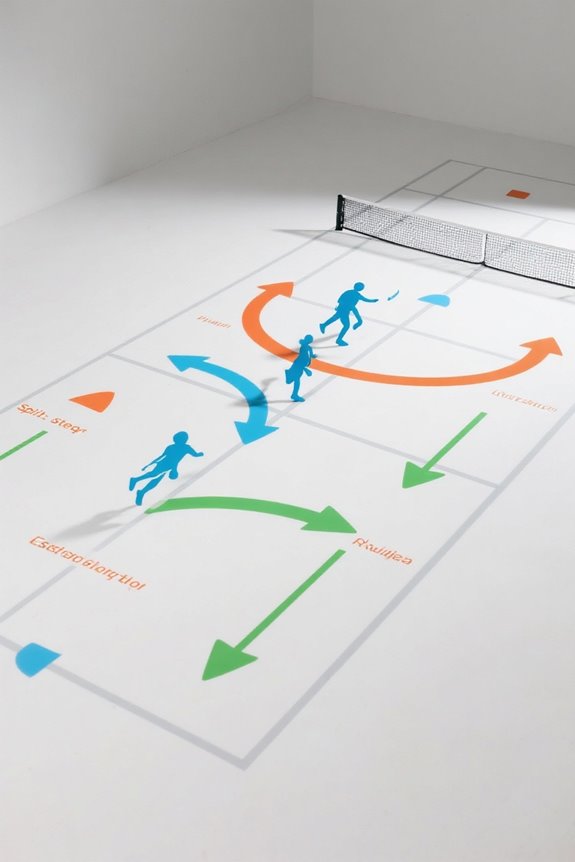
This professional guide showcases essential pickleball serving techniques through pristine studio photography. Featured against a clean white backdrop with premium lighting, the composition highlights critical serve mechanics and corrections. Sharp focus captures paddle positioning, ball placement, and form fundamentals that players commonly struggle with. The minimalist presentation emphasizes proper grip, stance, and follow-through elements while maintaining commercial catalog quality. Vibrant colors distinguish correct versus incorrect techniques, making this an invaluable reference for players seeking to eliminate serving errors and improve consistency on the court.
# Common Pickleball Serve Mistakes and How to Fix Them
Common mistakes in pickleball serving include incorrect paddle positioning and violating serve area rules. Make certain your paddle is below the waist when making contact and that you serve from behind the baseline. Many players struggle with power and spin; adjusting your grip can help. Footwork is essential, so practice a semiclosed stance for better control. Analyzing serve performance can guide necessary adjustments. Mastering these details can enhance your game considerably, so uncover more strategies for improvement.
Key Takeaways
- Ensure the paddle is positioned below waist level and angled upwards to avoid serve faults from incorrect paddle positioning.
- Maintain feet behind the baseline during the serve, stepping forward only after the ball is struck to avoid violations.
- Focus on achieving a controlled upward arc during the serve to comply with legal serving height requirements.
- Incorporate spin techniques and adjust your paddle grip to enhance serve effectiveness without sacrificing power balance.
- Practice dynamic footwork and immediate movement post-serve to improve positioning for subsequent plays.
Incorrect Serve Height and Paddle Positioning
When a player serves in pickleball, ensuring correct serve height and paddle positioning is essential for success on the court. Striking the ball above waist level leads to serve faults, offering opponents a chance to capitalize. To comply with official rules, the paddle must be positioned below the waist and angled upwards during contact. This technique allows for an upward arc, vital for a legal serve. Common errors include using incorrect paddle angles or failing to maintain the proper height. Practicing controlled swings can help solidify your muscle memory for correct positioning. Remember, maintaining proper paddle alignment not only prevents faults but also improves your serve’s effectiveness and consistency in games. Using a paddle with the right grip size between 4 ¼ and 4 ½ inches ensures better control during serves, as a snug fit prevents wrist injuries and enhances precision.
Recommended Products

IDEAL FOR PRACTICE - Allows new lacrosse players to feel more at ease and confident. The softer outer fabric is both less intimidating and doesn’t hurt as bad if you get hit by a ball.

THE STANDARD ON COURT: USAP approved, chosen as the official ball for both the US Open Pickleball Championships and USA Pickleball, and engineered for official size and weight, these pickleball balls deliver consistent performance for both pro and amateur players

FAMILY-OWNED: At Selkirk, we are committed to fueling the pickleball obsession found within every player. Through uncompromising quality and a never-satisfied drive for innovation, we serve players around the world from beginners to pros.
Serve Location and Area Compliance
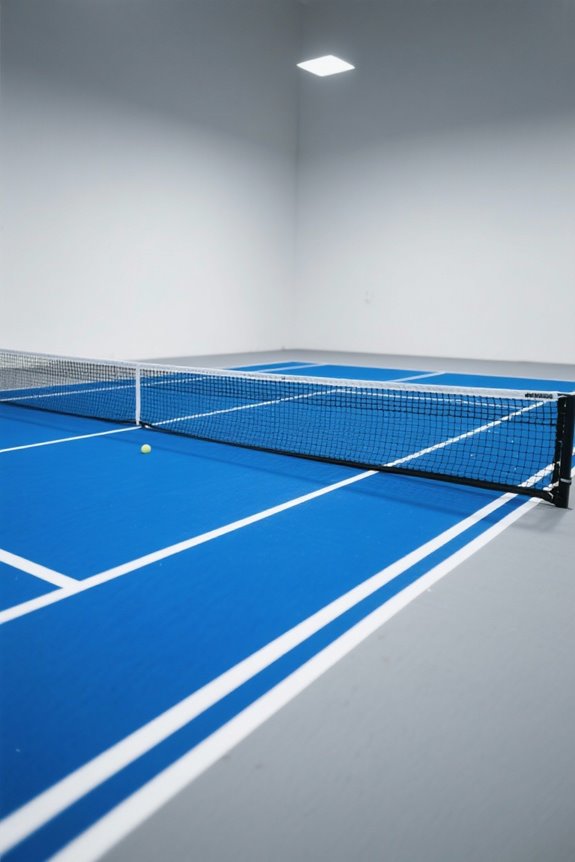
Accurate serve location and adherence to area compliance are just as important as proper serve height and paddle positioning. A player must serve from behind the baseline, ensuring that at least one foot remains within the designated service area. The serve must be directed diagonally across the court, landing within the opponent’s service court. Violating court boundaries can result in lost points; for instance, stepping on the baseline breaks the rules. Additionally, the serve must clear the non-volley zone, avoiding any contact with its lines. Players often overlook these details, which can lead to critical mistakes. Understanding the dimensions of the service area and respecting the necessary court boundaries are essential for a successful and compliant serve in pickleball. Using USAPA approved equipment during practice helps ensure you’re training under the same conditions you’ll face in tournament play.
Managing Spin and Power in Serves
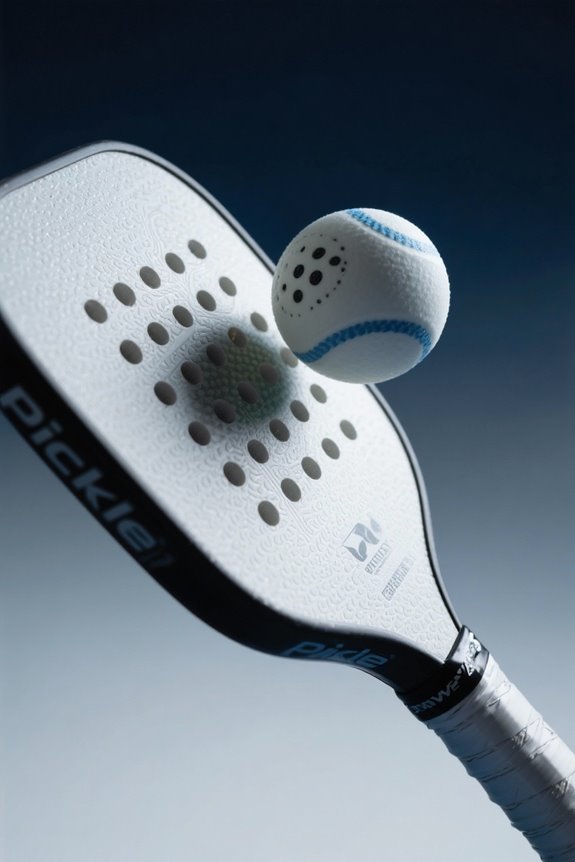
Mastering spin and power in pickleball serves greatly impacts a player’s overall game strategy. Effective ball rotation techniques, such as topspin, sidespin, and underspin, create unique challenges for opponents. To enhance spin, players need precise control over paddle grip adjustments, especially with the Continental grip, which supports versatile spin applications. A slower serve with topspin can maintain accuracy while increasing post-bounce speed. Meanwhile, sidespin benefits from moderate power to emphasize its curve. Underspin requires a softer touch to guarantee erratic bounces. Balancing these elements is essential; excessive power can diminish spin quality, making serves easier to anticipate. Advanced paddles with textured surface technology can significantly improve spin generation, allowing players to maximize ball rotation while maintaining control. Regular practice fine-tuning paddle angle and wrist motion will appreciably improve serve reliability, transforming potential mistakes into effective plays.
Recommended Products

Wilson Bela V3 Padel Racket - Size 2 - 4 1/4"

EXCEPTIONAL CONTROL WITH SOFTER IMPACT: The STIGA 18K 2 Cybershape delivers ultimate control and precision with a softer ball impact for refined touch in every rally. Fine-tuned for competitive players, it offers a medium balance and 360 g weight, giving you the responsiveness to handle tough shots without losing feel or accuracy.

Multiple Colors & Size Options: Epoxy colored sand floor paint achieve a high-gloss finish with a unique colored sand texture that adds elegance to any space. Choose from six stunning colors to create the perfect look for your outdoor area
Footwork and Positioning for Effective Serves
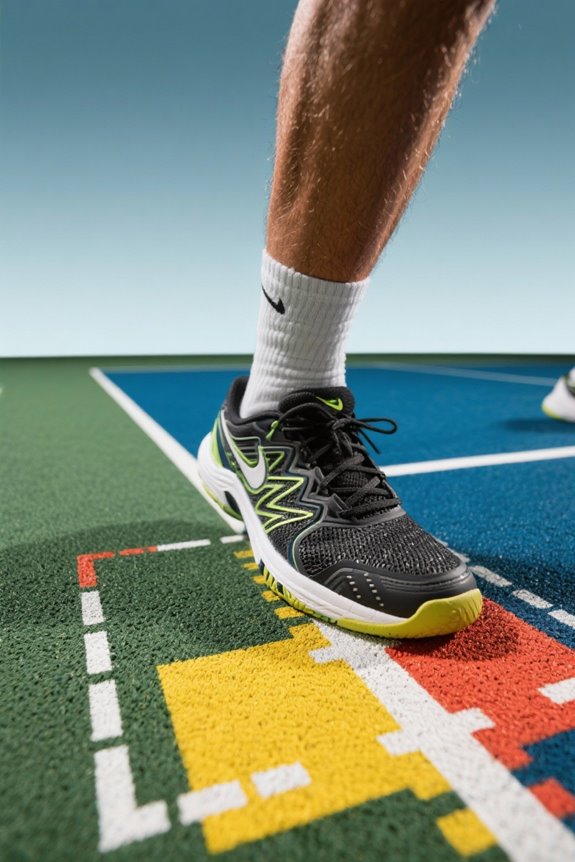
Developing effective footwork and positioning is essential for serving successfully in pickleball. Proper baseline positioning requires both feet to remain behind the baseline until after the ball is struck. Rushing forward risks foot faults and hinders serve consistency. For stance selection, a semiclosed stance enhances control; guarantee your nondominant foot is closer to the baseline. This alignment aids in weight transfer and power generation. Keeping feet shoulder-width apart promotes balance. Practicing dynamic footwork, including a small backward step, can foster better momentum without crossing the baseline early. Finally, immediate post-serve movement towards the kitchen line prepares you for the next play, enhancing your overall game strategy. Wearing shoes with excellent traction ensures your feet maintain proper positioning during the serve and prevents slips during quick lateral movements. Mastering these elements leads to more effective serves consistently.
Analyzing Serve Performance and Making Adjustments
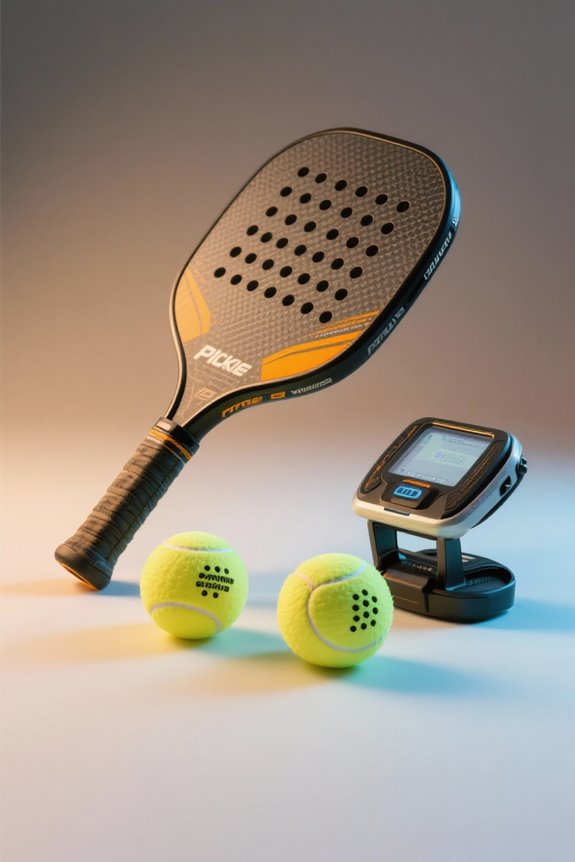
For many players, analyzing serve performance provides essential insights into enhancing overall game effectiveness. Metrics such as successful serve percentages, faults, and forced return errors are vital for evaluating serve effectiveness. Players should track these stats to identify patterns in their serve placement and adjust accordingly. Making tactical adjustments may involve experimenting with serve speed, spin, and placement to disrupt opponents’ returns. It’s important to note that aggressive serves, while high-risk, can yield unexpected point opportunities. Additionally, understanding common serve fault patterns, like foot faults or improper contact, allows players to refine their technique. The right equipment can also impact serve consistency, as paddles with advanced spin technology can enhance shot dynamics and improve energy transfer during serves. By consistently reviewing serve-related performance metrics, players can improve their game and ultimately increase match-winning chances.
Frequently Asked Questions
How Can I Improve My Serve’s Speed and Power?
To improve serve speed and power, one should refine serve technique through optimized body mechanics, engaging the core, practicing consistent contact timing, and varying toss and spin types to enhance overall effectiveness and pressure on opponents.
What Should I Focus on During Serve Practice Sessions?
During serve practice sessions, one should prioritize focus areas like serve mechanics, consistency, and accuracy. By integrating technique refinement and targeted drills, players enhance their ability to deliver effective serves under pressure.
How Does Weather Affect My Serving Technique?
During a tournament, a player struggled to serve effectively due to strong wind resistance, leading to missed points. Weather directly impacts serving technique, requiring adjustments based on court conditions to enhance accuracy and control.
Are There Specific Drills to Enhance Serve Consistency?
To enhance serve consistency, incorporating drills that focus on serve rhythm is essential. Paying attention to grip tension during practice helps players develop control and precision, ultimately leading to improved serving performance on the court.
How Do My Nerves Impact My Serving Performance?
Nervous tension greatly impacts serving performance by causing muscle rigidity and impaired coordination. Mental preparation techniques, such as positive self-talk, can help alleviate anxiety and improve execution during critical moments in competitive play.