As an Amazon Associate, we earn from qualifying purchases. Some links on this site are affiliate links at no extra cost to you. Our recommendations are based on thorough research and editorial judgment.

Extending the Life of Your Pickleball Paddle

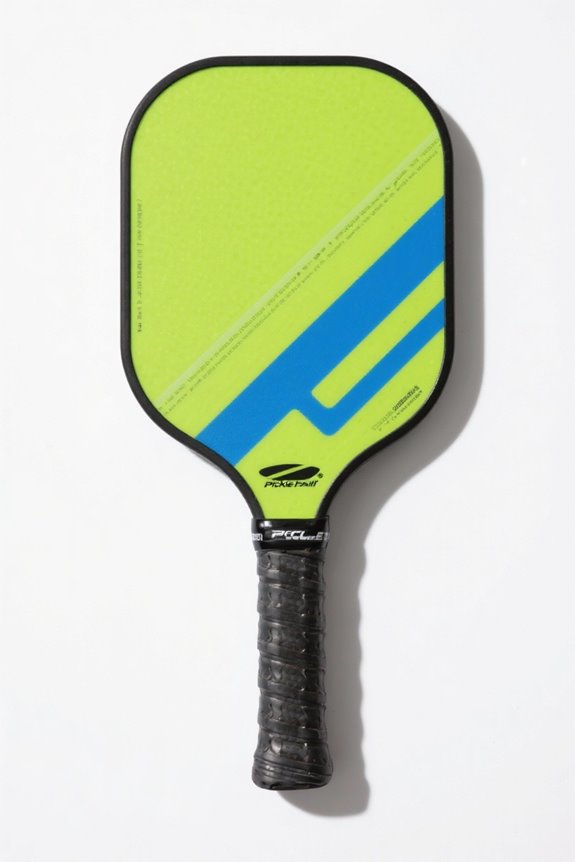
Premium pickleball paddle displayed on pristine white background with professional studio lighting. The paddle features a vibrant, unblemished surface with crisp edge guard and smooth grip. Shot in high-end catalog style with centered composition and soft shadows that highlight the paddle’s quality construction. Sharp focus captures every detail from the textured handle to the flawless face, showcasing proper paddle maintenance and care. Commercial-grade 8k photography emphasizes the equipment’s premium condition, ideal for e-commerce presentation. Minimalist styling draws attention to the paddle’s excellent preservation and longevity.
# Extending the Life of Your Pickleball Paddle
To extend the life of your pickleball paddle, watch for signs of wear including cracks, dents, and peeling edge guards. Regular cleaning with a microfiber cloth, deep cleaning with warm soapy water, and storing your paddle in a controlled environment are essential. Quality materials, like carbon fiber, can enhance durability. Your playing style also matters; softer hits tend to wear paddles less aggressively. Curious about more tips? There’s more to discover about maximizing your paddle’s lifespan.
Key Takeaways
- Regularly clean your paddle with a microfiber cloth after each use to prevent dirt buildup.
- Store your paddle in a temperature- and humidity-controlled environment to avoid warping.
- Use paddle covers to safeguard against scratches and UV damage when not in use.
- Inspect for visual damage, such as cracks or peeling edge guards, and replace if necessary.
- Avoid exposing your paddle to extreme temperatures and moisture to maintain its integrity and performance.
Signs of Wear and When to Replace Your Paddle
A pickleball paddle’s performance and longevity hinge on recognizing signs of wear. Visual damage, such as dents, cracks, or edge damage, can indicate core issues that might require immediate attention. If the edge guard is peeling or failing, consider replacing the paddle, especially if repairs aren’t viable. Cracked frames compromise performance, while trim separation often signifies a core collapse. Signs of warping can impact play consistency, making it essential to act swiftly. Remember, surface wear can diminish grip and control. As you play, listen for unusual sounds—buzzing or rattling may hint at internal damage. If any of these issues appear, replacing your paddle will help maintain your playing level and safety on the court. Most experts recommend replacing paddles every 6 to 12 months based on usage frequency, even if visible damage isn’t immediately apparent.
Recommended Products

CERTIFIED AUTHORITY FOR COMPETITIVE PLAY: Join the ranks of winners with a pickleball paddle that is USAP Pickleball PBCOR.43 Approved and UPA Pro Certified. This nox equipment serves as an experienced guide, ensuring you play with the same specifications as the pros. These pickle ball paddles eliminate the noise of subpar gear, offering a proven path to peak performance. Choose a pickleball racket that delivers unparalleled consistency and helps you reach your goals.
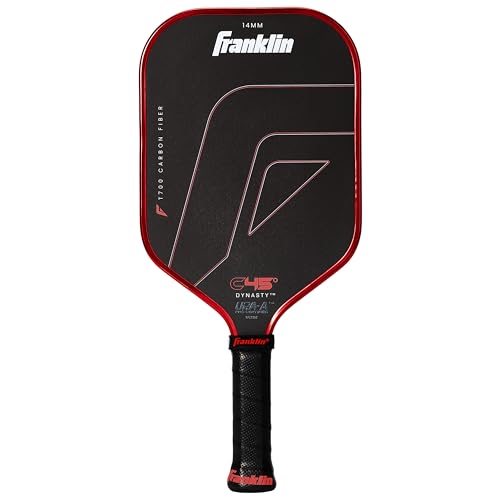
UNRIVALED STRENGTH: The C45 paddle is constructed using a double thermoforming process designed to maximize the integrity of the paddle by enhancing the structure — not once, but twice — which increases the strength of the unibody design and helps to reduce vibration

OFFICIAL PADDLE SPONSOR OF TENNIS LEGENDS ANDRE AGASSI & STEFFI GRAF: An innovator & global leader in table tennis for 70+ years, JOOLA teams up with Agassi and Graf to create a new line of equipment for the pickleball community. Let's play.
Factors That Influence Paddle Lifespan
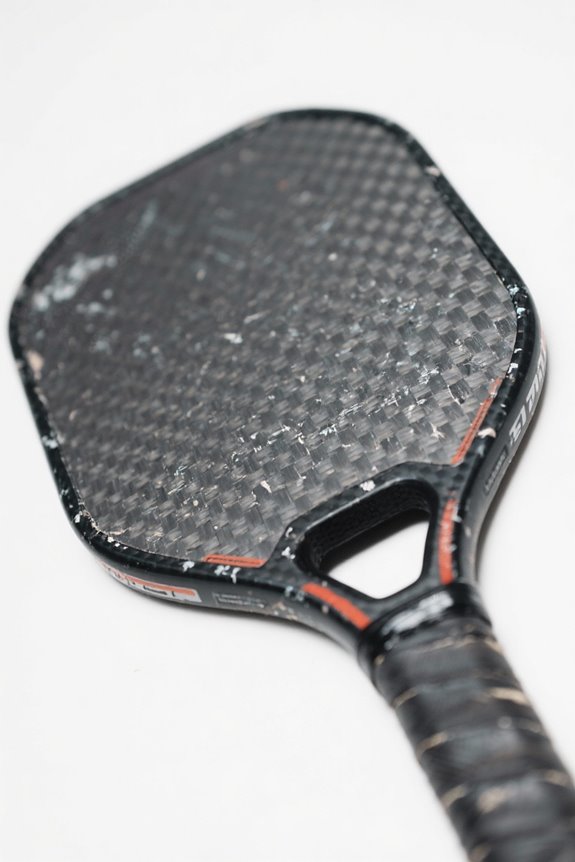
Recognizing when to replace a pickleball paddle is just the beginning. The lifespan of your paddle is influenced by several factors, particularly usage frequency. Regular players, hitting the courts multiple times a week, may find their paddles wearing out in just 6 to 12 months. In contrast, casual players can enjoy their paddles for 1 to 3 years or more. Paddle care also notably matters; higher-quality materials like graphite last longer than wooden types. Playing style affects durability as power hitters cause quicker wear from impact stress, while softer players generally prolong paddle life. Environmental factors, such as temperature extremes and moisture, can further compromise performance, demonstrating the importance of mindful storage and care habits to maximize your paddle’s longevity. Similar to outdoor tennis equipment, proper maintenance can extend your paddle’s usable life to three to five years with consistent care and protection from harsh weather conditions.
Recommended Products

NEW KINETICFRAME TECHNOLOGY: Inspired by the way a hockey stick flexes to load and release energy, KineticFrame construction adapts to your swing—delivering explosive power on aggressive drives while maintaining control and forgiveness for defensive play.

Elite Carbon Fiber Pickleball Paddle For Advanced Players: Designed for competitive athletes seeking precision and power, the TruFoam Barrage carbon fiber pickleball paddle delivers explosive drives, fast hands at the net, and confident shot placement. Ideal for advanced players who demand maximum spin, control, and responsiveness during high-speed rallies. Every CRBN Paddle comes with a free Neoprene Paddle Cover.
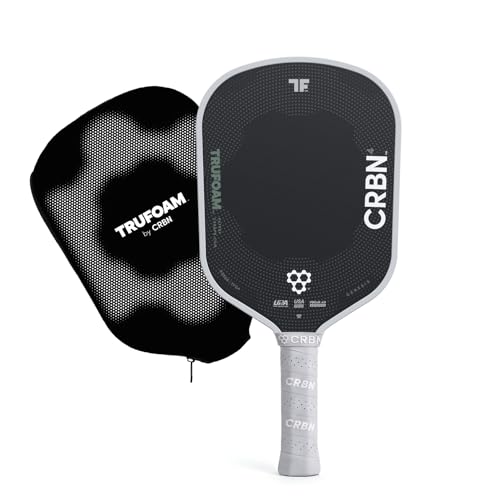
Built for the Future: CRBN TruFoam Genesis is more than just a paddle—it's the next evolution in pickleball. The carbon fiber pickleball paddle is the result of 18 months of development, more than 200 prototypes, and a complete reimagining of paddle technology. Made for players who demand performance, precision, and durability.
Maintenance Practices to Extend Paddle Life
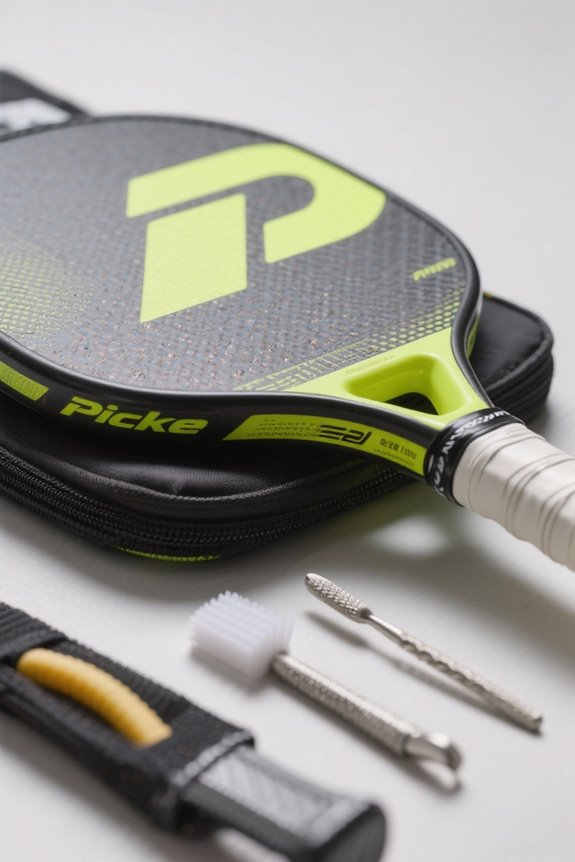
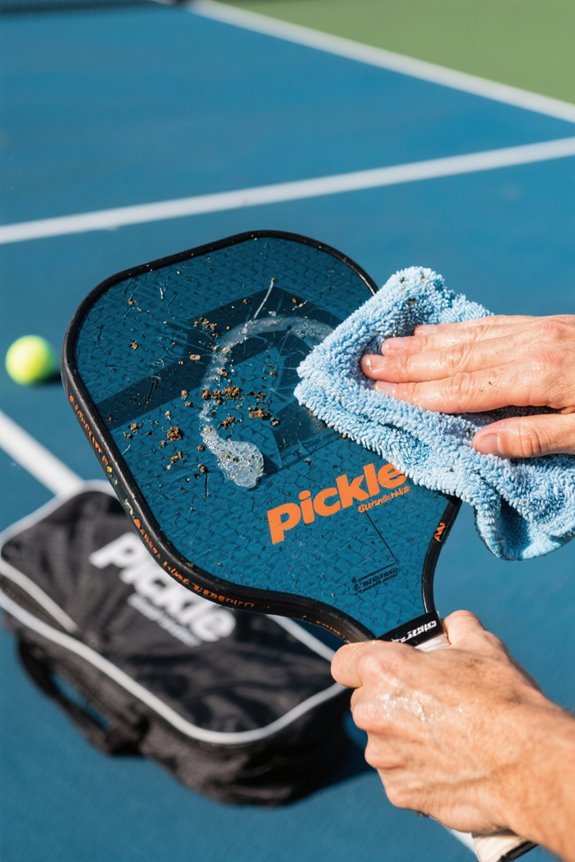
Consistent maintenance is essential for players looking to extend the lifespan of their pickleball paddles. Regular paddle cleaning is significant; after each match, players should wipe the paddle with a soft microfiber cloth to eliminate dust and debris. For deeper cleaning, use a mix of warm water and mild soap weekly. Proper storage techniques also play an important role in preservation. Store the paddle in a temperature- and humidity-controlled space, avoiding extreme conditions, and always make certain it is completely dry before putting it away. Utilizing a paddle cover protects against scratches and UV damage. Paddles with edge guards and shock-resistant bumpers provide additional protection against damage and help maintain structural integrity over time. By following these maintenance practices, players can help maintain their paddle’s performance, guaranteeing it lasts for many matches.
Recommended Products

【Powerful】PulseFoam Power Core grabs the ball like a pro’s pickleball paddle should. Rip top spin drives, slice dinks, and roll volleys that skid and kick. The NanoGraph Surface is engineered to enhance durability, prolong spin effects, and improve overall performance.

【Powerful】PulseFoam Power Core grabs the ball like a pro’s paddle should. Rip top spin drives, slice dinks, and roll volleys that skid and kick. The NanoGraph Surface is engineered to enhance durability, prolong spin effects, and improve overall performance. You’ll see the difference, and so will your opponents. Trust Your Game to USAPA Certification.

【Powerful】PulseFoam Power Core grabs the ball like a pro’s paddle should. Rip top spin drives, slice dinks, and roll volleys that skid and kick. The NanoGraph Surface is engineered to enhance durability, prolong spin effects, and improve overall performance. You’ll see the difference, and so will your opponents. Trust Your Game to USAPA Certification.
Performance Indicators of Paddle Degradation
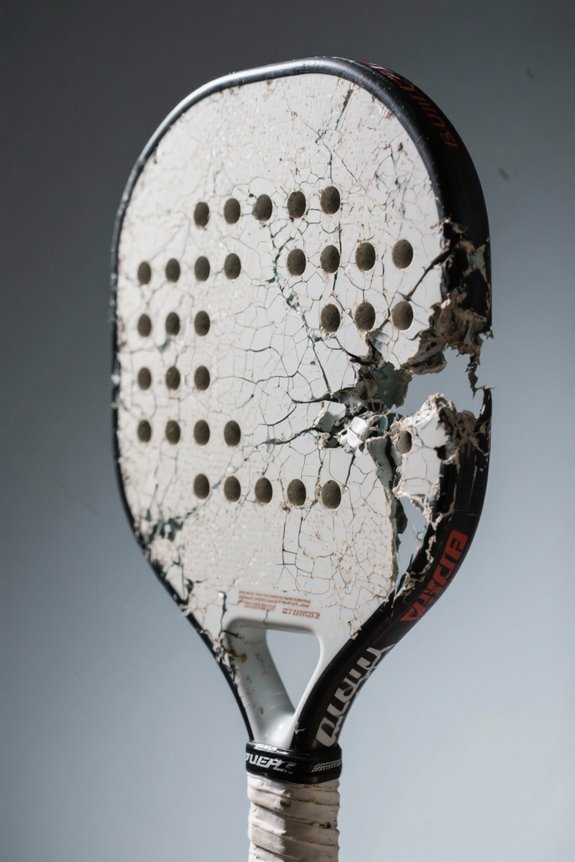
Many players may not realize the subtle signs that indicate their pickleball paddles are degrading. Surface wear often leads to a smoother paddle face, reducing spin and grip. Additionally, inspect the EdgeGuard, as peeling can result in structural damage. Cracks along the frame compromise the integrity of both paddle composition and performance. Players might experience a loss of power and control, revealing internal degradation. Grip maintenance is essential; worn grips lead to instability during shots. Indicators such as chipped edges and dead spots further signal a need for replacement. Regular visual inspections and performance testing can help players assess their paddle’s condition before frustration sets in on the court. High-quality paddles with multi-layer carbon fiber construction and honeycomb cores typically maintain their performance longer when properly cared for through regular cleaning and inspection.
Material and Design Factors Affecting Durability
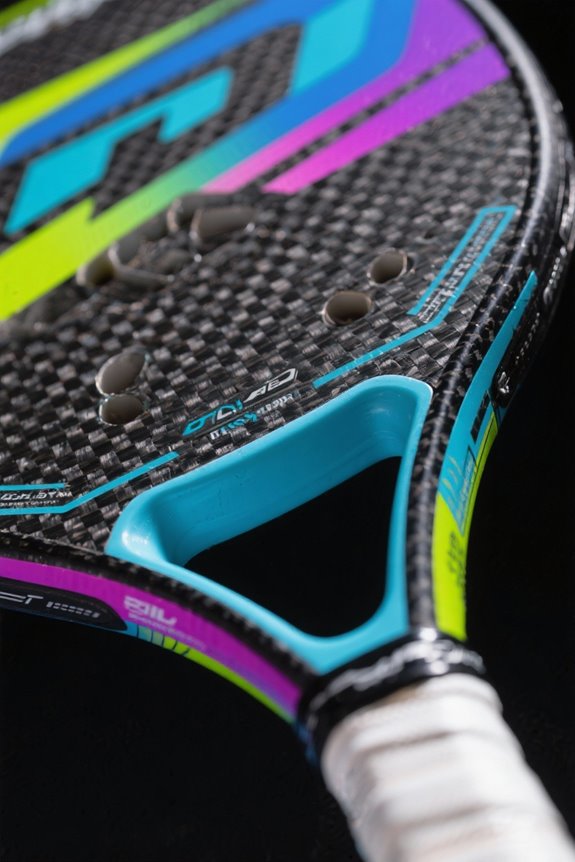
The durability of a pickleball paddle is greatly influenced by its material and design. Material composition plays an essential role; for instance, carbon fiber paddles offer superior stiffness and moisture resistance, enhancing longevity. Fiberglass provides a tough surface, balancing durability with control. Composite paddles, combining various materials, are excellent for power and spin while maintaining a lightweight feel. The paddle’s core is equally important; honeycomb structures are common for their lightness and impact absorption. Design features like edge guards protect against hits that could compromise structural integrity. Additionally, proper bonding between the core and face prevents delamination, maximizing paddle life. Advanced materials like T700 carbon fiber are increasingly used in professional-grade paddles to maximize both energy transfer and long-term durability. Overall, selecting the right materials and thoughtful design appreciably impacts durability and performance.
Recommended Products

Durable Aramid Weave Surface - This professional pickleball paddle's special Aramid weave surface offers exceptional strength and longevity, ensuring optimal performance and precision on the court.

Midweight Range: 7.7 – 8.1 oz. | Grip Circumference: 4 1/4" | Grip: Selkirk Geo Grip | Handle Length: 4 3/8" | Paddle Length: 15 3/4" | Paddle Width: 8"

Triple Layer Carbon Fiber Construction - The innovative triple layer carbon fiber design ensures durability and strength for a powerful and consistent performance on the pickleball court.
Frequently Asked Questions
How Can I Tell if My Paddle Is Right for My Playing Style?
To determine paddle suitability, players should assess paddle features in relation to their playing styles. A paddle can either be a thunderous cannon or a delicate brush; the key lies in matching attributes to personal strengths and preferences.
What Brands Are Known for Producing Durable Pickleball Paddles?
Brands renowned for their durable pickleball paddles include Selkirk, known for its exceptional durability, and Paddletek, recognized for consistent quality. Both brands offer products highly regarded by players for long-lasting performance in competitive environments.
Can Weather Conditions Affect My Paddle’s Performance?
Weather conditions considerably affect paddle performance; frigid air stiffens paddles, while summer heat softens materials. Humidity’s damp grip absorbs moisture, making paddles slippery, diminishing control, and altering gameplay dynamics with each changing breeze and shifting cloud.
Is It Safe to Use a Damaged Paddle Temporarily?
Using a damaged paddle temporarily may be feasible, but risks to paddle integrity exist. Minor issues can permit short play, though players should monitor for progression and discontinue use if structural integrity is uncertain.
How Do I Choose a Protective Case for My Paddle?
Choosing a protective case for a paddle often feels like a quest for treasure. Prioritize snug fit and materials like neoprene or polyester, while seeking features like impact resistance and edge protection to safeguard against wear and tear.