As an Amazon Associate, we earn from qualifying purchases. Some links on this site are affiliate links at no extra cost to you. Our recommendations are based on thorough research and editorial judgment.

Adapting Your Tennis Game to Clay Courts

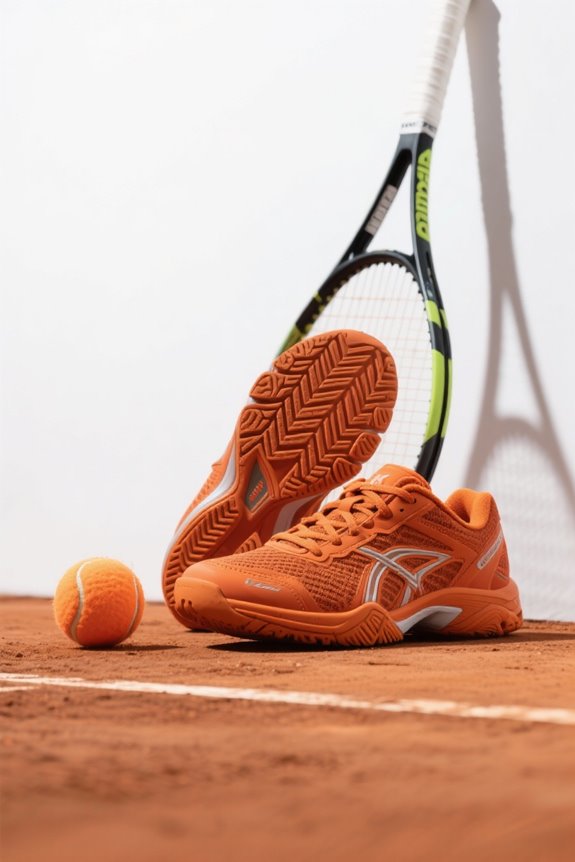
Professional studio photograph showcasing essential clay court tennis equipment against pristine white backdrop. Featured items include specialized clay court tennis shoes with distinctive herringbone tread pattern, premium orange clay court tennis balls, and a professional-grade racquet optimized for topspin play. The composition highlights the unique texture and color characteristics of clay court gear, with vibrant terracotta and orange hues contrasting beautifully against the clean background. Studio lighting creates subtle shadows that emphasize the equipment’s premium quality and craftsmanship, perfect for high-end sports catalogs and e-commerce platforms.
# Adapting Your Tennis Game to Clay Courts
To adapt your tennis game for clay courts, focus on improving footwork and balance, as sliding is essential for managing high bounces. Prioritize topspin shots and varied shot placement to maintain rallies, aiming for 70-80% of points to end in the first five strokes. Conditioning should include 30-60 minutes of aerobic and anaerobic exercises weekly. Mental strategies, like visualization and deep breathing, will help maintain focus during long exchanges. Discover more insights for success on clay courts.
Key Takeaways
- Adjust your positioning by starting behind the baseline to effectively manage higher bounces and ensure better shot execution on clay courts.
- Focus on developing patience and strategic point construction due to the slower pace, which encourages longer rallies.
- Utilize topspin shots to take advantage of the consistent high bounce, minimizing errors while exploiting opponent weaknesses.
- Incorporate agility drills to enhance footwork and manage sliding techniques, reducing injury risks during intense exchanges on clay.
- Practice mental resilience techniques like deep breathing and visualization to maintain focus during lengthy rallies and manage stress effectively.
Understanding Clay Court Characteristics
Clay courts are a unique challenge for tennis players. These courts come in various types, including traditional red clay, green clay, and black clay. Each has distinct characteristics affecting gameplay. Red clay, known as terra battue, offers a soft and loose surface while green clay provides a slightly faster pace. Black clay, though rare, features a velvety touch and excellent moisture retention. Players must adapt their strategies due to slower surface pace; balls bounce higher and more predictably compared to grass or hard courts. This encourages longer rallies and enhances spin effects. The maintenance required for these courts is rigorous, impacting playability. Proper care preserves the surface, ensuring an enjoyable experience for players. When selecting tennis balls for clay courts, avoid extra duty balls as they are specifically designed for hard court surfaces and may not perform optimally on clay.
Recommended Products

【SPECIFICATION】Diameter: 2.58 Inches; Bounce Height: About 135cm.

Ultimate Convenience: Comes in a case of 24 cans (72 balls total) for extended play without interruption

Features Dunlop logo.
Physical Demands of Clay Court Tennis
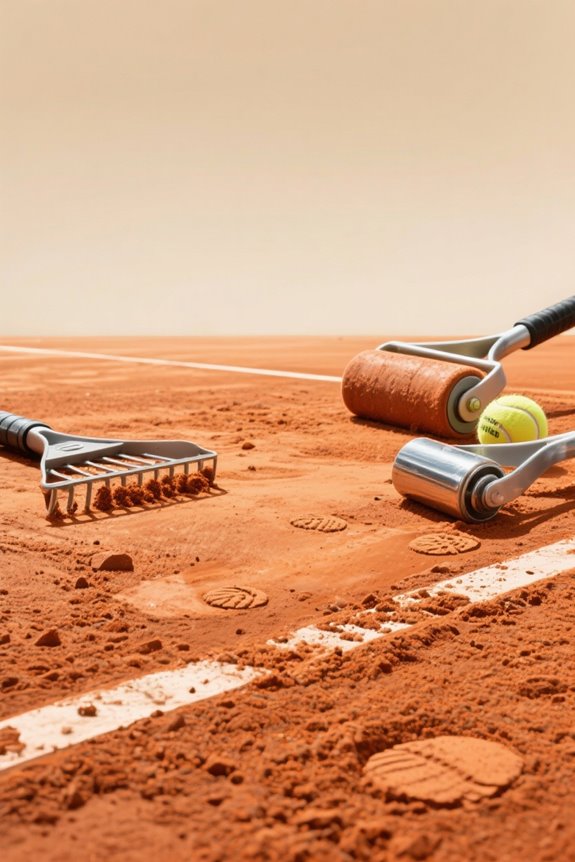
Tennis on clay courts requires unique physical adaptations from players. The physical strain on clay is heightened due to longer rallies and slower ball speeds, leading to increased heart rates and energy expenditure. Players often cover greater distances, engaging in more high-intensity activities, which can enhance their cardiovascular demand. Lactate production rises, reflecting the increased anaerobic contributions necessary for extended efforts on this surface. Although the perceived exertion may feel lower, the reality is that clay demands greater muscular endurance. The frequent accelerations and changes of direction elevate body load, ultimately impacting performance. Players must adapt their strategies to achieve maximum energy efficiency, allowing them to thrive under these challenging conditions. Proper footwear with advanced cushioning technologies can help reduce joint impact during these intense physical demands, supporting players through extended matches on clay.
Importance of Training on Clay
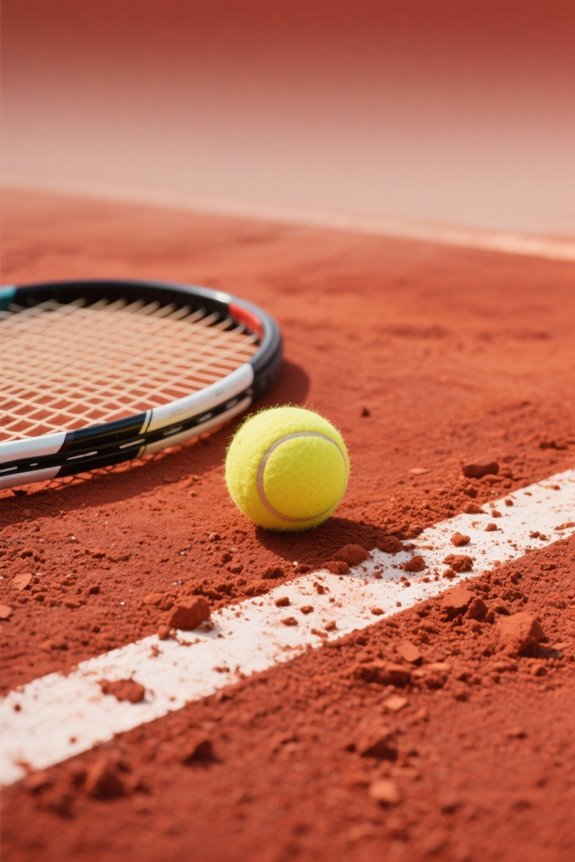
Training on clay courts is essential for developing the skills needed to excel in the unique demands of this surface. The softer material reduces impact, promoting joint health while allowing players to slide effectively into shots. This reduces the risk of injuries and increases overall longevity in the sport. Players notice the importance of technique as they adapt their footwork, emphasizing balance and coordination. Additionally, the slower pace of play brings clear benefits of patience, requiring you to construct points thoughtfully rather than relying solely on power. By mastering shot variety and ball control on clay, you enhance your ability to read opponents and exploit weaknesses, ultimately leading to improved performance and strategic play in matches. To maximize your training effectiveness and protect your joints during extended clay court sessions, invest in shoes with advanced cushioning technology that can withstand the sliding movements and prolonged rallies characteristic of this surface.
Recommended Products
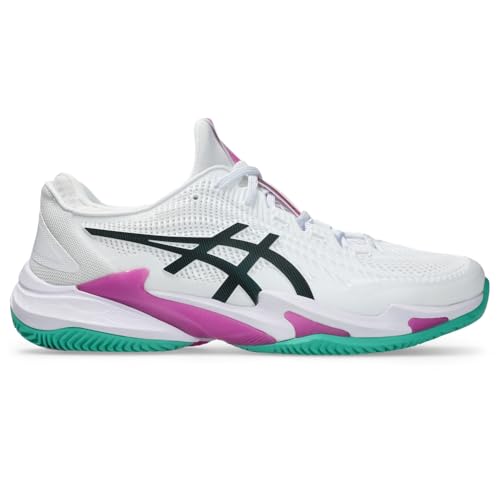
Advanced technology for superior cushioning and optimal energy return.

Clay sole for red clay

GEL technology for excellent cushioning and superior comfort.
Key Strategies for Successful Rally Play
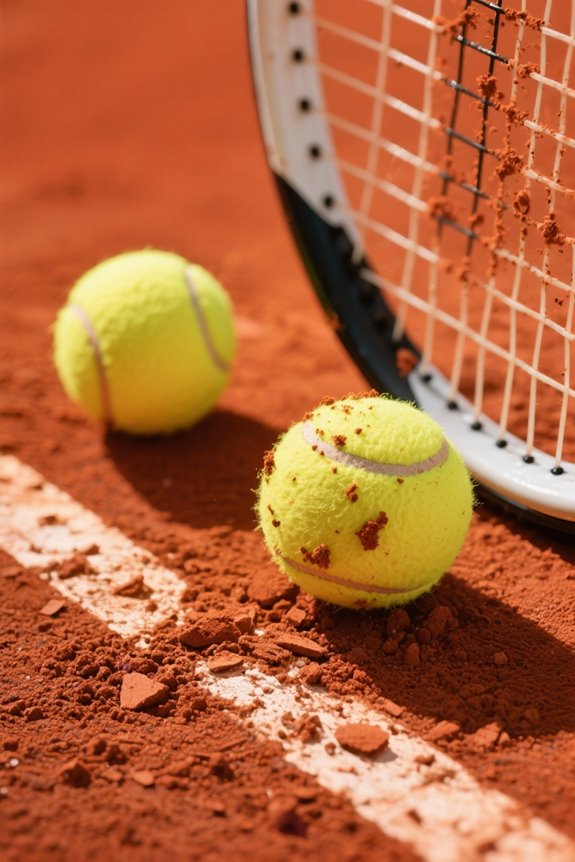
Successful rally play on clay courts hinges on understanding the unique dynamics of this surface. Players should adjust their positioning, starting a couple of meters behind the baseline to manage higher bounces. Mastering sliding techniques enhances court coverage while maintaining balance. During rallies, emphasizing shot variation is fundamental; deep shots can push opponents back, while drop shots exploit their positioning. Building a consistent rally rhythm is essential; players should prioritize patience and ball control over aggressive winners. Endurance plays an important role, as rallies on clay can be longer. By combining thoughtful shot selection and physical conditioning, players can create opportunities for decisive shots, all while adapting to the specific demands of clay court play. Equally important is wearing shoes with proper traction and stability, as these features directly impact your ability to execute lateral movements and maintain control during extended rallies on clay surfaces.
Recommended Products

Engineered for the game-changers, the Wilson Intrigue Tour brings serious style and next-level performance. The ultra-light UltraShield Single Layer Engineered Mesh Upper offers breathable comfort and modern appeal, while the FootFrame Dynamic Suppor

Men's tennis shoes made for clay court play
Men's tennis shoes made for clay court play
The Role of Topspin on Clay Courts

Harnessing topspin on clay courts can greatly elevate a player’s performance and tactical options. This technique relies on topspin mechanics that create a forward, downward rotation, resulting in sharper dips and deeper bounces. As the ball digs into the softer surface, it amplifies this effect, leading to greater shot accuracy. With spin rates reaching around 3000 to 3500 RPM, players can utilize the Magnus effect for strategic placement and reliable depth. The higher bounce invites longer rallies, allowing players to pull opponents wide and control the game rhythm. Additionally, topspin provides margin for error by facilitating higher net clearance, essential for success on clay. Adapting these tactical applications can greatly enhance match play. Just as proper footwear with lightweight construction enhances agility and reduces foot fatigue during extended matches, selecting the right gear supports optimal performance throughout long clay court rallies.
Mastering Footwork and Sliding Techniques
Mastery of footwork and sliding techniques greatly enhances performance on clay courts. Players must adopt a low, wide stance to maintain balance during unpredictable bounces. Practicing specific footwork drills, such as split-step timing exercises, prepares athletes for rapid movements. Effective sliding techniques allow players to reach wide shots while preserving momentum, enhancing court coverage. Engaging core leg muscles like quadriceps and hamstrings is essential for stability and recovery. Players should focus on agility drills, including cone and ladder workouts, to improve lateral movement. Repeated exposure to clay through structured training builds muscle memory, making sliding feel more natural. Selecting tennis shoes with excellent cushioning and durable materials helps reduce foot fatigue during extended clay court matches. Overall, mastering these skills transforms a player’s ability to navigate the unique challenges of clay surfaces.
Recommended Products
Men's tennis shoes made for clay court play

FLYTEFOAM Technology

Update: further development of the bestseller Express 2 Clay.
Building Mental Endurance for Long Matches
While mastering technical skills is essential in tennis, building mental endurance is equally important, especially on clay courts. Matches on clay often extend beyond 1.5 hours due to longer rallies, demanding sustained focus. To excel, players can employ mental visualization techniques, picturing successful shots and strategies. Managing stress through deep breathing and positive self-talk is essential during intense moments. The physical strain of clay can lead to fatigue, impacting accuracy and decision-making. Therefore, prioritizing recovery between points becomes vital. Incorporating interval training in practice sessions helps simulate match conditions, enhancing mental resilience. Just as pickleball players benefit from high visibility equipment to track the ball effectively during extended play, tennis players on clay courts need sharp visual focus to maintain concentration through lengthy rallies. Ultimately, developing mental endurance not only boosts performance but also cultivates a stronger, more focused player capable of thriving in challenging situations on the court.
Effective Conditioning Programs for Clay
To excel on clay courts, an effective conditioning program is vital. Conditioning principles focusing on aerobic and anaerobic endurance are key. Players should engage in extensive training for 30-60 minutes weekly to enhance fat metabolism and aerobic capacity. Since clay matches often feature longer rallies, running is favored to develop specific endurance mimicking tennis movement. Strengthening lower body muscles, like glutes and quadriceps, will improve stability for explosive movements. Agility drills utilizing cones will sharpen footwork skills, maximizing your ability to adjust to high bounces. Training periodization guarantees these elements are maintained even during tournament phases, focusing on functional movements that reflect clay dynamics. Consistent cardiovascular workouts are essential for those prolonged, intense points characteristic of this surface. Given the demanding lateral movements required on clay, investing in shoes with TRUSSTIC technology can provide the midsole support and stability needed during extended training sessions and matches.
Recommended Products

GEL technology for excellent cushioning. Specific outsole for clay courts, for optimal traction. Lightweight construction for greater agility on the pitch.
Analyzing Shot Selection and Efficiency
In the domain of clay court tennis, shot selection and efficiency play an essential role in determining match outcomes. Players must prioritize topspin shots, which utilize the surface’s higher bounce to push opponents back. Effective shot placement, especially with drop shots and deep angles, can exploit the slower court speed, leading to error minimization. Statistics show that 70-80% of points end within the first five strokes, highlighting the significance of early shot effectiveness. Longer rallies demand consistency and endurance; maintaining a lower error rate becomes vital. Just as tennis ball performance varies by surface type, with hard court balls requiring extra duty construction, clay court players must select equipment optimized for their playing environment to maximize consistent bounce characteristics. By focusing on adapting strategies to the unique characteristics of clay, players can enhance their game and improve overall performance on this challenging surface.
Adapting Tactics for Different Opponents
Adapting tactics to counteract different opponents on clay courts is essential for building a strong game strategy. Players must perform thorough opponent analysis, focusing on movement patterns and shot preferences. For example, exploiting an opponent’s slower recovery by utilizing heavy topspin shots can effectively keep them defensive. Tactical adjustments, such as targeting opponents out of position with angled shots, create difficult scenarios leading to forced errors. Players can also mix shot types—combining deep drives with unexpected drop shots can unbalance opponents and open the court. Patience is key; maintaining a variety of spins and shot depths disrupts opponents’ rhythm, assisting in crafting opportunities for quick winners. Using quality shock absorbers can help reduce wrist and elbow pain during extended clay court matches, allowing players to maintain consistency in their tactical execution. This thoughtful approach can elevate overall performance on clay surfaces.
Importance of Baseline Control
Mastering baseline control on clay courts is essential for achieving success in competitive play. The ability to maintain proper baseline positioning influences the outcome of rallies. Statistics show that winning short rallies, particularly in the 0-4 shot range, predicts match success on this surface. With the increased physical demand of clay, players must develop rally endurance to sustain longer exchanges. Effective topspin strokes increase consistency and push opponents back, critical elements in constructing points. To thrive, athletes must exhibit exceptional tactical awareness and patience, strategically using angles and drop shots. Maintaining focus through extended rallies supports a player’s ability to exploit errors, reinforcing the idea that effective baseline control is foundational in clay court success.
Managing Emotions During Matches on Clay
How can players effectively manage their emotions during the demanding matches on clay courts? Emotional regulation is essential, given the physiological strain of longer rallies, which average about 114 points per match. To enhance pressure coping, players should practice controlled breathing techniques to calm heightened arousal. Positive self-talk counters negativity, keeping focus sharp during stressful moments. Establish routines before each point to create a sense of control amidst the extended exchanges. Embracing the slower pace and inherent challenges can foster patience, reducing frustration. Players demonstrating emotional resilience often hit more winners, with averages around 18 per match, directly impacting their success. Ultimately, mastering these strategies helps maintain composure and elevates overall performance on the clay surface.
Frequently Asked Questions
How Does Playing on Clay Affect My Serve Game?
Playing on clay affects serve strategy, emphasizing spin variations over power. The court’s slower pace requires players to adapt by using heavier topspin and precise placement, challenging their timing and balance during the serving motion.
What Footwear Is Best for Clay Courts?
When it comes to clay courts, finding the right footwear is vital. Shoes with superior traction guarantee court durability, providing stability essential for sliding and quick movements, ultimately making a significant difference in performance.
How Can I Improve My Sliding Technique?
To improve sliding technique, one should practice sliding drills and incorporate balance exercises. Focusing on core engagement and maintaining a low center of gravity enhances stability and control during slides, essential for effective movement.
What Are Common Injuries on Clay Courts?
Common injuries on clay courts include ankle sprains and knee tendinitis. The slippery surface exacerbates these injuries, as sudden movements and extended rallies increase the risk of strain and overuse in players unfamiliar with the terrain.
How Does Weather Impact Clay Court Play?
Weather considerably impacts clay court play; 30% of professional matches face rain delays. Humidity effects further complicate conditions, affecting ball behavior and player performance, altering strategies and pacing during play under variable environmental influences.