As an Amazon Associate, we earn from qualifying purchases. Some links on this site are affiliate links at no extra cost to you. Our recommendations are based on thorough research and editorial judgment.

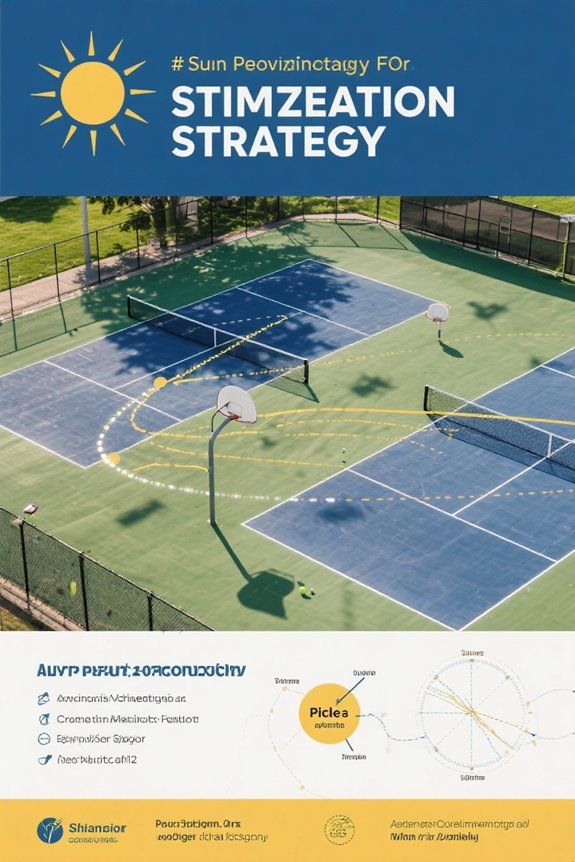
Sun Position Strategy for Outdoor Courts

Optimize your outdoor court performance with strategic sun positioning awareness. This comprehensive guide demonstrates how to analyze sunlight angles throughout the day for tennis, basketball, and pickleball courts. Features detailed shadow mapping techniques, optimal playing time identification, and court orientation recommendations. Includes visual diagrams showing sun trajectory patterns, glare management solutions, and seasonal variation considerations. Essential for court designers, facility managers, and serious outdoor athletes seeking competitive advantages. Maximize visibility, reduce eye strain, and schedule matches during ideal lighting conditions for peak performance and player safety.
# Sun Position Strategy for Outdoor Courts
To optimize outdoor courts, prioritize a north-south orientation. This layout minimizes sun glare and enhances visibility during play, especially in the morning and late afternoon. Avoid east-west setups, as they lead to significant glare issues. Consider sun angles when scheduling games, and use materials like rubber for comfort and performance. Incorporate shade structures for UV protection and player comfort. For further insight on court design and safety measures, continue exploring additional strategies.
Key Takeaways
- Align outdoor courts along a north-south axis to minimize sun glare and optimize player visibility during peak playing times.
- Assess local solar patterns to slightly adjust court orientation, enhancing safety and performance in varying geographic locations.
- Schedule games during ideal sun angle times, typically mid-morning or late afternoon, to reduce glare and enhance shot accuracy.
- Utilize polarized sunglasses, visors, or temporary shades to mitigate sun exposure and improve player comfort during matches.
- Implement effective drainage systems and maintain a buffer zone around the court to enhance safety and usability under varying weather conditions.
Importance of Court Orientation
When considering the layout of outdoor courts, understanding the importance of court orientation is essential for player performance and spectator enjoyment. Poorly positioned courts can lead to significant issues with sun glare, which impacts player visibility during key moments. The right orientation enhances court functionality by reducing shadows and minimizing distractions caused by sunlight, especially in the morning or late afternoon. Ideal sun alignment, ideally between 325° and 25° in the Northern Hemisphere, can greatly improve visual comfort both for players and spectators. Additionally, this thoughtful placement helps maintain surface performance by reducing heat and moisture issues. Consequently, proper orientation not only supports fair play but also elevates the overall experience for everyone involved. Just as environmental factors like temperature and moisture can affect net height stability, sun exposure and heat can impact court surface conditions and player comfort throughout the day.
Preferred North-South Orientation
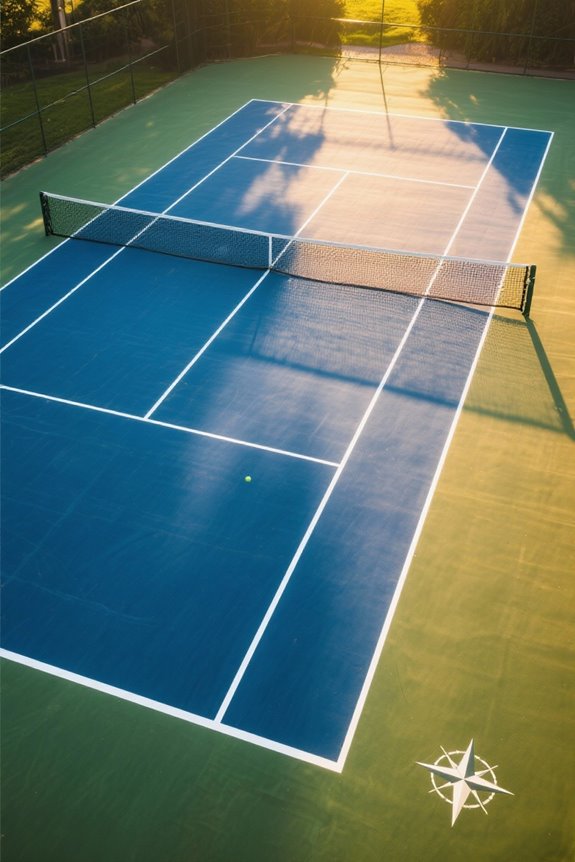
Maximizing player performance begins with understanding the advantages of a north-south court orientation. This alignment places the court axis perpendicular to the sun’s east-west path, greatly contributing to glare reduction. Players benefit as the sun is positioned to the sides during essential playing times, minimizing direct glare on serves and fast-paced movements. Organizations like the American Sports Builders Association (ASBA) and FIBA strongly endorse this orientation, highlighting its importance in outdoor basketball and tennis courts. Additionally, even slight adjustments can accommodate local solar patterns without sacrificing the primary alignment. Ultimately, a properly oriented court maximizes safety and performance while extending usable playing hours, allowing for more consistent and enjoyable gameplay throughout the day. Just as pickleball players rely on advanced spin technology to enhance shot dynamics and improve accuracy during fast exchanges, court orientation plays a crucial role in optimizing visual conditions for peak athletic performance.
Recommended Products

Built for Active Men Women– From Office to Outdoors - Perfect for modern men who switch between screens, sunshine, and speed. Ideal for work, daily commute, running, cycling, and urban fitness routines.
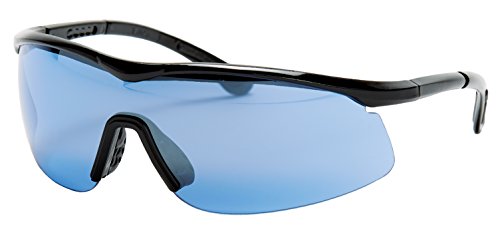
See Better while playing Tennis, Pickleball, Golf, or Baseball with the help of the innovative Blue Tint lens that filters out grass, foliage, background fences, and sun
Challenges of East-West Orientation
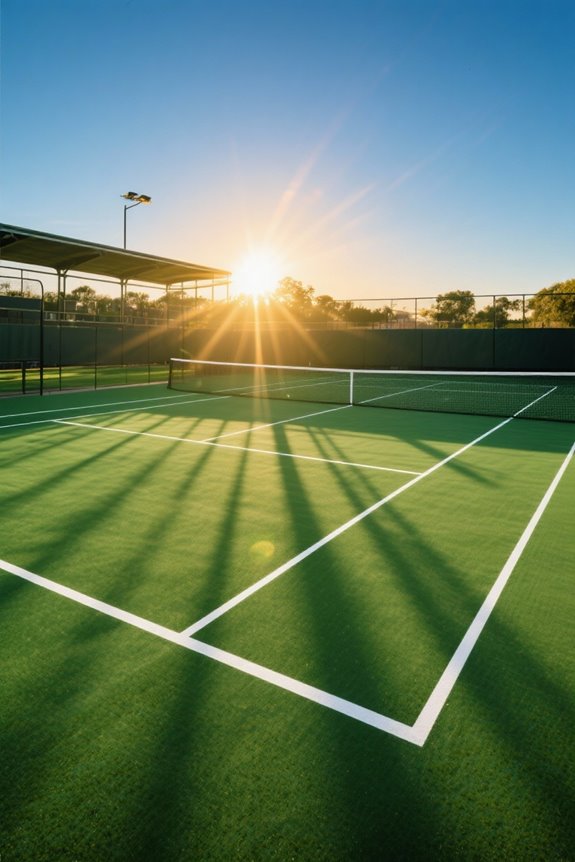
While east-west orientation may seem convenient for some court designs, it introduces significant challenges that can hinder player performance and enjoyment. Direct sun glare in the morning and evening compromises visibility, affecting vital actions such as serving. This uneven player experience leads to fairness issues, with some players blinded by the sun. In addition, rapid shadow changes from surrounding structures can obscure court lines, making ball tracking difficult. Increased eye strain and discomfort diminish overall playing comfort and safety, while heightened maintenance demands add additional operational challenges. While land constraints often dictate court layout, constructing east-west courts may sacrifice player experience for quantity, locking clubs into a design that can diminish satisfaction and usability across the board. Players struggling with visibility issues may benefit from ensuring their equipment minimizes additional strain, such as selecting strings with tension maintenance features that provide consistent performance even during challenging lighting conditions.
Recommended Products

UPF 50+ UV Protection – Block 99.9% of Harmful Sunlight Protect your face from intense UV rays with a patented full-cover visor design.

MENS VISOR SUN HAT — Perfect for a wide range of outdoor activities, this versatile athletic visor is your go-to accessory for running, golfing, or simply relaxing by the beach. The lightweight design makes this sun hat visor ideal for activities like tennis and pickleball, ensuring you are protected from the sun. Enjoy both functionality and style wherever you go with these sun visor hats for men.

Polarized Lens – Clear Vision, Less Glare Enjoy sharp contrast and vibrant colors. The lens is polarized to reduce glare from water, pavement, and other reflective surfaces, helping you see more clearly in bright light.
Impacts of Sun Angles on Playability
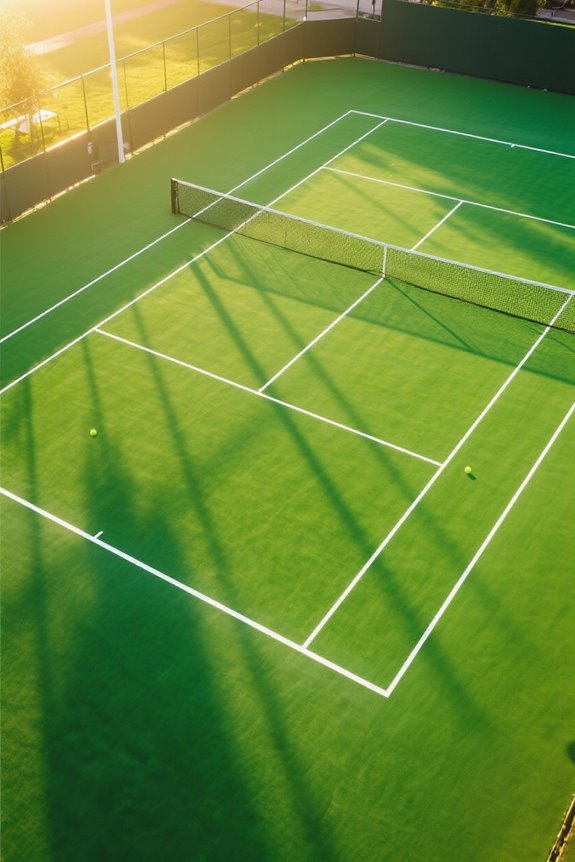
Sun angles frequently influence playability on outdoor courts, impacting both visibility and player performance. Low angles in the mornings and late afternoons create long shadows, which can obstruct your vision and hinder effective ball tracking. Conversely, high midday angles typically lessen direct glare but increase overall brightness, leading to quicker fatigue. Effective shadow management and glare reduction strategies are essential for enhancing player experience. Adaptive court orientations and materials can mitigate visual distractions, while consistent sunlight help improve shot accuracy. Furthermore, mindful scheduling of playtime during ideal angles, along with implementing cooling strategies, can enhance performance. Just as tension maintenance enhances string performance in tennis equipment, regular adjustments to your court positioning and visual strategies can significantly improve your gameplay under varying sun conditions. Understanding these dynamics fosters an environment where players can excel, ensuring enjoyable and competitive matches throughout the day.
Environmental Considerations for Court Placement
Outdoor court placement requires careful consideration of various environmental factors to optimize performance and longevity. Utilizing eco-friendly materials, such as recycled plastics and sustainable wood, greatly reduces landfill waste and supports ecosystem health. Incorporating a solid drainage system is essential; it prevents water accumulation by channeling rainwater effectively, extending the court’s lifespan. Furthermore, integrating native landscaping can stabilize soil and reduce maintenance needs, promoting local biodiversity. This approach not only enhances visual appeal but also creates natural shade, contributing to player comfort. Evaluating terrain and selecting appropriate locations minimizes environmental disruption, ensuring a sustainable design. Such thoughtful strategies lead to courts that are practical, enduring, and environmentally responsible, ultimately benefiting players and the surrounding ecosystem. Additionally, serious players should consider storage solutions near courts, with modern tennis bags offering thermal protection technology that shields racquets from temperature fluctuations caused by direct sun exposure.
Effective Site Selection and Layout
Selecting an effective site for outdoor courts is essential for ensuring ideal performance and player satisfaction. Conducting thorough site assessments and terrain analysis helps identify suitable locations. Ideal sites feature flat surfaces to promote proper drainage, preventing water pooling and ensuring player safety. Careful consideration of slope management and grading may be necessary in uneven areas. Additionally, accessibility must be prioritized, with the court located close to main property areas for ease of use. Balancing visibility and privacy is vital, especially for safety when children are present. Finally, ample sunlight exposure enhances playing conditions, necessitating careful analysis of shade impacts from surrounding trees. Proper court orientation also ensures players maintain stability during lateral movements, which is critical for competitive play. A well-planned site selection lays the foundation for a successful court that delivers excellent performance.
Spacing Requirements for Multi-Court Installations
Adequate spacing between multi-court installations is vital for enhancing player safety and overall enjoyment. A recommended minimum of 10 feet between courts considerably reduces the risk of interference and guarantees safe play. For facilities expecting high traffic, an ideal spacing of 12 to 15 feet is preferred. This allows for comfortable maneuvering and smoother player movement. Additionally, court dimensions and materials play an important role in facility layout—guaranteeing walkways for access and equipment storage. Proper spacing contributes not only to player safety but also creates room for seating and spectator viewing areas. Players should also consider allocating space for equipment storage areas where tennis bags holding multiple racquets and gear can be conveniently accessed between matches. By prioritizing these requirements, multi-court installations can be optimized for maximum functionality, enhancing the overall experience for players and spectators alike.
Factors Influencing Surface Materials
Choosing the right surface material for outdoor courts involves several essential factors that can greatly affect player experience and safety. Surface heat plays a critical role, as materials like asphalt can absorb heat, leading to discomfort. For injury prevention, rubber surfaces excel in shock absorption, reducing stress on joints compared to harder options like asphalt or concrete. Maintenance costs also vary; rubber requires minimal upkeep, while asphalt needs resealing to avoid cracks. Environmental impact should be considered as well; rubber is often recycled but has higher initial costs. Finally, material durability contributes to longevity; concrete outlasts asphalt under heavy use. Striking a balance between these factors guarantees players enjoy comfort and safety on the court. Additionally, players experiencing heel discomfort should prioritize surfaces with adequate cushioning and arch support to minimize strain during extended play sessions.
Recommended Products
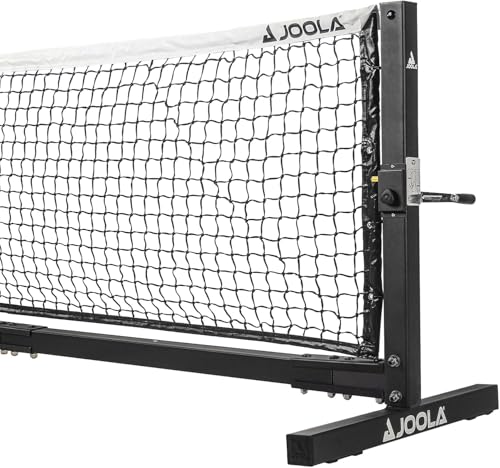
OFFICIAL PADDLE SPONSOR OF WORLD #1 PICKLEBALL PLAYER BEN JOHNS & THE PPA TOUR: An innovator & global leader in table tennis for 70+ years, JOOLA teams up with Ben Johns to create a new line of pickleball equipment that will forever change the game

【PRO-STYLE LOOK AND PERFORMANCE】Experience gymnasium-style performance with our premier in-ground basketball goal. Designed for those who demand professional quality, it features a tempered glass backboard and a standard 18 Inch dual spring breakaway rim, perfect for slam dunks. Elevate your game with our reliable after-sales service; contact us for any issues. Ideal for any outdoor basketball hoop setup.

HEAVY-DUTY STEEL TANK – The FORZA Line Marker features a robust welded steel tank with a durable yellow powder coat finish, ensuring long-lasting performance. Perfect for frequent use, it stands up to the elements while keeping paint well-protected.
Drainage and Slope Design Considerations
When designing outdoor courts, effective drainage and slope considerations are essential for guaranteeing long-term usability and player safety. Proper drainage importance cannot be overstated. Analyzing the site’s topography helps identify efficient off-site and on-site drainage patterns. Implementing a minimum slope of 1% guarantees water flows away from the court, reducing damage risks. Consistent grading eliminates low areas where water could accumulate. Additionally, using materials like crushed stone and gravel enhances drainage by promoting water flow through the sub-base. Perimeter drains are beneficial in clay soil to prevent pooling. Once the court surface is properly prepared and dried, applying weather-resistant court tape ensures clear line markings that can withstand outdoor conditions and moisture exposure. Ultimately, attention to drainage and slope stability not only preserves the court’s functionality but also creates a safer environment for players.
Sun Glare Mitigation Techniques
Sun glare can greatly affect player performance on outdoor courts, making effective mitigation techniques vital. One notable approach is to align courts along a north-south axis, which markedly reduces glare effects during peak sun hours. For those situated in lower latitudes, slightly tilting the court can further improve visibility enhancement. Utilizing polarized sunglasses not only cuts down on court surface reflections but also protects against harmful UV rays. Adding visors or caps provides an extra layer of comfort for players. Lightweight visors with UPF50+ protection offer superior shielding against harmful UV rays while maintaining breathability during intense play. In addition, temporary court shades can block direct sunlight during critical match times, promoting focus. Finally, conducting a site-specific solar path analysis guarantees ideal court placement, enhancing both player experience and overall engagement during matches.
Recommended Products
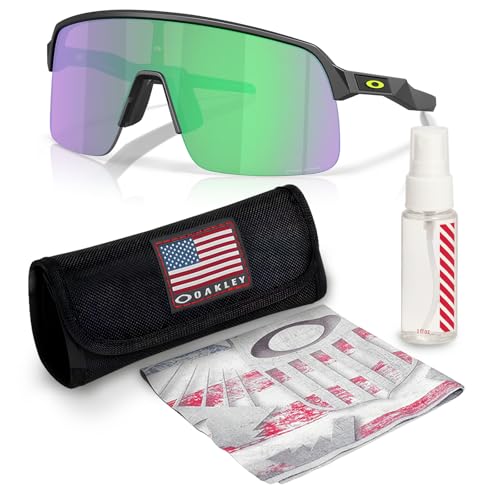
Stylish Meets Performance: Engineered for those who demand both style and function, Oakley sunglasses deliver cutting-edge design and advanced optics for any environment. Whether you're pushing limits under the sun or enjoying a laid-back day outdoors, these shades offer the perfect fusion of sporty aesthetics and all-day performance — all wrapped in a sleek Matte Black frame with striking Prizm Road Jade lenses.

Active light control adapts before conditions change for safer speed.

About the Unstoppable: Specifically designed for active women, these semi-rimless sunglasses in a Raspberry Spritzer frame offer a sleek, lightweight design. Made from stress-resistant O Matter, the Unstoppable model combines durability with all-day comfort, perfect for running, cycling, hiking, or everyday adventures. Color code: 919103
Incorporating Shade Structures
Implementing shade structures on outdoor courts can greatly enhance player performance and spectator enjoyment. These structures provide important shade benefits, greatly reducing exposure to harmful UV rays and lowering ambient temperatures. This creates a more comfortable environment that minimizes heat-related fatigue for both players and spectators. Additionally, shade structures extend court usability during peak sun hours, making it possible to host more events and increase attendance. With customizable design aesthetics, these systems can blend seamlessly into the existing landscape, enhancing visual appeal. High-quality materials like HDPE and steel guarantee durability against weather extremes, while ease of maintenance supports long-term use. Ultimately, shade structures contribute to a more enjoyable and versatile outdoor court experience.
Recommended Products

Premium Materials: The galvanized steel roof and upgraded aluminum frame with a 5-year fade-resistant powder coating resist rust, UV rays, heavy winds, and snow, ensuring the hardtop gazebo's durability and providing all-weather protection.

Wind-Resistant Protection: Pro-Tect tested and proven to withstand up to 100 mph winds*

Quality Material: Crafted from 150 GSM 100% New (Non-recycled) HDPE material. The fabric has been treated with a UV-stabilized compound, preventing the fence screen from drying out, tearing, and fading, thereby significantly extending its lifespan
Safety Measures for Court Design
Safety in court design is paramount to guaranteeing a secure and enjoyable experience for players and spectators. Adhering to safety regulations, the selection of durable, non-toxic materials is vital for injury prevention. Outdoor courts should feature a buffer zone of at least 10 feet around the playing area to minimize collision risks. The right surface balance of traction and smoothness is essential; synthetic turf can provide cushioning that greatly reduces abrasions. Effective drainage systems help avoid water accumulation, important in various weather conditions. Additionally, adequate lighting secures visibility during low-light situations. Careful attention to fencing height and padding around support structures can also protect players and bystanders alike, creating a safe environment for everyone involved.
Enhancing Player Comfort and Accessibility
Enhancing player comfort on outdoor courts plays an essential role in creating an enjoyable experience. Proper court orientation can greatly reduce sun glare, guaranteeing visibility and promoting player hydration. Coupled with shade structures, this design aspect allows for necessary comfort breaks during intense matches. Additionally, well-placed lighting systems improve accessibility for nighttime play. Players benefit from uniform lighting, reducing eye strain and enhancing focus. Moreover, incorporating ramps and quality court surfaces contributes to a safe, inviting environment for all skill levels. Overall, prioritizing player comfort and accessibility guarantees an inclusive space, fostering a richer sporting experience while also addressing the varied demands of seasonal weather changes.
Frequently Asked Questions
What Are the Best Times for Scheduling Outdoor Court Play?
Research indicates early morning play reduces sun glare by up to 60%. Scheduling outdoor court activities during cooler early mornings or late evenings avoids peak hours, accommodating seasonal variations while enhancing comfort and game quality for players.
How Can I Minimize Glare for Spectators During Games?
To minimize glare for spectators during games, employing shielded lighting fixtures, optimizing fixture placement, and utilizing anti-glare features can greatly enhance spectator comfort while ensuring effective glare reduction, creating an enjoyable viewing experience.
What Plants Are Ideal for Landscaping Around Outdoor Courts?
For landscaping around outdoor courts, native plants like flowering shrubs and low-maintenance options such as ornamental grasses provide beauty and functionality. They enhance aesthetics while requiring less care amidst active play, promoting a vibrant environment.
How Does Weather Impact Court Maintenance Requirements?
Weather substantially impacts court maintenance requirements, as prolonged rain can cause rain damage and humidity effects foster mold growth. Regular inspections, drainage management, and surface cleaning are essential to preserve court integrity throughout varying weather conditions.
Are There Specific Rules for Court Accessibility for Disabled Players?
Specific rules exist for court accessibility for disabled players, mandating court design to include essential accessibility features such as smooth surfaces, adequate pathways, integrated seating for wheelchairs, and compliant amenities to guarantee inclusive participation.