As an Amazon Associate, we earn from qualifying purchases. Some links on this site are affiliate links at no extra cost to you. Our recommendations are based on thorough research and editorial judgment.


Temperature Impact on Racquet Sports Performance

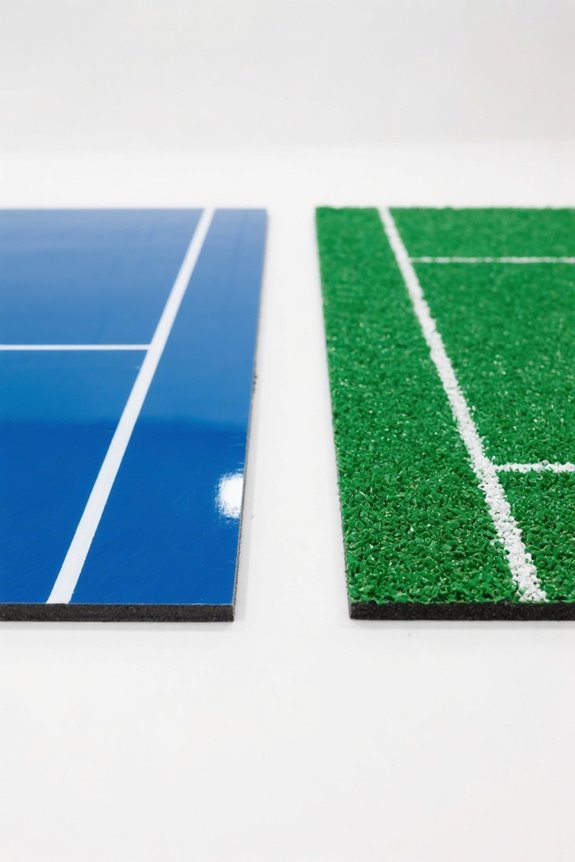
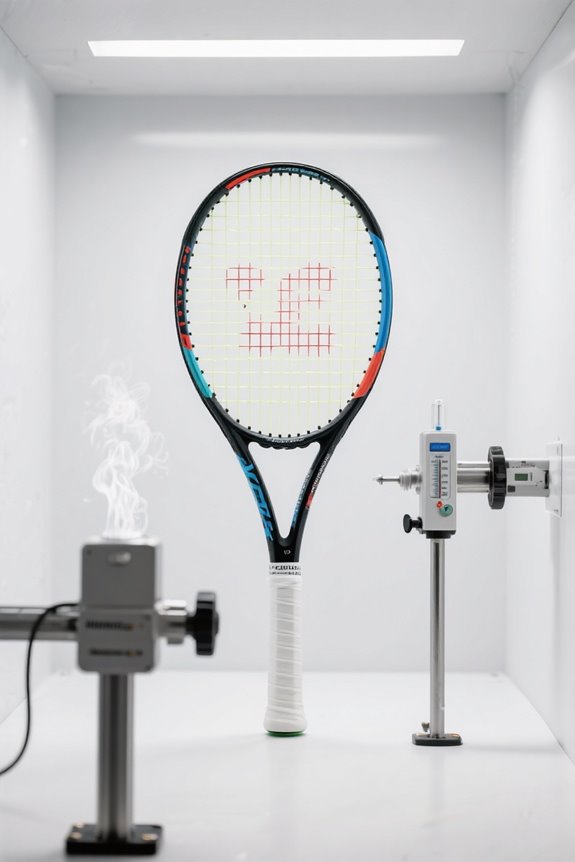
Premium racquet sports equipment displayed in pristine studio conditions showcases how temperature affects performance. High-grade tennis racquets, padel rackets, and squash equipment are meticulously arranged against a pure white backdrop with professional lighting highlighting their construction details. The composition emphasizes material quality and craftsmanship, illustrating how temperature variations influence string tension, frame flexibility, and ball responsiveness. Vibrant equipment colors pop against the minimalist setting, demonstrating the critical relationship between environmental conditions and optimal athletic performance in competitive racquet sports.
# Temperature Impact on Racquet Sports Performance
Temperature greatly influences racquet sports performance through various physiological responses. High heat raises heart rates and increases fatigue levels, affecting overall player efficiency. Humidity can hinder sweat evaporation, leading to dehydration and impaired thermoregulation. Additionally, ambient temperature impacts equipment dynamics, like tension loss in tennis strings. Successful performance often relies on effective hydration and cooling strategies. Understanding these elements can enhance your game, so let’s explore more about temperature adaptation and its effects on your performance.
Key Takeaways
- Elevated temperatures can increase heart rates and cardiovascular strain, negatively affecting racquet sports performance and fatigue levels.
- High heat and humidity impede sweat evaporation, worsening thermoregulation and leading to potential dehydration and performance decline.
- Pre-cooling techniques, such as ice water immersion, can significantly enhance endurance performance in racquet sports by lowering core temperature.
- Equipment like racquets may lose tension and performance quality in extreme heat, necessitating tailored string materials and tension adjustments for optimal performance.
- Acclimatization over 7 to 14 days improves heat tolerance and psychological resilience, enhancing competitive performance in higher temperatures.
Physiological Effects of Temperature on Athletes
Temperature can greatly influence athletic performance, particularly in racquet sports. Elevated body temperatures during exercise can lead to increased cardiovascular strain as heart rates rise and stroke volumes decrease. For athletes, this means a greater heart rate increase because they exert more effort to regulate their internal temperatures. Additionally, heat stress can elevate blood pressure, which adds another layer of strain. The metabolic rate can also rise by 8-19% under heat exposure, influencing energy expenditure. Significantly, acclimated athletes fare better under heat than those unaccustomed, suggesting that training plays a role in adaptation. As a result, understanding these physiological effects is essential for racquet sports athletes aiming to maintain peak performance in warmer conditions. Equipment choices such as racquet weight can further affect performance, as heavier frames between 10.5 to 12 ounces provide more control but may contribute to fatigue during play, especially under heat stress.
Thermoregulation Mechanisms in Racquet Sports

Maintaining ideal performance in racquet sports heavily relies on the body’s ability to regulate temperature during play. Effective thermoregulatory mechanisms, such as sweating, help manage exercise-induced heat generated during intense matches. When exercising, most of the energy converts into heat, necessitating swift dissipation to maintain performance. In hot conditions, sweat evaporation becomes essential, although high humidity can hinder this process. Hydration plays an important role; without proper fluid intake, thermoregulation worsens. External conditions, like radiative heat from the sun or warm courts, also affect temperature control. Incorporating cooling methods, lightweight clothing, and gradual acclimatization can enhance your body’s thermoregulatory responses, ultimately improving your performance in racquet sports, particularly during hotter days.
Impact of Temperature on Tennis String Dynamics
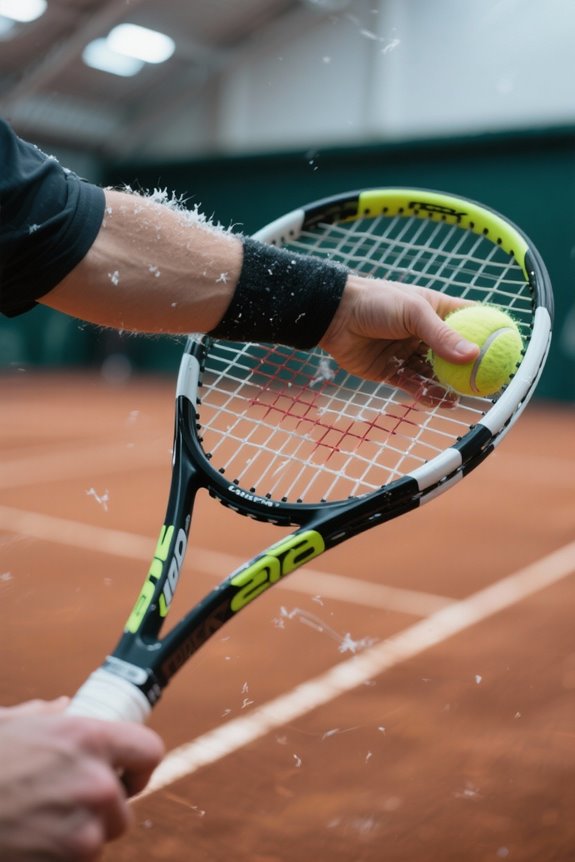
While players often focus on physical conditioning and skill development, the impact of temperature on tennis string dynamics can greatly influence match performance. Temperature effects considerably alter string tension, with high heat causing substantial tension loss. Conversely, cold conditions stiffen strings, reducing their elasticity and responsiveness. Material sensitivity plays an essential role; polyester strings maintain tension stability better than nylon or natural gut variations. Humidity influence further complicates durability issues, especially in humid environments. Effective performance adjustments may include tailoring string tension or materials according to current climate conditions. Implementing strategic maintenance strategies, such as periodic string checking, guarantees ideal conditions, maximizing playability and longevity, and adapting to temperature changes enhances overall game performance. Hybrid tennis strings, which combine materials like multifilament with co-polyester, offer players the ability to balance power, control, and comfort while adapting to varying environmental conditions.
Recommended Products

ULTIMATE SPIN: The Yonex PolyTour Rev 120 Tennis String is for baseliners with medium-to-fast swing speeds looking for a shaped string (8-sided) that grabs onto the ball for the ultimate spin experience.

CRAFTED FOR COMFORT: Feel how far polyester strings have come with the Yonex PolyTour Pro 125 Tennis String. Designed to be easy on the arm, yet tough on the competition, it is the most comfortable poly string ever created by Yonex. Their unique Thermo-Stretch Method allows strings to deliver comfort without compromising on power, durability, control, and spin.

Danner Vicious Durability: Experience the rugged performance of Danner Vicious Boots, purposefully designed for work-ready dependability. Crafted with full-grain leather and GORE-TEX for breathable comfort, these boots are built to last in any condition
Performance Variability in Different Temperature Conditions
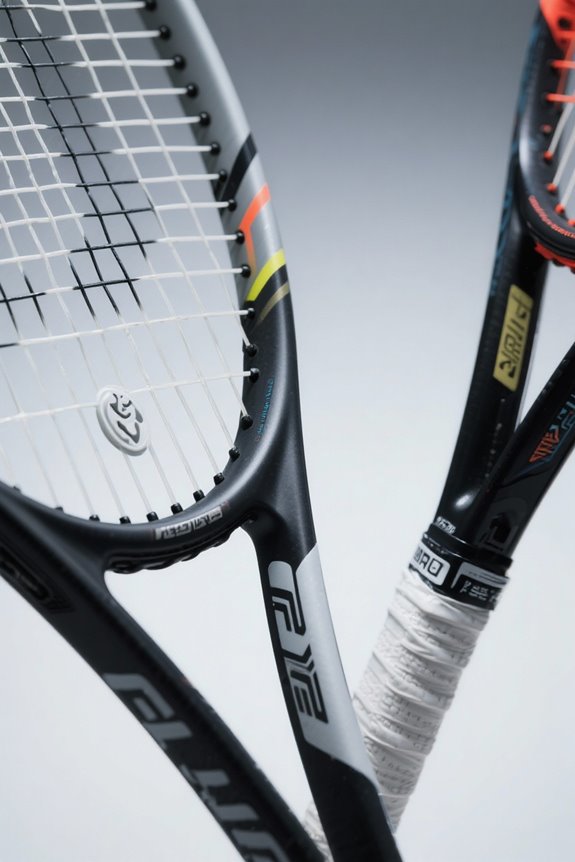
The effects of varying temperature conditions on performance in racquet sports are significant and multifaceted. Various studies show that serve success tends to increase with rising temperatures, benefiting players in competitive scenarios. When conditions heat up, the percentage of aces often improves, though double faults may also rise, indicating a precarious balance between aggressive play and maintaining accuracy. This variability promotes the need for strategic temperature adjustments during matches. Players experience greater thermal strain, leading to increased match durations in hot environments. Despite potential impacts on physical fatigue, core temperature rises do not worsen performance impairments excessively. Understanding these aspects can guide athletes in optimizing preparation and execution to enhance their game in different thermal conditions. Equipment choices, including lightweight tennis shoes, can help reduce fatigue during extended play in challenging temperature conditions.
Recommended Products

【Efficiency & Brightness】The parking lot light efficiency is up to 140lm/w which means 400W can output 60,000Lm,greater area coverage for outdoor area lighting needs. 5000K color temperature of lighting is a nice choice for street light illumination. LED area light CRI is over 80

Excellent Lighting & 5 Years Service - BBESTLED parking lot light efficiency is up to 140lm/w which means 240W can output 36,000Lm, 5000K daylight white, TYPEⅢ beam angle, Anti-shock, anti-moisture, no glare, no strobe light, no ghosting. While protecting your eyes, it also greater area coverage for outdoor area lighting needs. BBESTLED offer a 5-year service FREE replacement that covers any quality or defect issues

[ ETL Listed Industrial Quality ] ETL passed KUKUPPO 240W LED parking lot lights bring better quality, safety and reliability. Strong protection and durability through SMD3030 LED chips, heavy duty die-cast aluminum body, high level driver
The Relationship Between Ambient Temperature and Match Duration
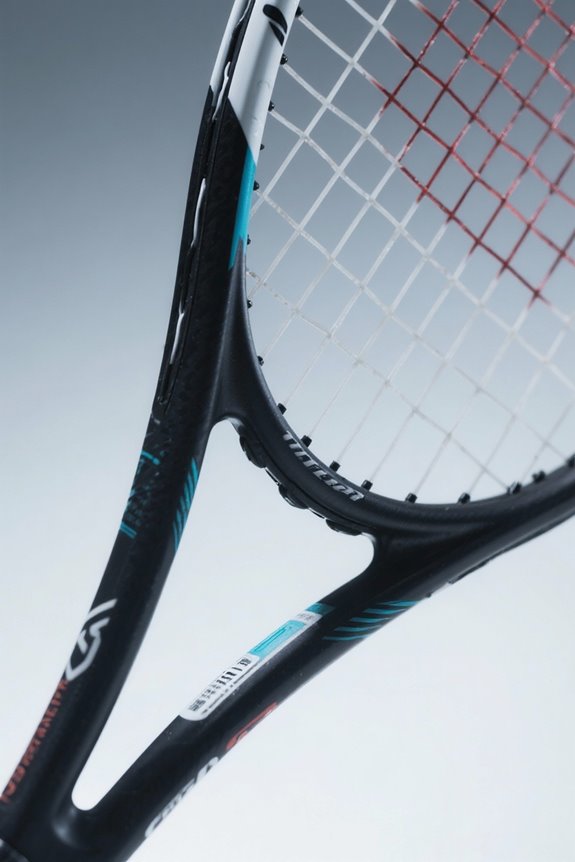
As players take to the court in varying temperature conditions, match duration can be especially impacted. Research shows that completing 20 minutes of effective play in hot conditions demands notably longer, averaging 119.2 minutes compared to 102.1 minutes in cooler environments. This extended duration is partly due to increased core temperatures and perceived exertion. Players often adapt their match pacing to manage heat stress, incorporating recovery strategies, such as more frequent breaks and hydration. These adjustments, while necessary for performance maintenance, can lead to longer rallies and extended match times. Curiously, despite longer matches, physical impairments remain similar across temperature conditions, highlighting the unique challenges posed by heat during competitive play. For outdoor racquet sports like pickleball, portable net systems with weather-resistant materials enable players to set up courts in various temperature conditions while maintaining equipment durability.
Effects of Pre-cooling Techniques on Performance
High temperatures can challenge athletes in racquet sports, prompting the exploration of various strategies to maintain performance. Pre-cooling methods, such as ice water immersion and cold vests, have shown notable performance improvement. Research indicates endurance performance can enhance by 19–31.9% with effective cooling strategies that lower core temperature before activity. Athlete perception also plays a key role; many report feeling less thermal stress after employing these techniques. Mixed techniques, combining internal cooling like ice slurry ingestion with external methods, often yield the best results. However, logistical considerations, such as availability and practicality of cooling methods, can impact their implementation. Consequently, athletes should strategically assess their options for peak performance under heat stress. Proper equipment choices, including breathable mesh uppers in tennis shoes, can further enhance comfort and temperature regulation during intense matches on hard courts.
Recommended Products

Revolutionary horizontal front zipper with internal bib

INNOVATIVE TECHNOLOGY – This cooling vest jacket with a built-in water circulation unit brings the highest quality breathing technology into a compact vest for better wearability and easy operation.
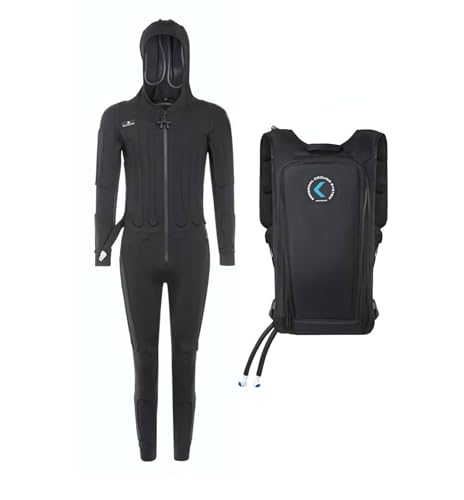
The 3.0-liter water/ice bladder, rechargeable battery and miniature pump within the backpack make this a self-contained and portable cooling system. Perfect for those hot jobs where freedom of movement is necessary.
Serve Performance Metrics Influenced by Temperature
Serve performance metrics in racquet sports can notably fluctuate due to temperature variations. Higher temperatures often enhance serve effectiveness, as evidenced by improved ace percentages and first serve win rates. However, this improvement comes with a caution: double faults considerably increase in warm conditions, particularly on clay surfaces. Changes in air resistance can influence serve speed as well, creating performance variability. Players need to adapt their strategies based on these environmental factors, as their responses might differ individually. The balance between increased speed and accuracy is vital. Understanding these dynamics will aid players in optimizing their performance during matches under varying temperature conditions while managing the challenges that come with heat. Professional players often rely on equipment with thermal protection to maintain paddle integrity and consistent performance across temperature fluctuations.
Heat Stress and Its Effects on Player Fatigue
Although many players endeavor to perform at their best regardless of the conditions, heat stress can present significant challenges to racquet sports participants. In high temperatures, physiological strain increases, impacting fatigue levels. Elevated core temperatures and heart rates, driven by increased blood flow needed for cooling, can hinder performance, even when hydration is proper. Sweat rates may escalate, risking fluid and electrolyte imbalances that elevate fatigue. Players must recognize the role of thermal comfort adjustments and implement effective heat acclimatization strategies to manage fatigue. The perception of high temperatures further compounds these issues, influencing decision-making and pacing. Ignoring these factors can lead to decreased on-court efficiency and increase the risk of injury, diminishing overall performance outcomes. Selecting footwear with breathable materials like engineered mesh uppers can help maintain thermal comfort and reduce heat buildup during extended play in hot conditions.
Strategies to Mitigate Heat Stress in Play
To effectively combat heat stress during racquet sports play, players must employ a range of strategies that enhance cooling and thermal management. Heat acclimatization strategies are essential; starting early with training in hot conditions can reduce environmental shock. Cooling gear recommendations include light-colored, breathable clothing that reflects heat and allows skin to breathe. Utilizing cold water sprays or immersions, as well as applying cold towels, can provide immediate temperature relief. Additionally, incorporating ice packs can target localized cooling. Regular breaks in the shade are important to limit heat exhaustion, while wearing visors or hats shields against direct sunlight. Modern tennis visors often feature moisture-wicking technology that promotes sweat evaporation while providing wide-brim sun protection to keep players cooler during outdoor matches. These proactive measures greatly improve comfort, performance, and safety on the court during hot conditions.
Recommended Products

Precision Perforation: Features laser-cut perforated sides and back for maximum breathability and lightweight airflow during activity.

**SIZING REMINDER**: Measure your head and refer to the size chart for the perfect fit. Structured for performance and fit: 6-panel cap with hard buckram delivers a structured feel and reliable shape that holds up during sports, work, or everyday wear.
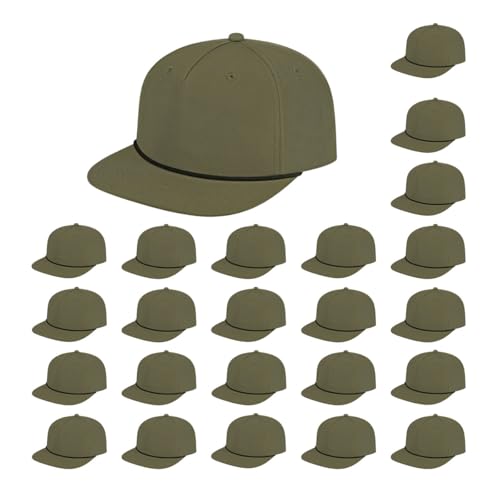
Classic Rope Detail: Features a timeless rope accent across the visor, blending vintage outdoor style with a modern, clean silhouette.
Hydration and Its Role in Temperature Management
Proper hydration plays a crucial role in maintaining performance during racquet sports, especially under challenging heat conditions. Dehydration can increase core body temperature and impair thermoregulation, greatly affecting performance. To combat this, effective hydration strategies should be employed. Athletes must consume fluids before, during, and after play. Aim to drink around 500-600 ml of water 2-3 hours beforehand and 200-300 ml closer to game time. Additionally, isotonic drinks are recommended for their electrolyte content, which aids in better temperature regulation. Fluid timing is essential; regular sipping rather than infrequent large quantities helps maintain ideal hydration. Wearing moisture-wicking fabrics can further support temperature management by drawing sweat away from the skin and promoting faster evaporation. By adhering to these practices, athletes can enhance their performance and reduce the risk of heat-related illness during intense matches.
Recommended Products

12 Pack | Rapid Energy Boost: With Vitalyte's Electrolyte Powder, you can quickly and easily recharge your batteries, leaving you feeling fresh and energized to tackle whatever the day throws your way.

You will receive (20) boxes for a total of 100 packets, each box contains 5 packets of Pocari Sweat Powder

Lucozade Sport is an isotonic sports drink
Long-term Adaptations to Temperature Variations in Athletes
Racquet sports performance is considerably influenced by temperature, making long-term adaptations to heat an essential consideration for athletes. The acclimatization duration typically ranges from 7 to 14 days of heat exposure. During this period, athletes can experience metabolic adaptations, such as increased glycogen stores, enhancing energy reserves during exertion. Additionally, improved psychological tolerance develops as athletes gain resilience against heat discomfort. These changes contribute to performance sustainability, allowing for better focus and persistence in challenging conditions. Re-acclimatization happens more quickly than the first exposure, further aiding athletes in maintaining their competitive edge. By harnessing these adaptations, racquet sports athletes can optimize their training effectiveness and enhance performance during high-temperature events, ensuring they stay at the top of their game. Beyond temperature adaptation, athletes should consider equipment modifications such as vibration dampeners that can reduce racket vibrations by up to 40% to enhance overall comfort and prevent injuries during extended play in challenging conditions.
Frequently Asked Questions
How Do Temperature Changes Affect Racquet Grip Performance?
Temperature changes considerably impact grip material properties, influencing performance consistency. Heat softens grips, enhancing tackiness but reducing durability, while cold makes them brittle, affecting comfort and control. These variations necessitate careful maintenance for ideal performance during play.
What Role Does Humidity Play in Temperature Impacts During Matches?
Humidity acts like a damp sponge, absorbing essential energy during matches. It introduces performance variability, diminishing players’ effectiveness through moisture effects, altering ball dynamics, and impacting grip, ultimately complicating temperature-related challenges faced on the court.
Can Individuals Acclimate to Playing in Extreme Temperatures?
Individuals can acclimate to extreme temperatures through effective heat acclimatization strategies. Performance adaptation methods, including progressive exposure and hydration techniques, enhance heat tolerance, improving endurance and reducing physiological strain during intense physical activity in challenging environments.
How Does Temperature Affect Audience Comfort During Matches?
Higher temperatures negatively impact audience comfort, leading to decreased audience engagement and diminished match enjoyment. Spectators often leave early or seek shade, disrupting their experience and reducing overall enthusiasm for the event.
Are There Specific Temperature Thresholds for Player Safety?
Yes, specific temperature thresholds exist to guarantee player safety. Exceeding these limits may lead to heat exhaustion, considerably increasing the risk of performance drop and necessitating immediate intervention to prevent serious health implications.